Precision NBR Metal Bonded Seal

- YiDa
- Dalian,China
- 15-20 days
- 2 billion/year
1. With the metal-bonded rubber seal, the combination of a rigid positioning and an elastic sealing allows it to withstand stably hydraulic pressure surges of 25–40 MPa.
2. We keep product tolerances under strict control; the size and thickness can be made to the specifications in order to guarantee the absence of misalignment during assembly.
3. NBR is a great accommodation for resistance to oil; a compression set of 15%–25% is capable of ensuring the sealing performance in the long term, and at the same time, the material affords superior wear resistance and high durability operating under start-stop cycles.
Seals tend to debond and deform under high-pressure and high-frequency operating conditions which cause oil leaks, equipment shutdowns and high maintenance costs.
Meanwhile, we use a combined hot-press vulcanization molding technique, which chemically binds rubber to metal, thus minimizing the possibility of debonding. The stiff metal structure constrains the movement and restricts the rubber from over-deforming; this guarantees the long-term stability, consistent compression of the assembly, and accurate positioning. The seal is reliable even when subjected to shock loads of 25–40 MPa, leading to the decrease of maintenance intervals.
Introduction to Metal-Bonded Rubber Seals:
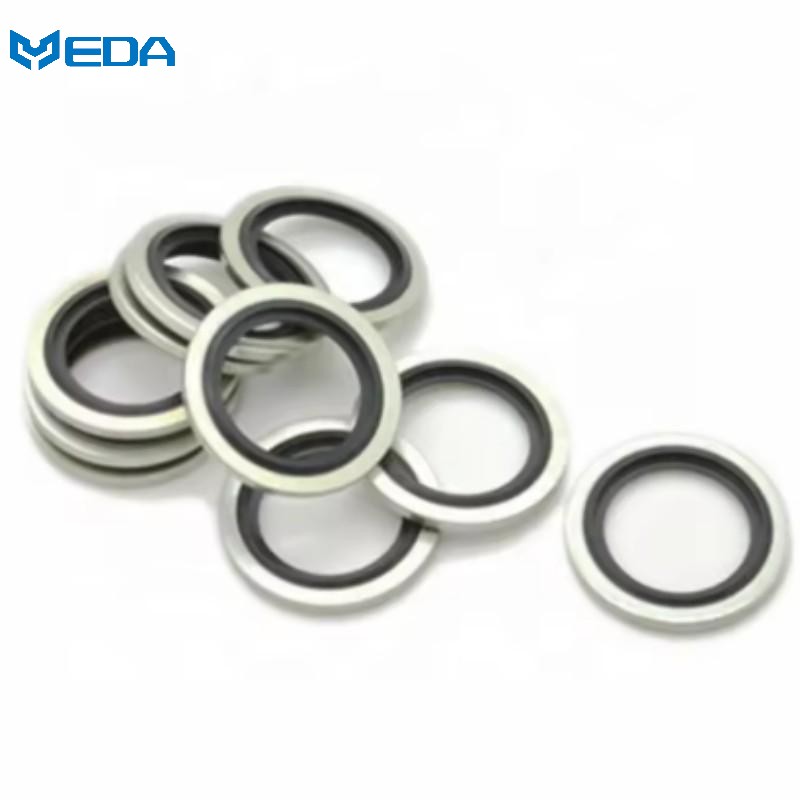
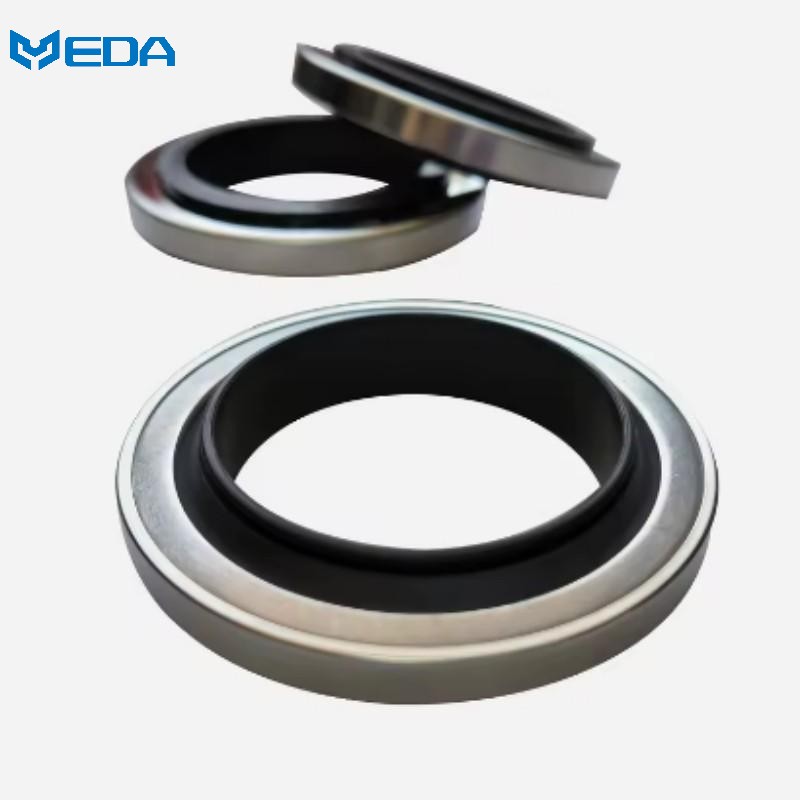
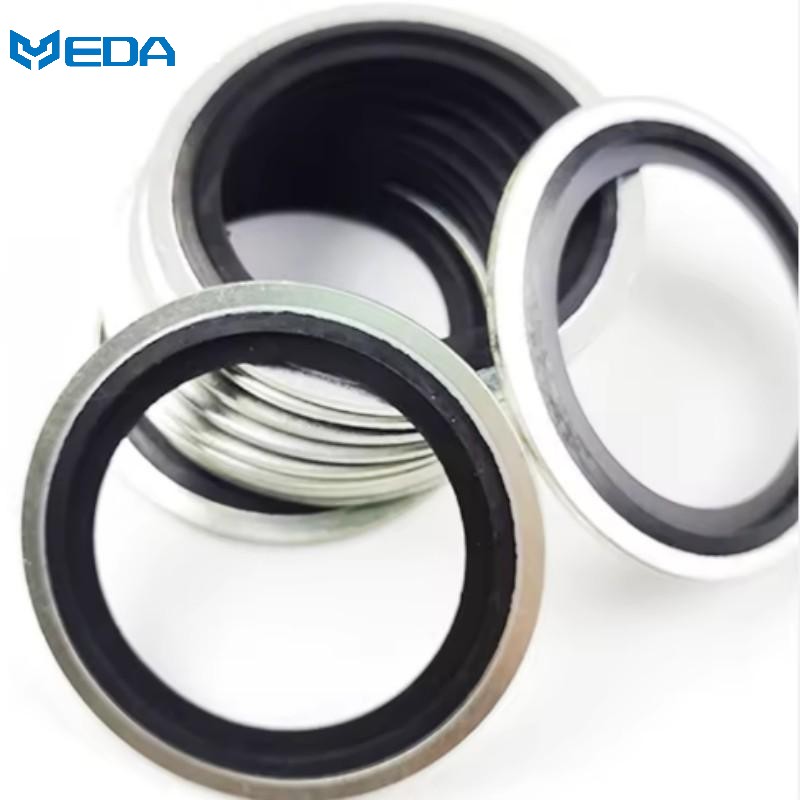
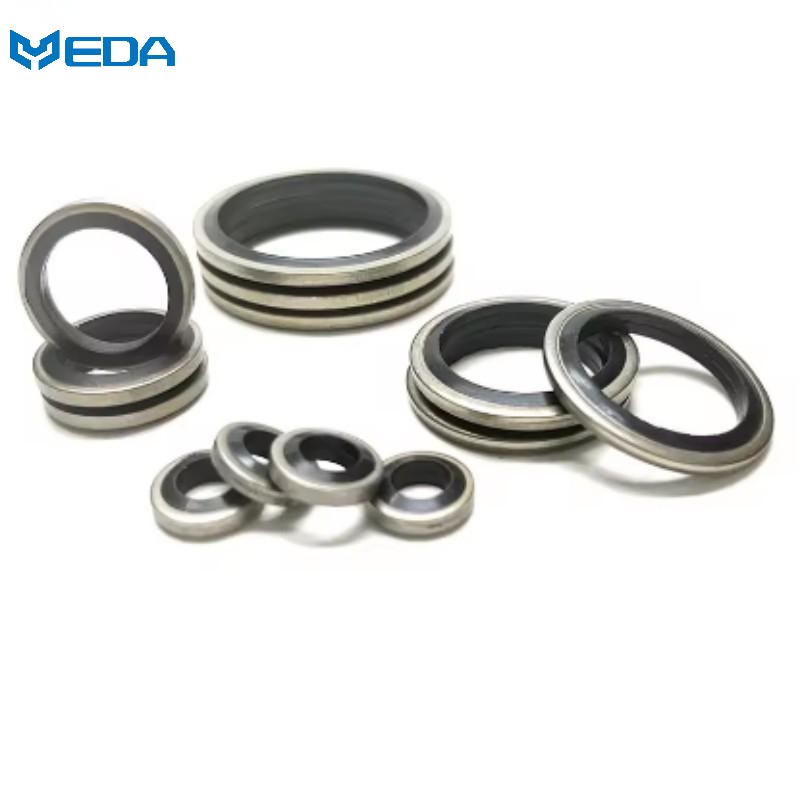
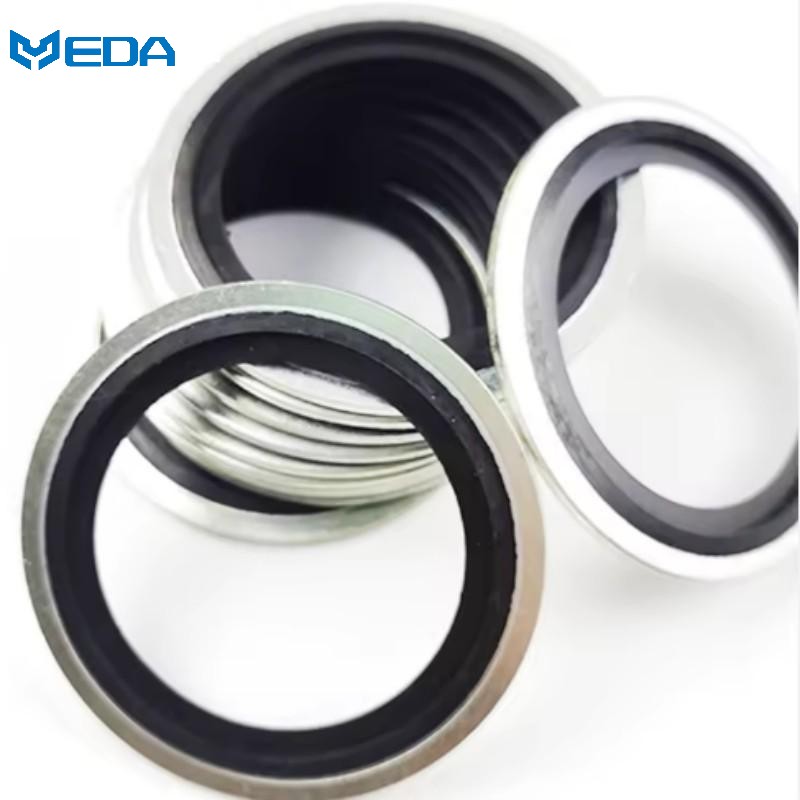
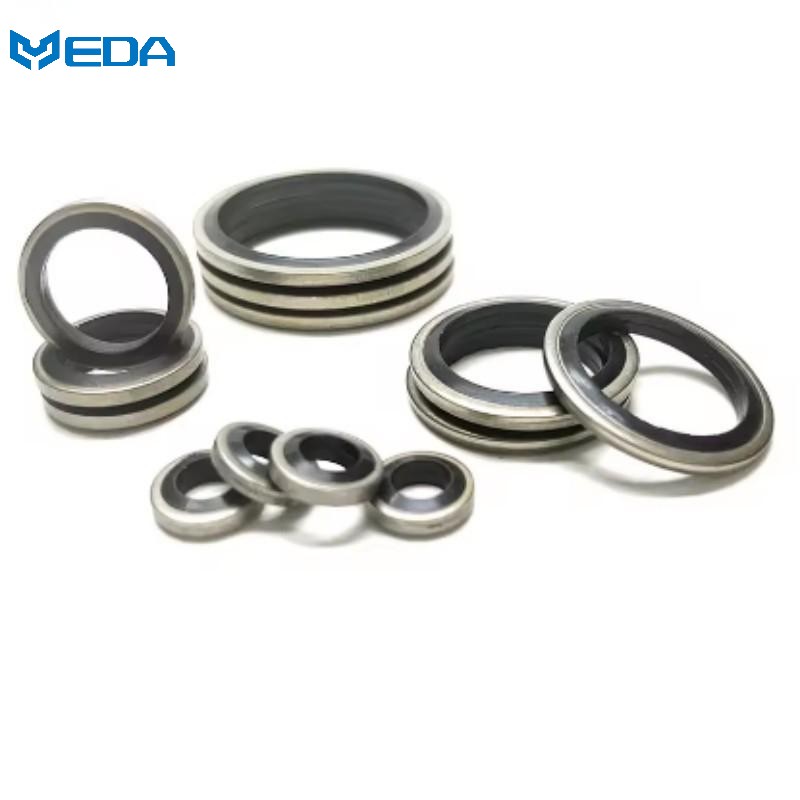
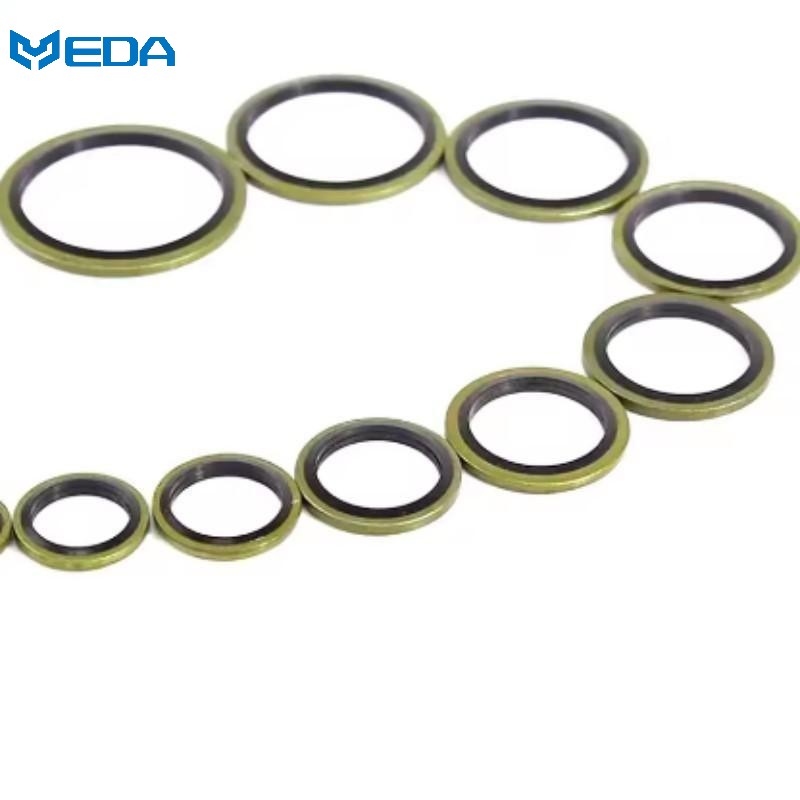
Metal-bonded rubber seals are created by firmly bonding the Nitrile Rubber (NBR) directly to a metal surface through high-temperature vulcanization. These seals not only possess strong bonding capacity and accurate dimensional measurements but also integrate the firm positioning of metal with the flexible sealing attributes of rubber. Such metal-bonded rubber seals are perfect for sealing the interfaces that are either stationary or moving parts of high-precision equipment. Furthermore, these seals present outstanding resistance to oil and leaks, along with stability and durability.
Specifications for NBR Metal-Bonded Rubber Seals:
| Item | Specification |
| Rubber Material | High-Precision NBR (Nitrile Butadiene Rubber) |
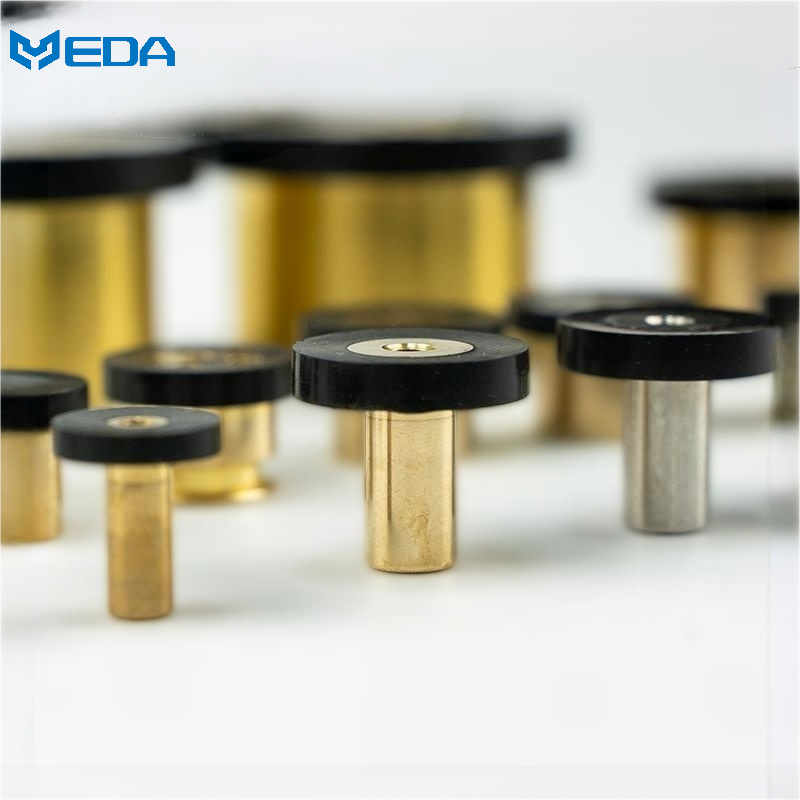
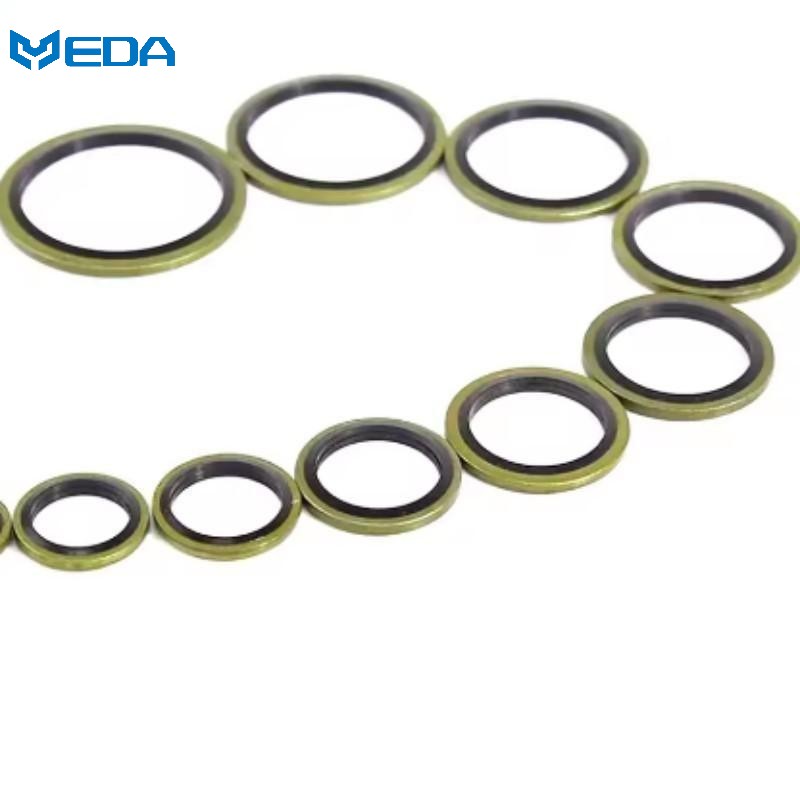
| Metal Substrate | Cold Rolled Steel, Galvanized Steel, Stainless Steel, Copper (Customizable) |
| Core Process | Hot Compression Vulcanization Bonding Technology for Strong Rubber-to-Metal Adhesion |
| Hardness | Shore A 60–90 |
| Temperature Range | -35℃ to 120℃ |
| Bonding Strength | ≥6 N/mm |
| Salt Spray Resistance | 96 Hours |
| Ozone Resistance | General; Long-Term Exposure to Ozone Is Not Recommended |
| Dynamic Sealing Application | Applications: Static Sealing and Semi-Dynamic Sealing; Not Recommended for Continuous Rotary Sealing |
| Thickness | 1.0 mm–5.0 mm (Customizable) |
| Hole Diameter | 4 mm–60 mm (Customized According to Drawings) |
| Tolerance | ±0.02 mm (Critical Dimensions, Depending on Product Design) |
| Pressure Rating | 25 MPa–40 MPa (Depending on Design) |
| Compression Set | 15%–25% |
| Elongation | 200%–500% (Standard Materials) |
| Applicable Media | Petroleum, Diesel, Fuel Oil, Mineral Oil, Transformer Oil, Hydraulic Oil, Water, Non-Corrosive Fluids (Room Temperature Water, Antifreeze, Neutral Saline Solution), Gases (Oil-Free Compressed Air, Natural Gas), etc. |
| Structure | Single-Side Rubber Coating, Double-Side Rubber Coating, Partial Rubber Coating, Customized Integrated Special-Shaped Structure |
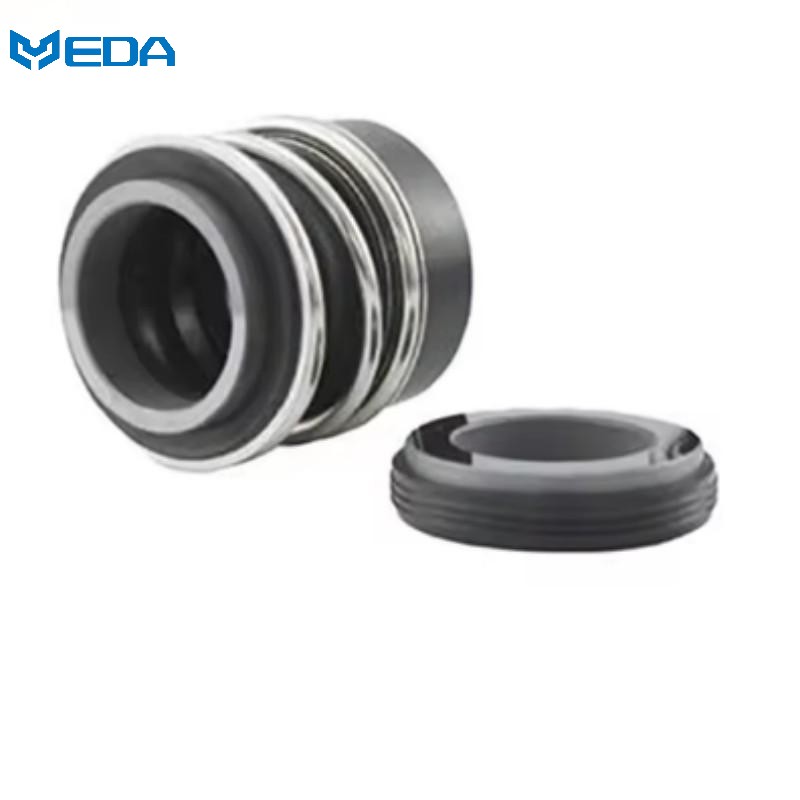
| Common Types | Rubber-Metal Bonded Gaskets, Bonded Sealing Washers, Motor Metal Sealing Plates, Oil Pump & Valve Seals, Sensor Sealing Bases, Precision Equipment Positioning Sealing Components, Customized Rubber-Bonded Metal Seals |
Advantages of NBR Hydraulic Bonded Seals:
1. Strong bonding; resistant to pressure and impact.
We use an integrated hot-press vulcanization process to manufacture our NBR metal-bonded rubber seals, which is a very effective method of bonding the rubber and metal together, resulting in a considerably lowered risk of delamination. Besides offering structural support, the metal frame controls compression and acts as a stop, thus avoiding the rubber from excessively deforming; these seals are able to stably resist hydraulic pressure shocks of 25–40 MPa and their correct operation has been documented over a temperature range of -35°C to 120°C.
2. High precision; no misalignment during assembly.
We keep dimensional tolerances from ±0.02 mm (depending on the product structure) and are capable of delivering superb flatness. The seals are thus very suitable for precision equipment that requires tight-clearance sealing. Thickness and aperture size can be changed significantly (made to drawings), resulting in a very close and accurate fit with no distortion. As a result, compression is even and controllable.
3. Long-lasting sealing performance; fatigue and wear-resistant.
These seals are fabricated using very oil-compatible nitrile rubber (available in Shore A hardness ratings of 60-90) that ensures the successful blocking of leakage of media like hydraulic fluid and engine oil. Their compression set is 15%-25%, and their elongation at break is 200%-500%. Besides these, they deliver excellent resistance to aging and wear or tear even when exposed to cyclic start-stop conditions. So also, they are the type of seals that last for a long time.
Application Scenarios for Bonded Seals:
1. Precision hydraulic components and pneumatic-hydraulic control systems:
The NBR hydraulic bonded seals can handle pressures ranging from 25 to 40 MPa. Thanks to the outstanding oil-sealing characteristics of NBR (nitrile rubber), the seals are capable of effectively blocking fluid leakage in highly critical parts like hydraulic cylinders, oil pumps, and valves. Also, the metal frame offers secure positioning and acts as a compression stop. This guarantees stable system pressure and highly accurate operation.
2. Automotive engine components and industrial precision transmission parts:
Due to their capability to work in a wide temperature range (-35°C to 120°C) along with their long-term, stable performance, bonded seals have the property of absorbing the vibrations and preventing the entry of oil and water in the start/stop type cycles of engine peripherals, electric motors and automated instrumentation that have been a cause for more frequent equipment maintenance
About Us:
Production Scale and Delivery Capabilities.
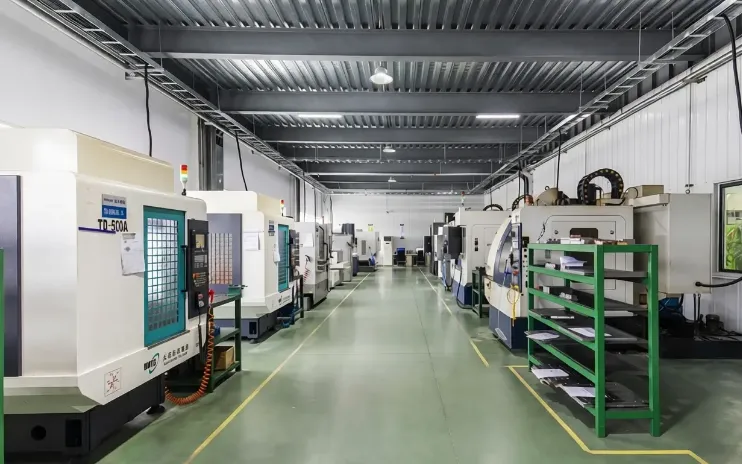
Yida Rubber was founded back in 2006. It is a factory for making rubber products through the years of its development, it has gained the experience of more than 20 years in the industry. We have a well-equipped production plant with an area of 37,000 square meters and a professional team of 450 employees, capable of manufacturing molded products and extruded profiles.
Driven by two decades of consistent growth, our factory is capable of producing more than 2 billion units annually, which means that we are well-equipped to execute even the largest and most diverse orders. In terms of delivery performance, we can for instance have regular orders packed and ready to go within 15 days after dimensions have been finalized; also, we can accommodate our client's multiple delivery needs at different levels of transport modes such as road, ocean, and air freight.
International Certifications and Global Market Recognition.
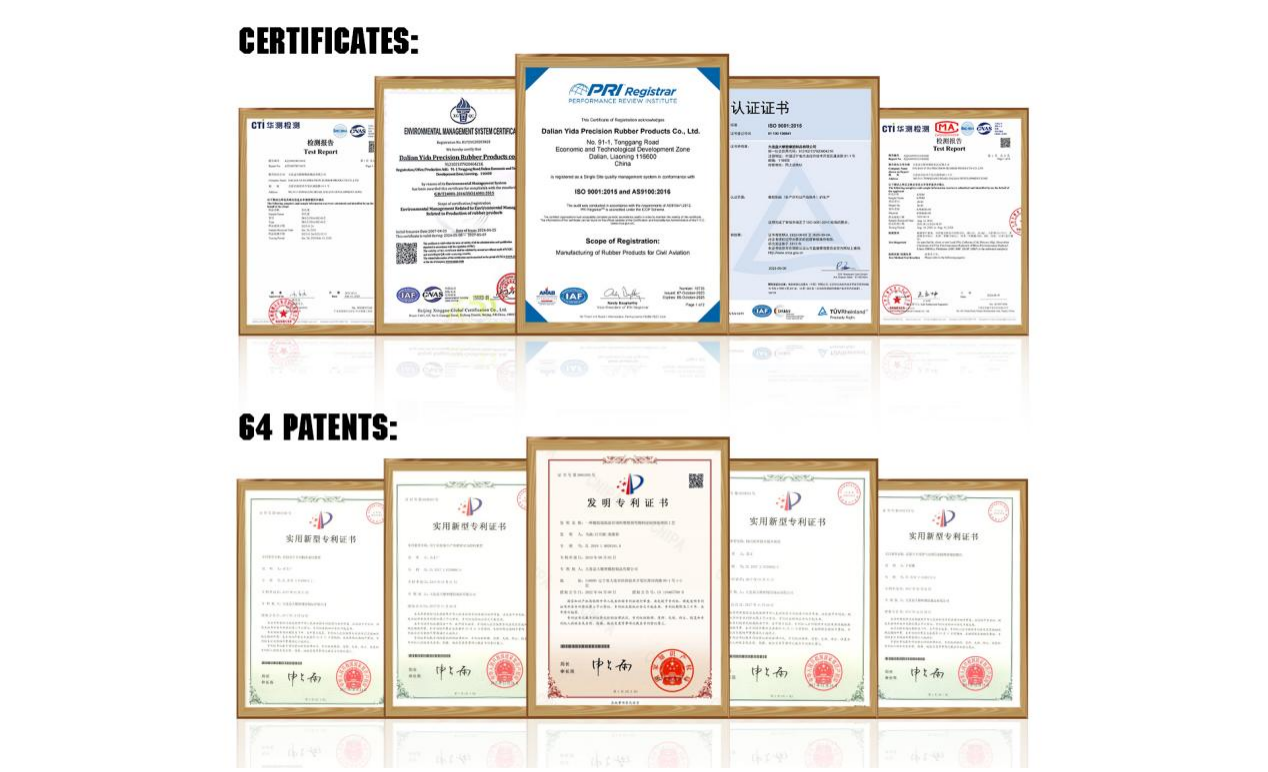
Currently, we hold ISO 9001:2015, ISO 14001:2015, and IATF 16949:2016 certifications, along with CNAS laboratory accreditation. We have set a complete quality control system that covers the entire chain from raw materials to finished products, and we have more than 1,000 different material formulations.
We are capable of supplying rubber compounds compliant with FDA standards or UL-recognized material grades and at the same time, meeting international environmental and safety regulations like EN549, RoHS 2.0, and REACH. Our products have been widely exported to America, Japan, Switzerland, South Africa, Saudi Arabia, as well as various countries and regions in Southeast Asia and Europe. Our service network extends to the main markets worldwide.
Endorsements from Industry-Leading Clients and a Commitment to Long-Term Service.
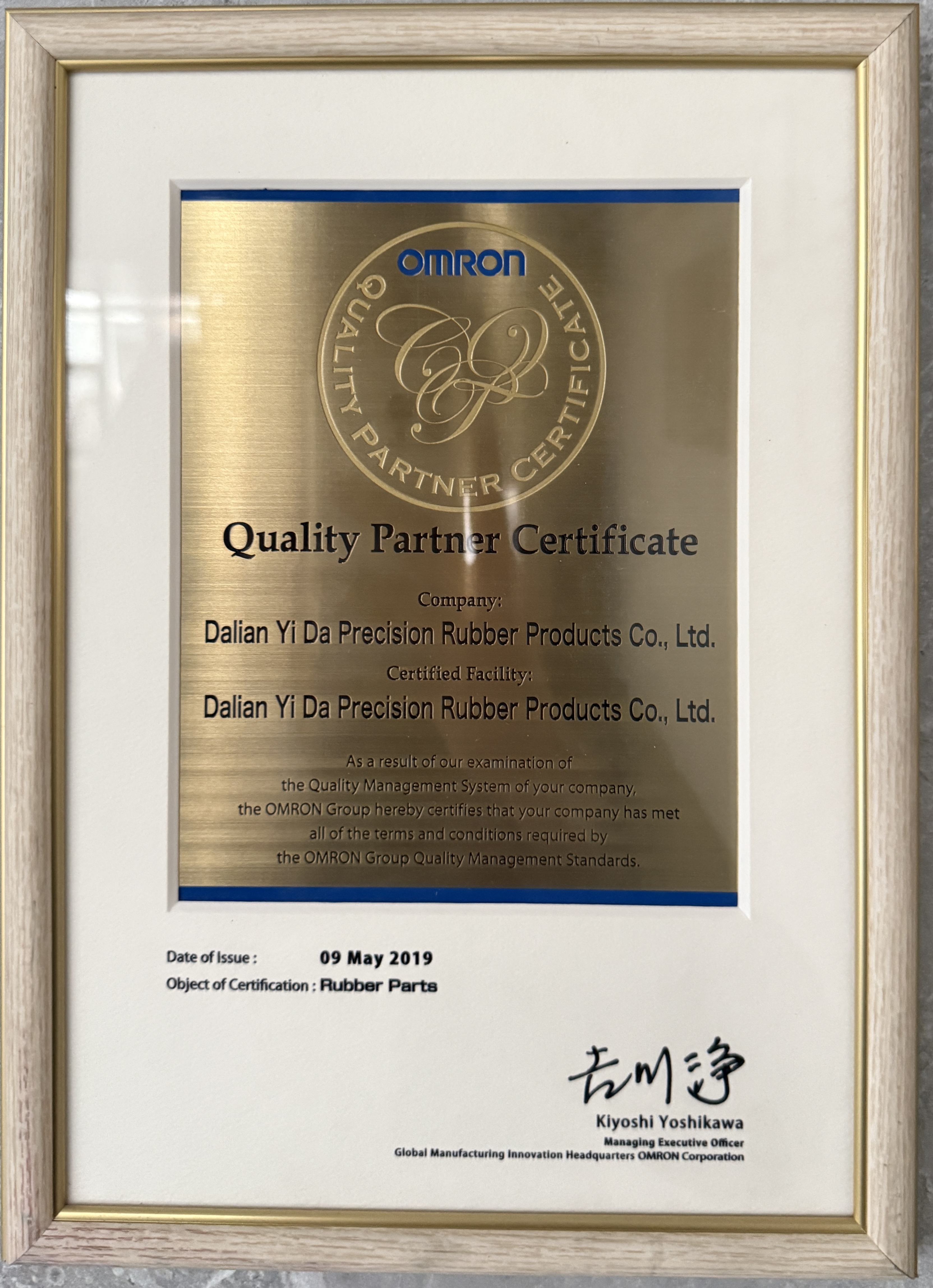
Our international customers include the world-famous brands like SMC, Omron, Siemens, and ALPINE. Among our honors are "Excellent Supplier 2023" by SMC as well as "Global Strategic Partner" certification by Omron—both these awards reflecting the industry recognition of our firm. As for the cooperation model, we provide free samples (customers pay shipping) and only require a minimum order of 1,000 pieces; larger orders can benefit from volume discounts, thus reducing both the trial and error and procurement costs of our clients.
International Exhibitions Drive Corporate Progress.
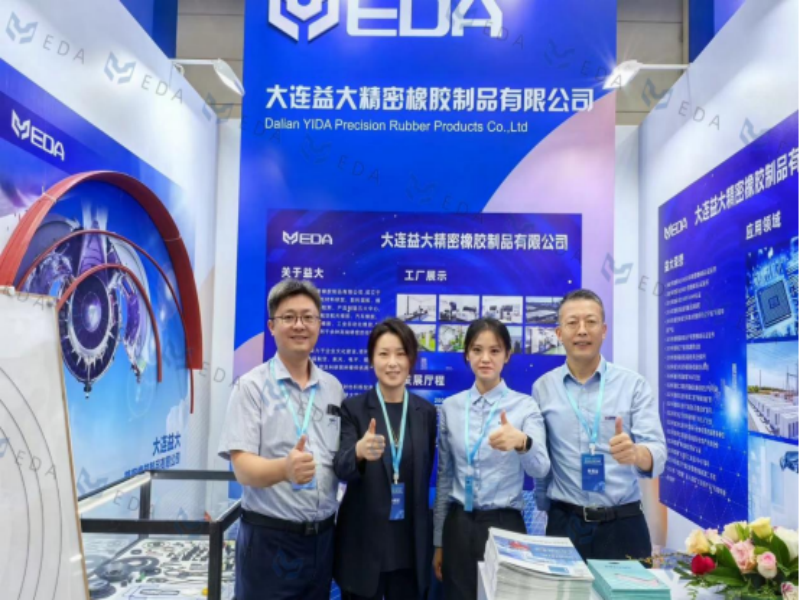
In May 2025, we took part in the 27th Dalian International Industrial Expo. Exhibiting our abilities at this major industrial event Northeastern Asia, Yida Rubber not only made connections with main local industries but also grew our pool of foreign clients. Our presentation basically showed how we play an important role in the production of secure supply chains through the use of smart digital manufacturing and by providing empowerment to the sectors of high-end equipment.
FAQ:
1. How do hydraulic bonded seals prevent the rubber from extruding or sustaining damage under high pressure?
These hydraulic bonded seals have a metal frame that is quite sturdy and works as a mechanical stop; this is the point where the rubber is supported and, simultaneously, its deformation is restricted under pressure. As a result, the rubber is not extruded/damaged due to over compression.
2. Can the bond between the metal substrate and the rubber withstand frequent temperature fluctuations?
Yes, we perform an integrated hot-press vulcanization procedure to chemically vulcanize and bond the rubber to the metal. This produces such a strong bond that the seal can easily resist temperature cycling in a very wide range of -35°C to 120°C without delamination due to thermal expansion or contraction.
3. Do you offer customization for non-standard dimensions or complex, irregular shapes?
Yes. We provide options for thickness and aperture sizes, and allow for different configurations, e.g. single- or double-sided rubber coating, partial encapsulation, and bonded integrated components that have irregular shapes to be able to meet your specific design needs flexibly.