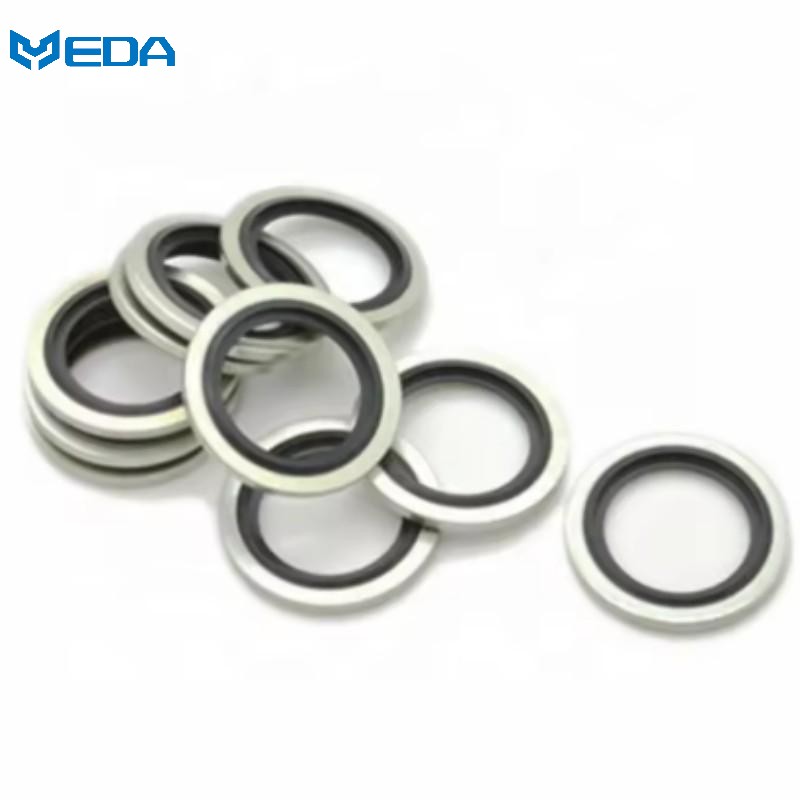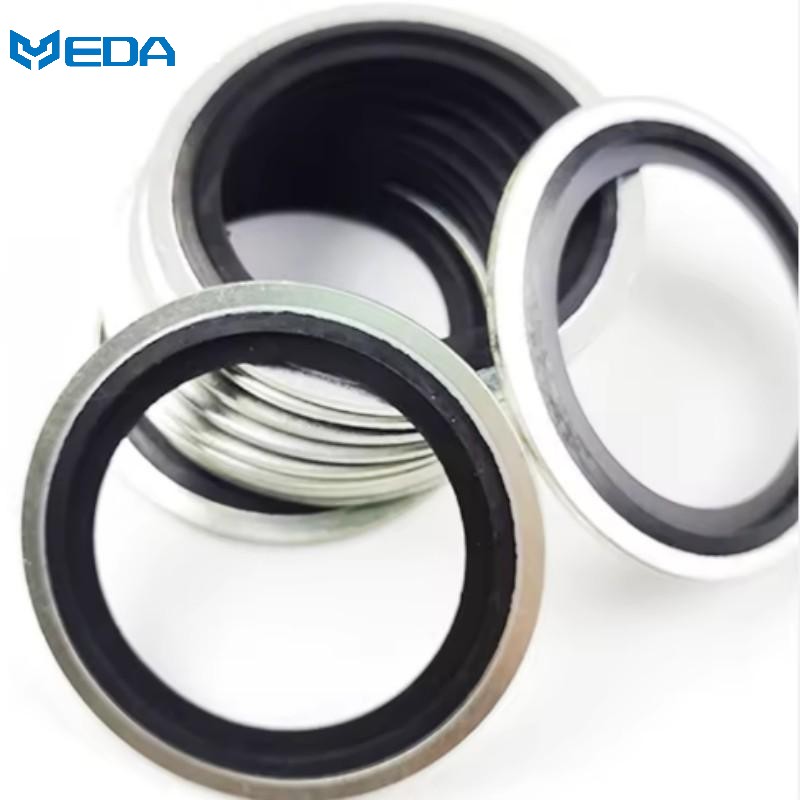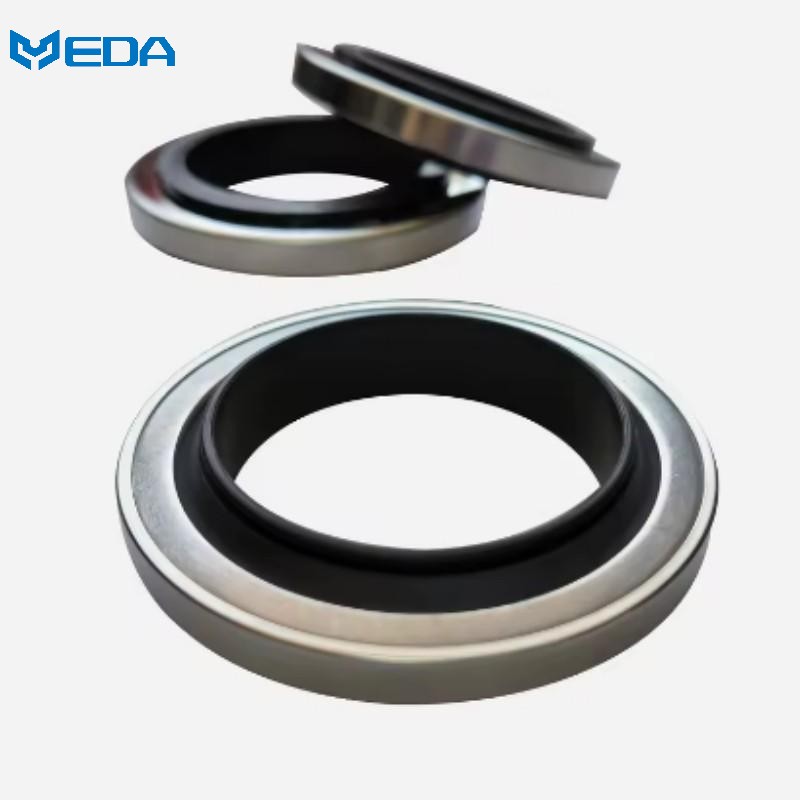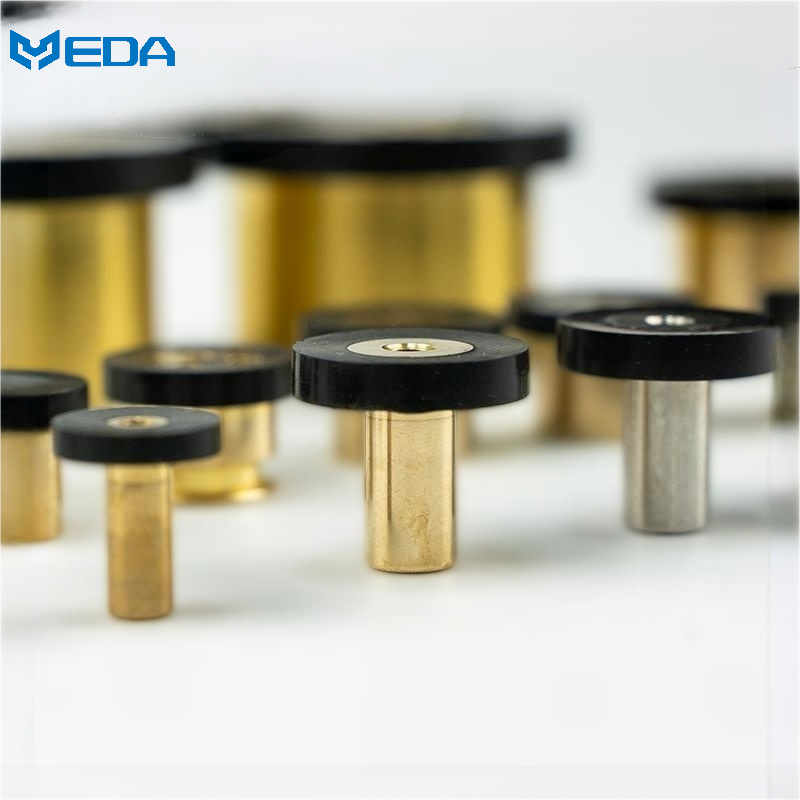
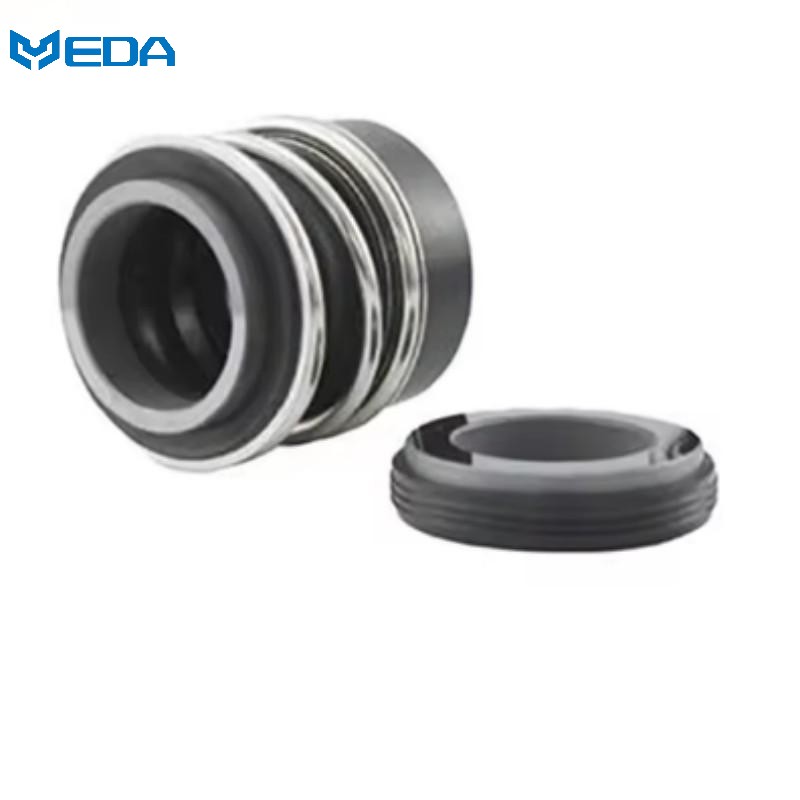
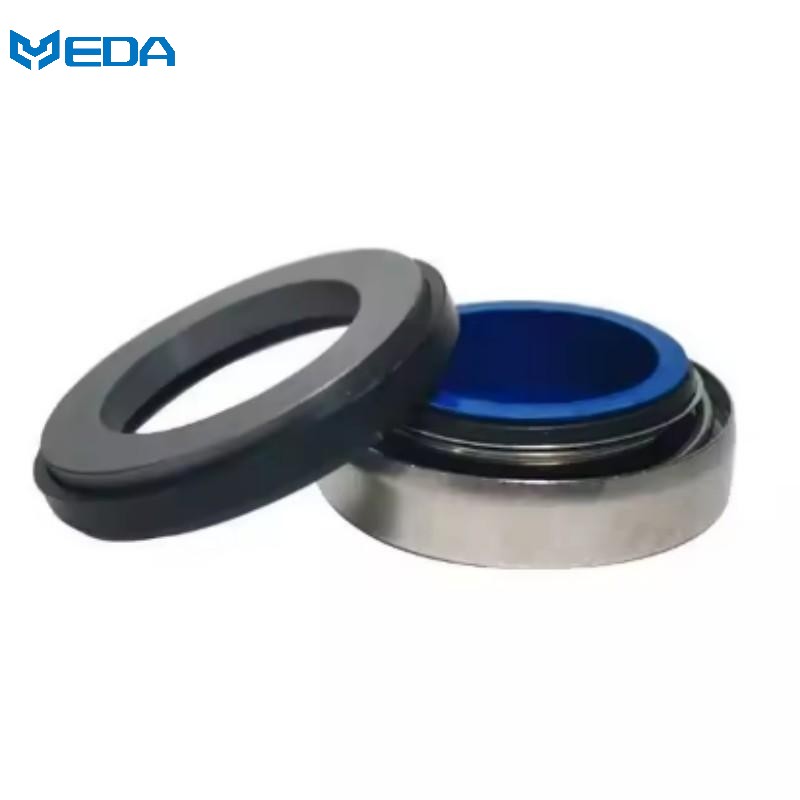
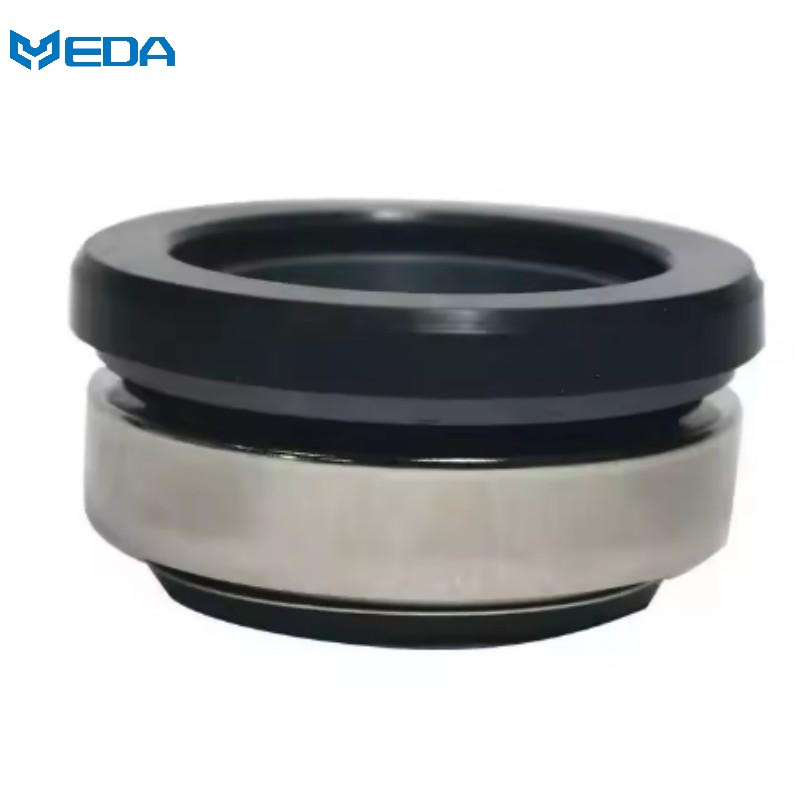
Metal Insert Rubber Seal

- YiDa
- Dalian,China
- 15-20 days
- 2 billion/year
1. Metal inserts are attached to the rubber by a vulcanization process using high temperature; the metal framework not only supports the precise positioning but also helps to prevent misalignment or deformation.
2. Depending on the type of medium, materials such as NBR, EPDM, FKM and silicone can be chosen to ensure compatibility with oil, water, steam and some chemical agents.
3. Our rubber to metal bonded seals offer a single piece layout that helps to reduce installation errors (like improper or missed placement) and also improves the speed of assembly.
Heavy-duty applications that are subject to vibration and thermal cycling like automotive powertrains, hydraulic systems rely mainly on traditional all-rubber seals, which are typical cases of aging, cracking, and leakage due to extrusion deformation, twisting, or chemical degradation. These problems lead to after-sales repairs and replacement costs.
Solution:
Our metal insert rubber seals are designed with a metal insert that serves as a rigid framework. This metal insert ensures assembly positioning with high precision and also controls the amount of rubber compression so that it is not excessive. At the same time, the rubber layer on the outside keeps sealing tightly to the mating surface; the rubber component is able to maintain its elasticity and sealing ability over a broad temperature range (-40°C to 220°C) and also in the presence of substances such as oil, water, gas, and mild acids or alkalis. Having a metal-to-rubber bond strength of 3.0–8.0 N/mm, these seals have been proven to work in situations where continuous vibration occurs, such as automotive hydraulic valve bodies, pump and valve assemblies, and construction machinery.
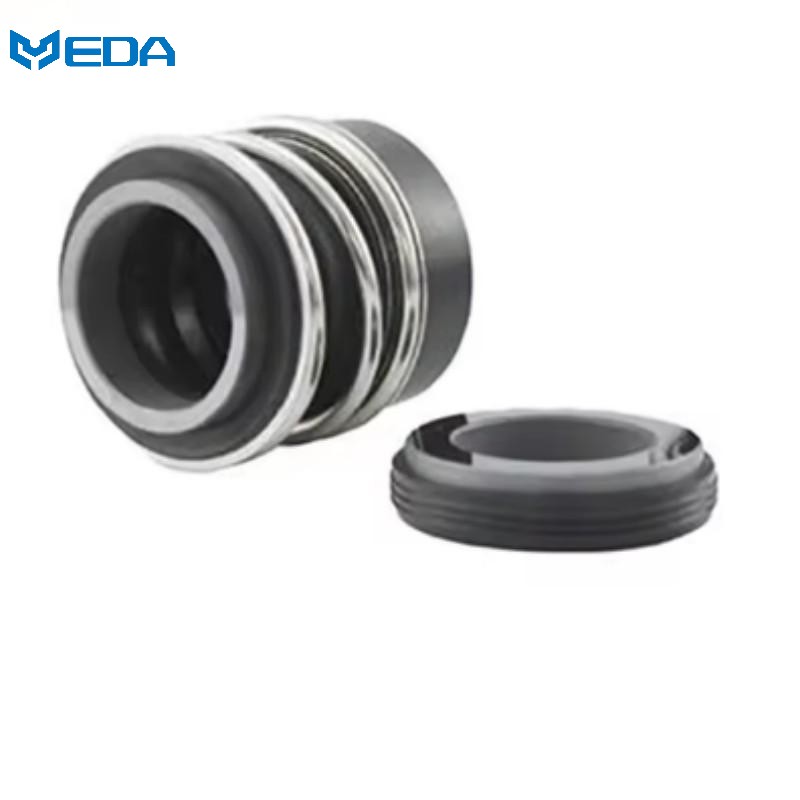
Introduction to Metal Insert Rubber Seals:
Rubber metal bonded seals are produced by a molded vulcanization process where a metal insert is encapsulated within the rubber, resulting in an inseparable, integrated unit. The metal part serves to accurately locate the seal, determine loadbearing limits and resist deforming, whereas the rubber is responsible for sealing and cushioning. Due to their firm structure and allowing for accurate assembly, these are highly engineered composite sealing elements for precision equipment.
They possess the following key specifications:
| Parameter | Specification |
| Material | Rubber Matrix: NBR, EPDM, FKM/Viton, VMQ/Silicone. Customizable. Embedded Metal Insert: Cold-rolled Steel, Galvanized Steel, Stainless Steel, Copper Alloy |
| Temperature Range | -40℃ ~ 220℃. Dependent on rubber material |
| Hardness (Rubber Part) | Shore A 60-80. Dependent on rubber material |
| Insert Shape | Disc, Sleeve/Bushing, Nut, Positioning Pillar, Custom-shaped Retaining Insert. Fully customizable |
| Thickness | Standard 2mm – 15mm. Non-standard customization available |
| Overall Dimensions | Fully customizable |
| Insert Configuration | Single-sided embedment, Double-sided embedment, Multi-point inserts, etc. |
| Dimensional Tolerance | Manufacturable per drawing requirements |
| Working Pressure | 0.05 MPa – 2.0 MPa |
| Metal-Rubber Bond Strength | 3.0 N/mm – 8.0 N/mm |
| Common Styles | Inserted Nut Rubber Gasket, Metal Bushing Rubber Seal Ring, Sealing Washer with Positioning Iron Ring, Custom-shaped Insert Seal Assembly, Valve Seat Insert Seal, Motor Damping Sealing Pad, Sensor Fixing Seal |
| Production Process | The surface of metal inserts is sandblasted and coated with adhesive before placing in mold and vulcanizing with rubber by heating and pressing. |
| Applicable Media | Oils & Hydrocarbons: Hydraulic oil, Engine oil, Grease, Gasoline, etc.; Water & Coolants: Industrial water, Drinking water, Antifreeze, Coolant, etc.; Weak acids, alkalis and salt solutions; Gases and steam. Dependent on specific rubber grade |
| Applicable Standards | IATF 16949, AS9100D, ISO 14001, ISO 9001, RoHS 2.0, NSF/ANSI, WRAS, UL |
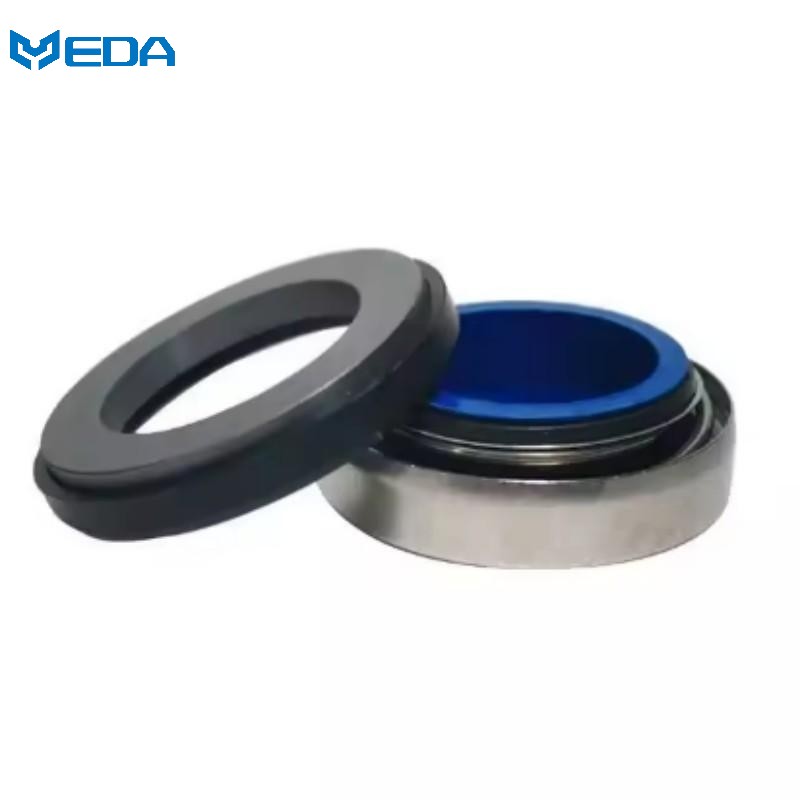
What Are the Advantages of Rubber Metal Bonded Seals?
1. Rigid-flexible composite design: precise positioning and shape retention.
The main characteristic of our metal insert rubber seals is that they comprise a metal frame that is vulcanized straight into the rubber. The metal element serves as a firm core, providing accurate placement that does not get displaced while assembling. Moreover, it bears pressure loads such that the rubber does not become compressed to the point of collapse or bulging due to excessive compression. This combination of stiffness and elasticity keeps the structure steady within the range of ±0.02 mm (depending on size), which corresponds to precision assembly demands.
2. Versatile fit, stable sealing, and media resistance.
The surface of the outer rubber layer on our rubber metal bonded seals is so flexible and closely packed that it can effectively block water, dust, and leaks. Depending on the material, they can be resistant to various media such as oils, moisture, and mild acids or alkalis, and their operating temperature range is from -40°C to 220°C. The seal's longevity is guaranteed by stable sealing as a result of controlled compression which prevents failure due to fragmentation.
3. Integrated, vibration-resistant design for long service life in heavy-duty applications.
Metal parts are sandblasted and the surfaces are pretreated with an adhesive before they are joined to the rubber by vulcanization at a high temperature. After this, a very firm and compact bond is formed that is 3.0-8.0 N/mm strong. A properly made bond under normal work conditions will not only be stable and withstand tensile and torsional forces but also have a longer service life - hence they are very suitable for construction machinery, automobiles, and the like.
4. Pre-molded, assembly-free design boosts efficiency, cuts costs, and ensures quality.
The integration of metal-rubber molding does away with the manual assembling work, which will in turn lead to less assembly time and labor costs. Besides, it stops mistakes on the site, e.g., wrong orientation or components that are missed, so it can make the production more uniform and raise the pass rate. As for customization, you can pick between a single-sided, double-sided, or multipoint insert layout to suit your varied installation needs.
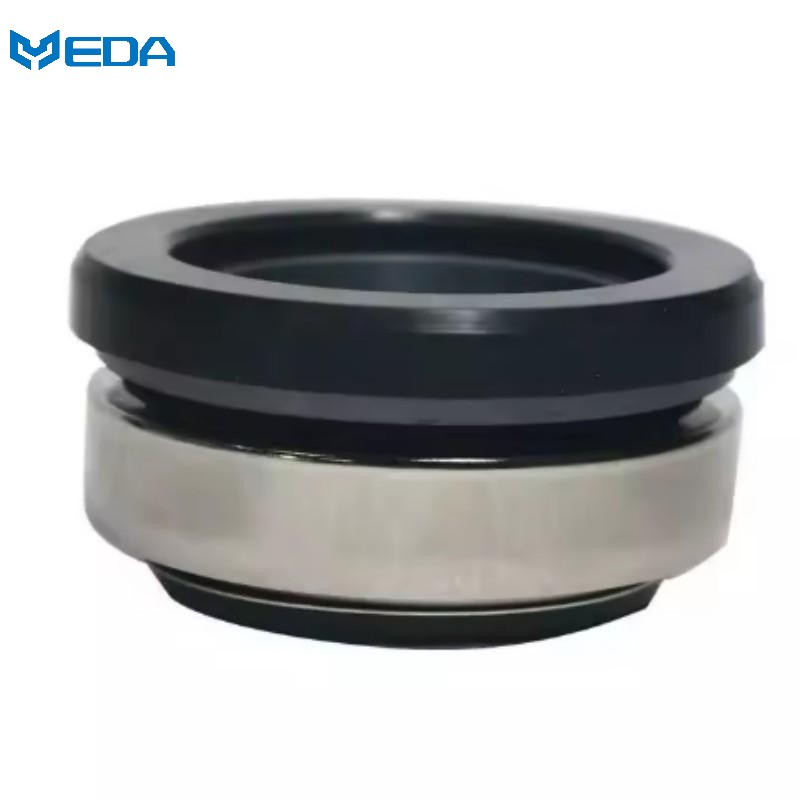
Given These Characteristics, In Which Fields Are Metal Rubber Seals Applied?
These products can be perfectly applied to respective sealing & precision applications such as automotive powertrain and chassis systems (engines, transmissions), hydraulic and pneumatic components (cylinder end caps, valve spool positioning), precision instruments (sensors), valves, and water pumps. Metal rubber seals leverage the precise positioning enabled by metal inserts and the flexible compensation of the rubber layer to solve problems such as assembly misalignment, uncontrolled compression, and loosening due to vibration in sectors including home appliances, automation equipment, new energy components, construction machinery, and industrial control electronics.
About Us:
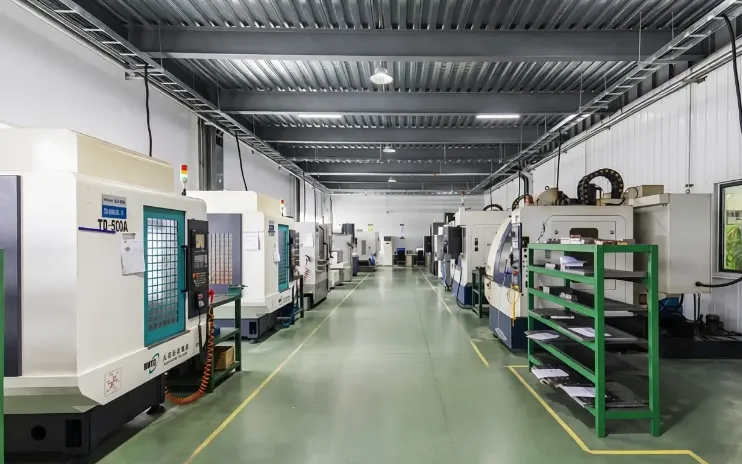
We Possess Large-Scale Production Capabilities.
We made our entry into the rubber industry in 1993, and our company was officially set up in 2006. Leveraging our extensive experience of more than 30 years, we took a leap with a state-of-the-art factory area measuring 37,000 square meters and with a very skilled workforce of 450 members. Also, we have set up branches in Vietnam and Japan and have managed to reach annual total production capacity of over 2 billion units along with monthly processing capacity of rubber materials going beyond 300 tons.
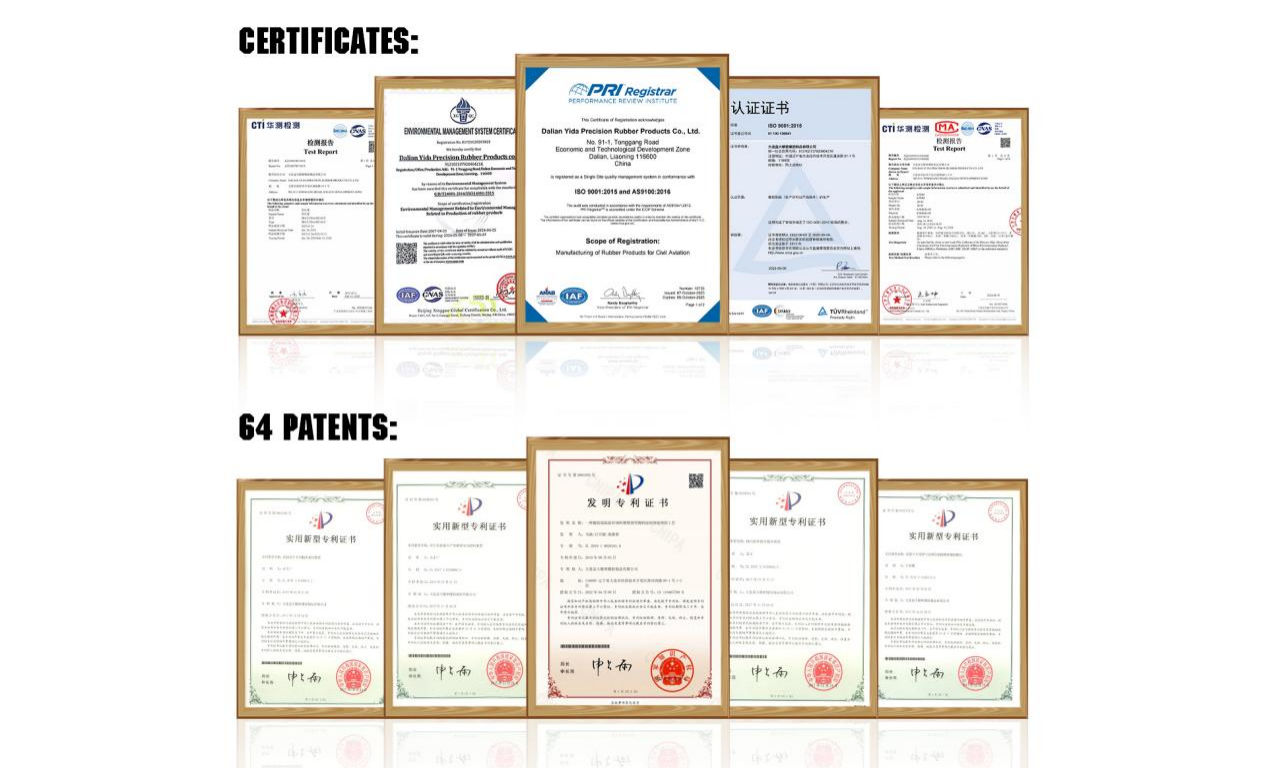
We Hold Multiple Industry Certifications.
We rely on certifications of international quality systems like ISO 9001 and IATF 16949, together with CNAS laboratory accreditation, to offer rubber formulations that comply with UL and FDA standards, thereby ensuring quality control at the level of the international community.
We Operate in a Global Market, Ensuring Reliable Service for Our Customers.
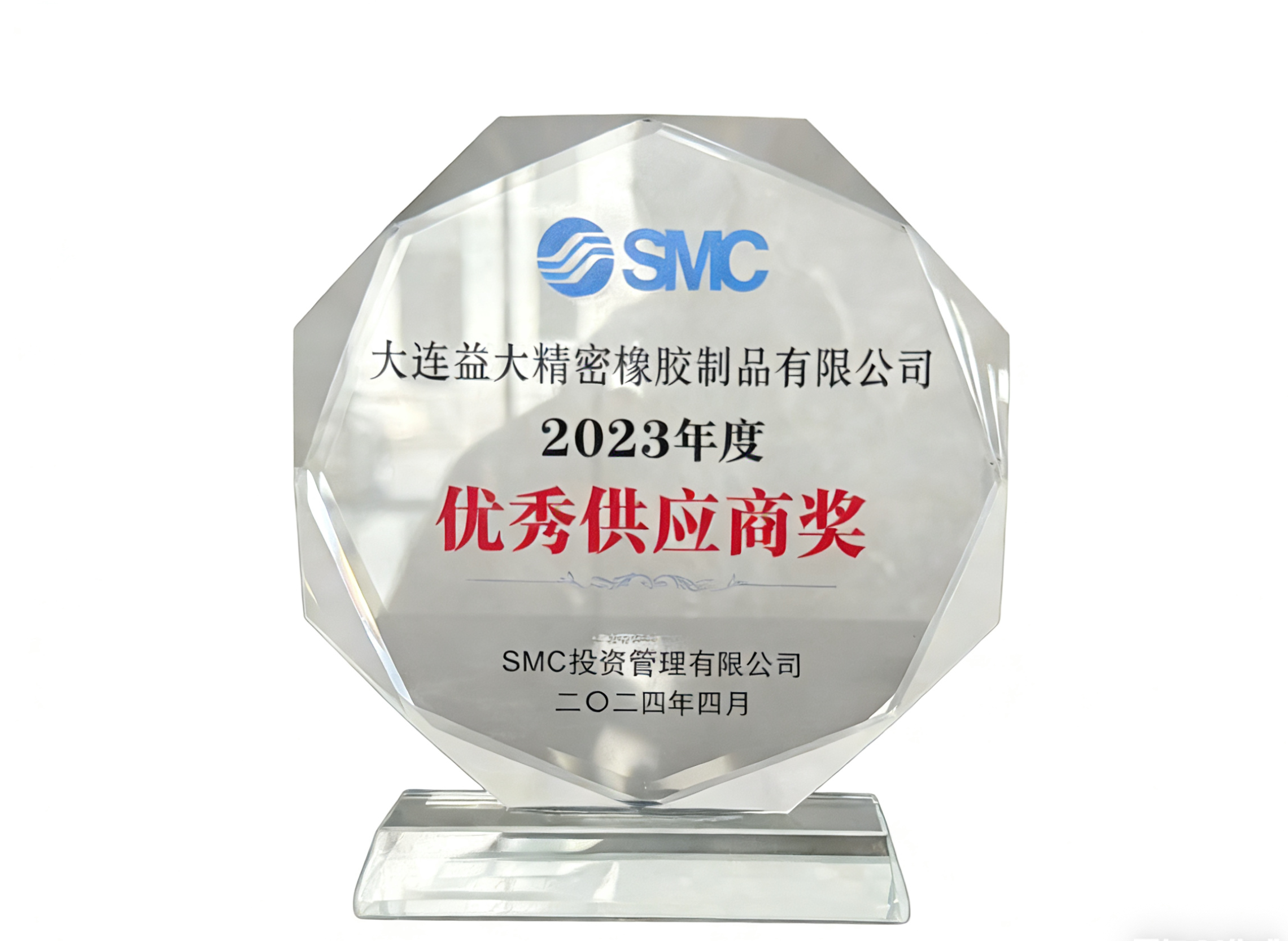
We have been working with top enterprises like SMC, Omron, Siemens, and Panasonic for a long time. Thanks to our excellent cooperation and commitment, we got recognized as SMC’s “2023 Excellent Supplier” and Omron’s “Global Strategic Partner”. Apart from that, our products reach different parts of the world such as the United States, Japan, South Korea, Europe, the Middle East, and other regions.
Talking about service, we provide free samples (customer pays for shipping), 15-day quick delivery for standard orders, and a 3 years warranty time on unopened items (free replacement in case of non-human caused ageing failure). The minimum order quantity is 1000 pieces. We also offer discounts for larger orders. Meeting the needs of our worldwide customers, we offer pretty flexible shipping options.
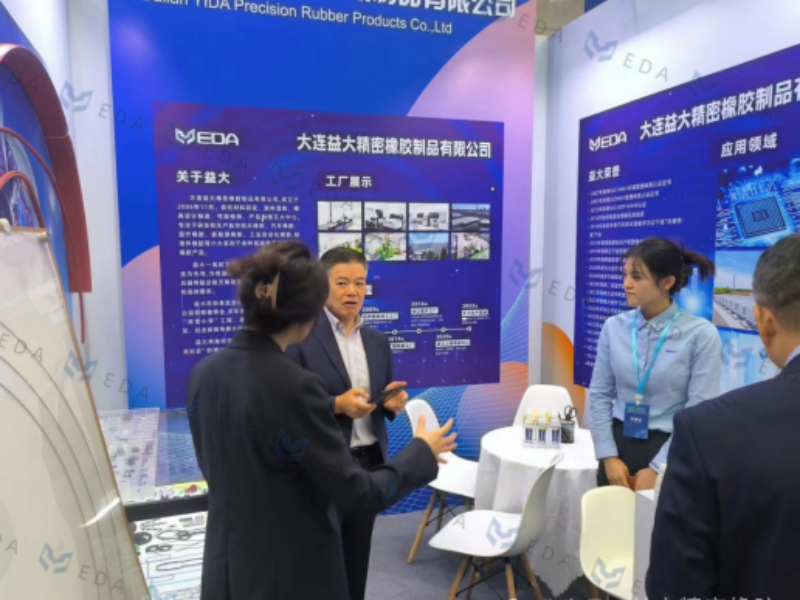
We Participated in Domestic and International Exhibitions—including the 27th Dalian International Industrial Expo.
We demonstrated our comprehensive ability to "import substitute" precision rubber seals with a systematic approach, using technical expertise of 30 years and more than 1000 material formulations at a CNAS-certified quality control system, at this exhibition. We have met and connected with those coming from the automotive, petrochemical, and ship-building industries. The international buyers we got in touch with during the exhibition from Japan, South Korea, and Russia proved to be the main channel opening up getting access to Northeast Asian market to us.
FAQ:
1. Will the metal and rubber delaminate under high temperature and pressure?
When designed appropriately, installed correctly, and operated under specified situations, a steady bond may be sustained, and delamination should not occur. Following sandblasting and adhesive pretreatment, the metal components are bonded to the rubber at elevated temperature, resulting in a bond strength of 3.0-8.0N/mm.
2. Can non-standard sizes and irregularly shaped inserts be customized?
Yes. The shape and overall dimensions of the metal rubber seal can be customized according to drawings.
3. Is the performance stable in extremely cold or high temperature environments?
Stable. Options are available for selecting different rubber materials based on the operating conditions. It can tolerate a temperature range of -40℃ to 220℃ and still keep its good elasticity under the designed operating conditions.