Rubber Diaphragm
-
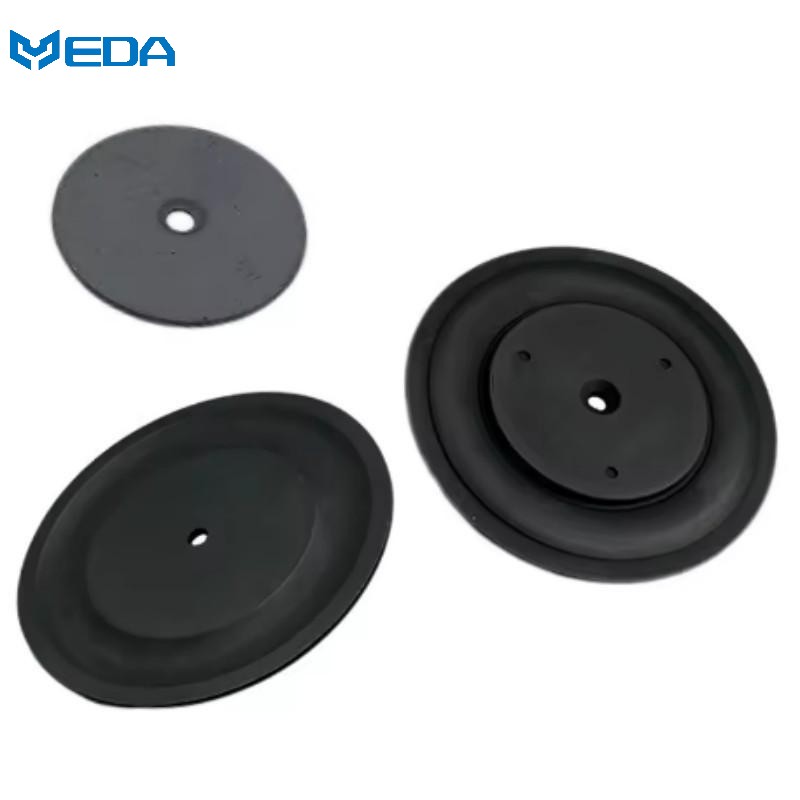
FKM Chemical Resistant Diaphragm
FKM diaphragm temperature range: -20°C to +220°C; resistant to short-term peaks in temperature of up to 250°C.
Email Details
Media resistance: Acid and alkaline reagents of different concentration levels, different types of organic solvents, oils, fuels, refrigerants, chemical products, corrosion-causing slurries, etc.
Physical properties: Very high tensile strength, good rebound stability, effective resistance to high frequency reciprocating flexing, and exceptional gas tightness. -
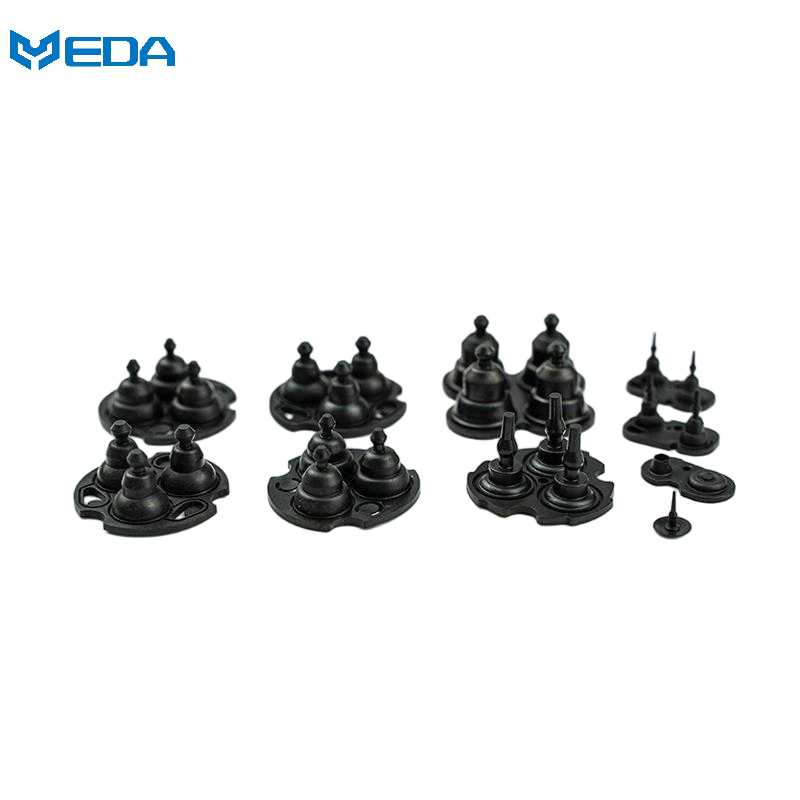
Precision Valve Rubber Diaphragm
1. The design of fabric-reinforced, high-tensile-strength diaphragm is meant for tear and fatigue resistance, making the diaphragm capable of handling very high-pressure, high-frequency operating conditions.
Email Details
2. Since EPDM and silicone release very low amount of leachables and have no smell, they can be used for clean piping systems and medical equipments.
3. The valve rubber diaphragm that is very accurate can be made in very thin thickness at 0.5 mm, with exact shape to the valve cavity. -
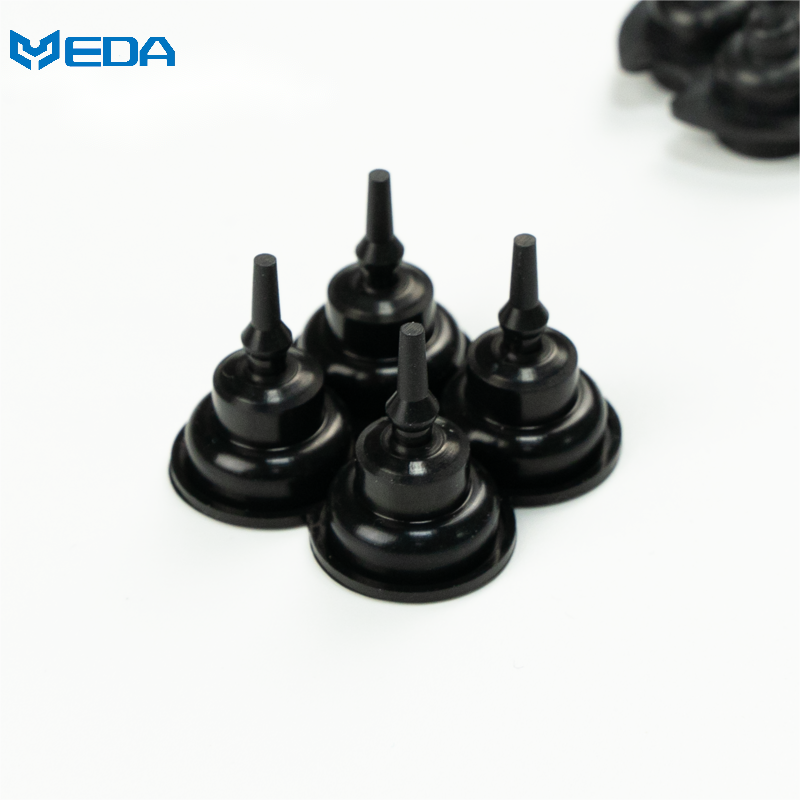
High Pressure Rubber Membrane
1. The inbuilt fiber-reinforced fabric layer along with the high-temperature molding process has set a record for the maximum pressure resistance up to 35MPa.
Email Details
2. The plastic membrane of the hydraulic system is manufactured by the precision dimensional control technology, which not only ensures a uniform membrane thickness but also helps in a stable pressure output of the equipment.
3. The high-pressure seal membrane comes in four different materials, and temperature resistance range from -40℃ to 180℃ (depending on the material). They are suitable for oil, water, gas, and highly corrosive media. -
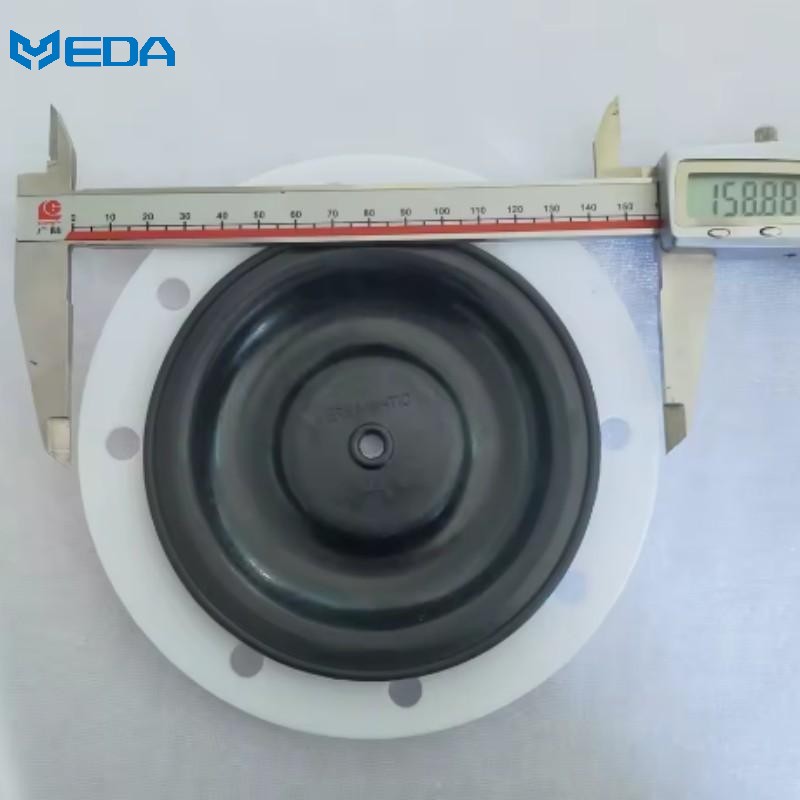
Durable Diaphragm Pump Seal
1. We provide a large assortment of ready-made sealing accessory sets as well as entire repair kits for units, thus leaving behind the compatibility problems caused by piecemeal sourcing.
Email Details
2. We have materials like NBR, EPDM, FKM, and PTFE that cater to different kinds of media and work conditions.
3. In relation to the type of material, our rubber diaphragm seals are capable of handling very low and very high temperatures - from -50°C up to 200°C. They also have a compression set as low as 10% which means they will keep sealing strongly for a long time and will not loosen or show signs of aging early. -
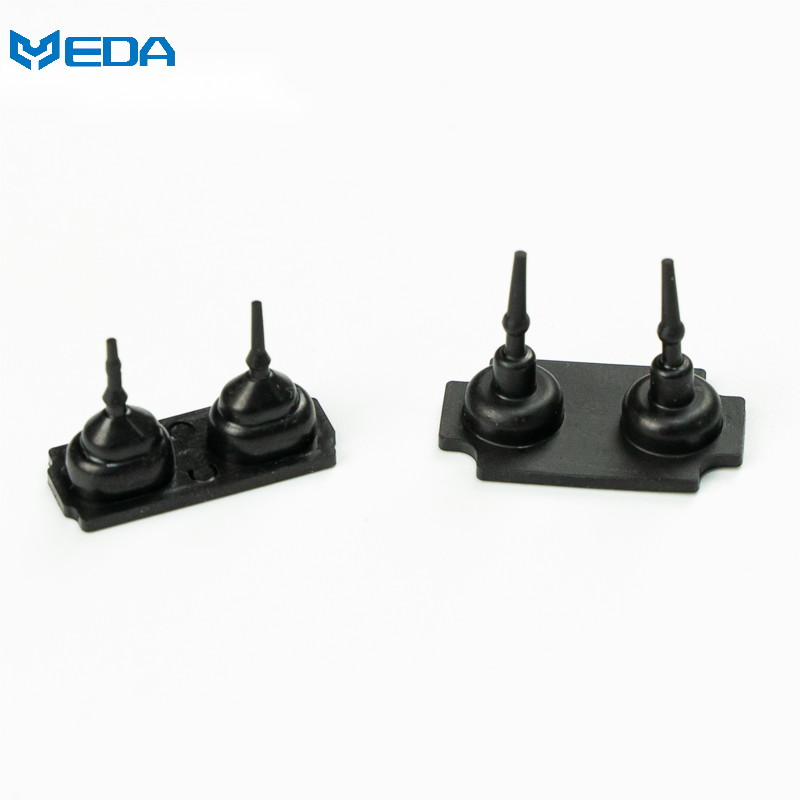
Industrial Air Pump Diaphragm
1. The high pressure rubber membrane after being integrally molded becomes a compact and non-porous material with a protective layer capable of puncturing and breaking resistance even when the machine is continuously operated by reciprocating motion.
Email Details
2. We can handle environments from -20°C up to 150°C. By choosing from a number of rubber options, it is possible to find a material that perfectly matches your needs with respect to the chemical nature of the working media, whether it is acidic, alkaline, oily, or particulate in character.
3. This vacuum pump rubber diaphragm is precisely made with measurements that could deviate only by ±0.5mm. Its capability to withstand a pressure of 0.2-0.8MPa also makes it the right choice for domestic as well as industrial uses. -
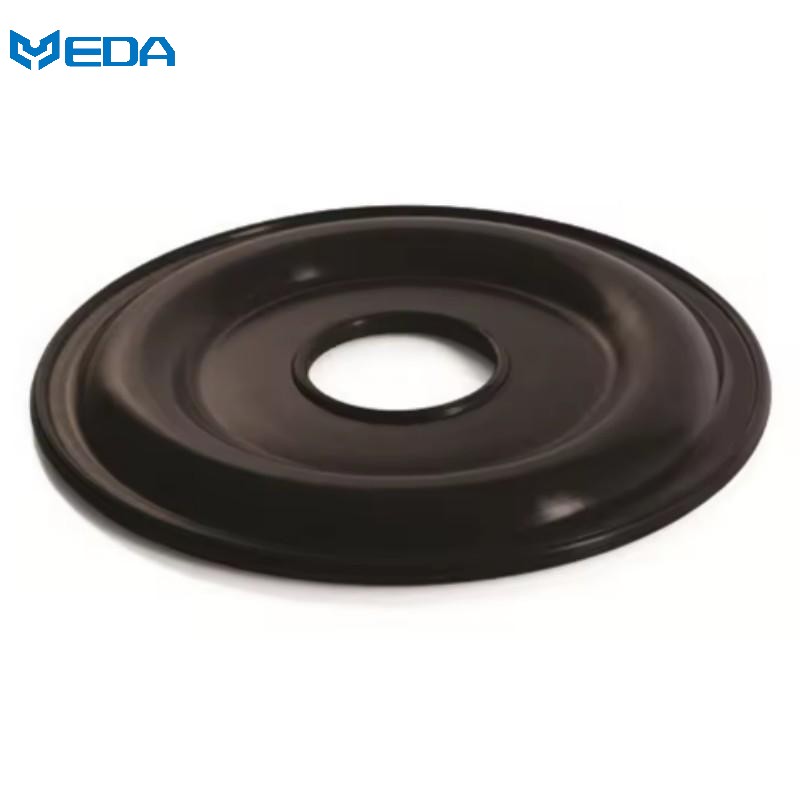
Molded Rubber Diaphragm
Molded rubber diaphragms are manufactured through a high-temperature, one-step molding procedure, which creates a compact and homogeneous material without any seams. Being the major elastic, pressure-bearing parts of diaphragm pumps, pneumatic valves, and metering pumps, they come with high tearing strength, very good resistance to the continuous flexing, highly dependable sealing performance, and remarkable longevity.
Email Details -
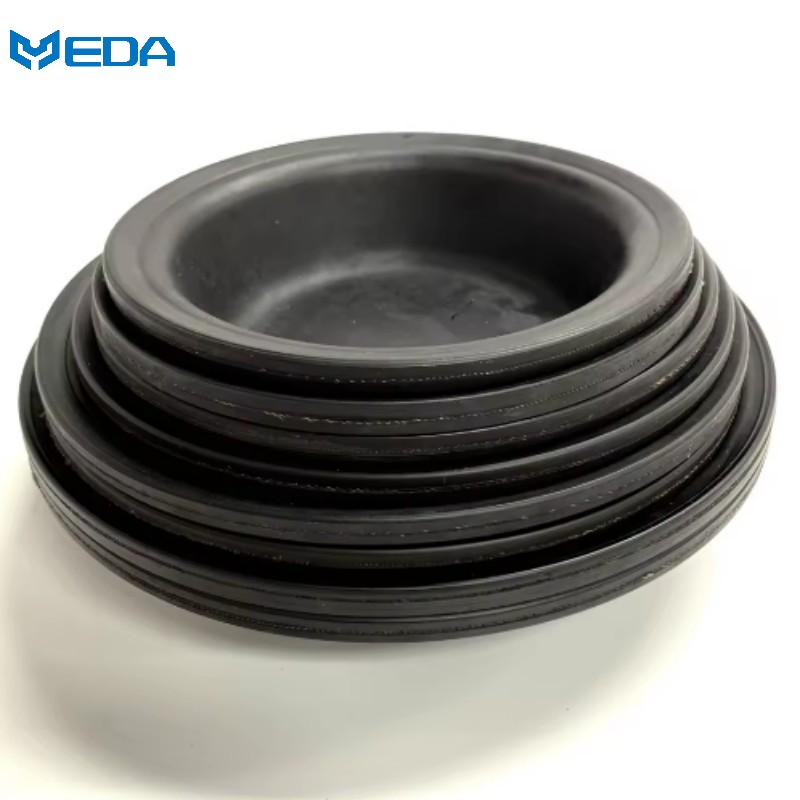
T24 Rubber Diaphragm
1. Modified NBR and NR base materials especially through the use of low-volatility, cold-resistant plasticizers.
Email Details
2. Perform dynamic low-temperature flexing tests at -40°C like the ones described in ASTM/ISO standards or according to manufacturer's validation procedures to ensure that the diaphragm does not become hard or brittle due to extreme cold.
3. Physically, the air brake chamber diaphragm still maintains its mechanical strength even at very high temperatures.