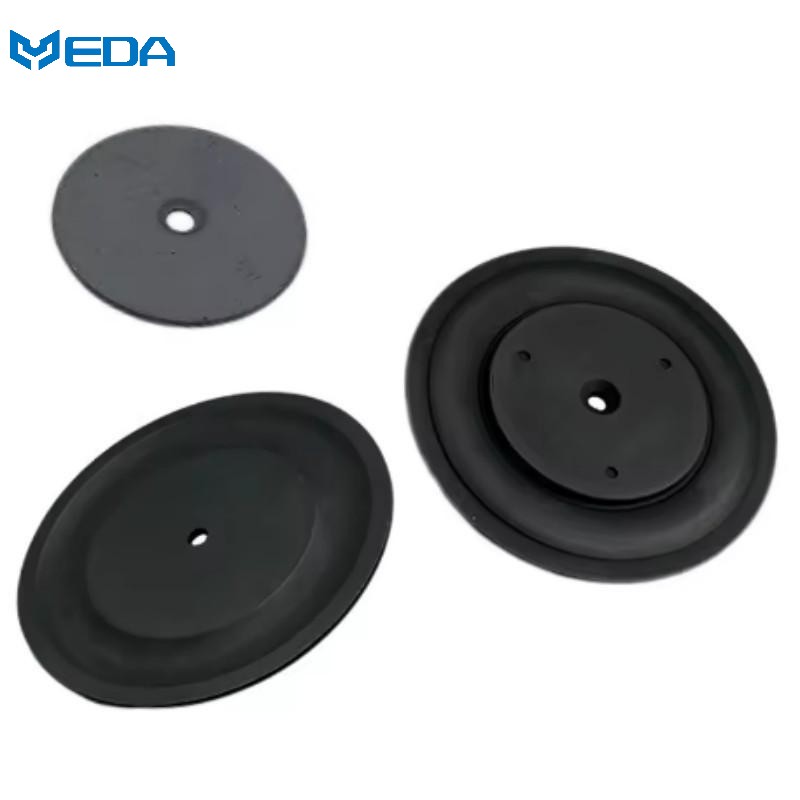
High Pressure Rubber Membrane

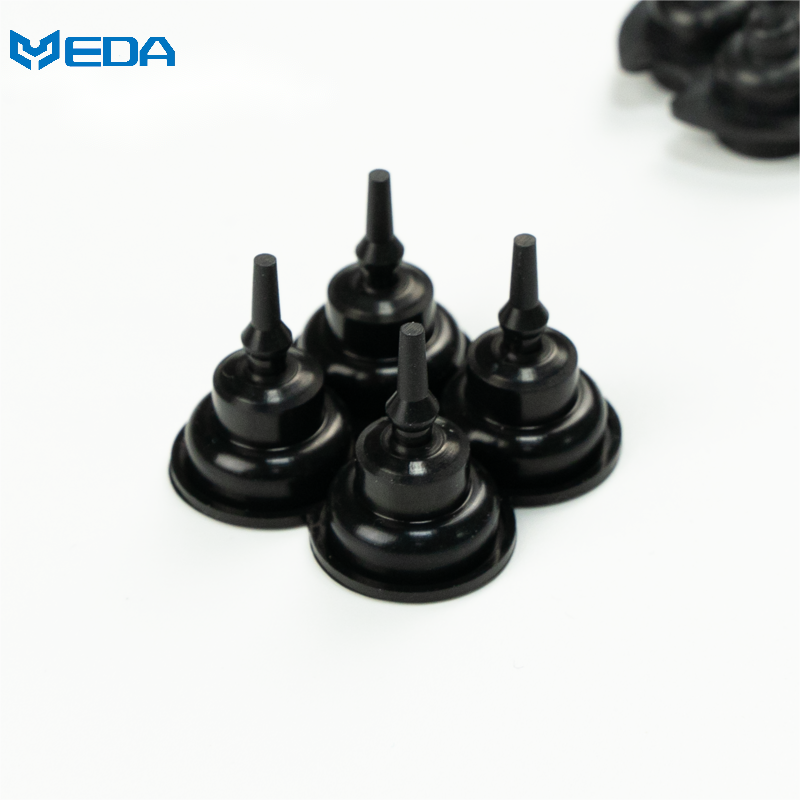
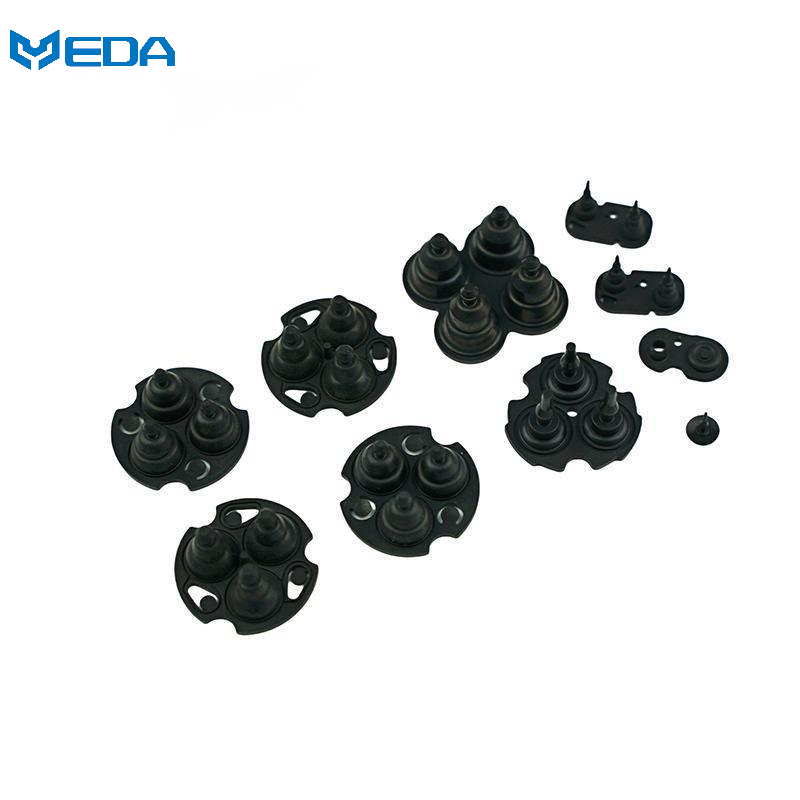
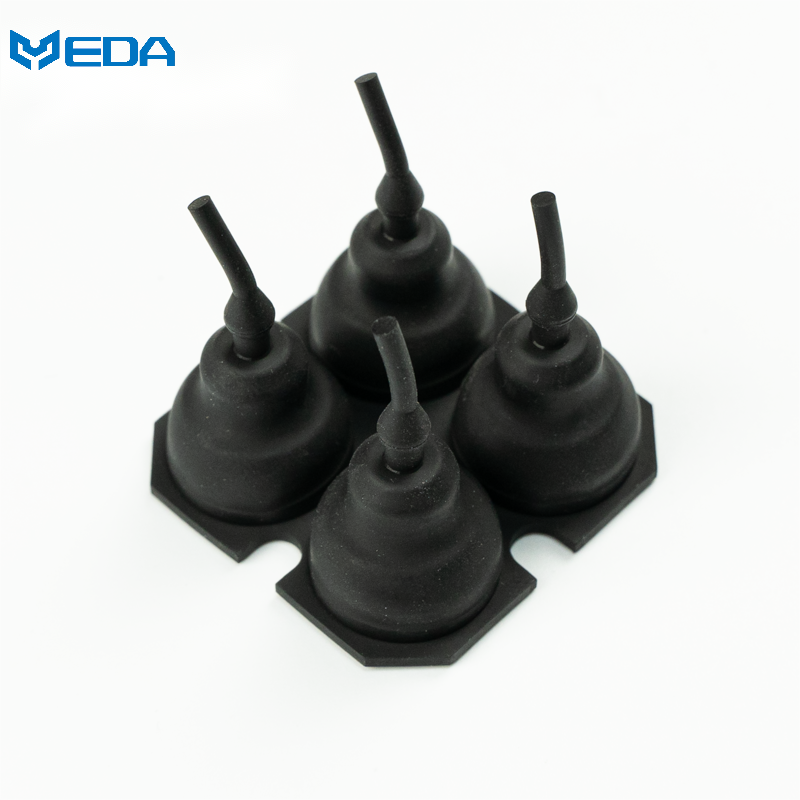
- YiDa
- Dalian,China
- 15-20 days
- 2 billion/year
1. The inbuilt fiber-reinforced fabric layer along with the high-temperature molding process has set a record for the maximum pressure resistance up to 35MPa.
2. The plastic membrane of the hydraulic system is manufactured by the precision dimensional control technology, which not only ensures a uniform membrane thickness but also helps in a stable pressure output of the equipment.
3. The high-pressure seal membrane comes in four different materials, and temperature resistance range from -40℃ to 180℃ (depending on the material). They are suitable for oil, water, gas, and highly corrosive media.
When you operate a rubber membrane under the pressure of rapid reciprocating motions, it usually breaks down if the membrane's pressure resistance isn't up to the mark. And the non-uniform thickness of the membrane causes pressure drift. In this way, you get a lot of equipment down-time and maintenance costs. Besides, if the medium leaks, it could cause safety accidents.
Our Professional Hydraulic Rubber Membrane Solution.
The product is constructed from a high-strength rubber composite material, shaped by a high temperature molding process, and containing an internal layer of fiber reinforcement. It features excellent pressure resistance, can endure impact from high pressure, and is elastic enough to resist tensile deformation. In fact, it is the elastic sealing membrane intended for bearing high pressure in both fluids and pneumatic/hydraulic equipment. Besides, it is able to perform stable reciprocating deformation even under high-pressure conditions, which in turn aids in minimizing the risks of leakage, as well as prevents bulging and rupture.
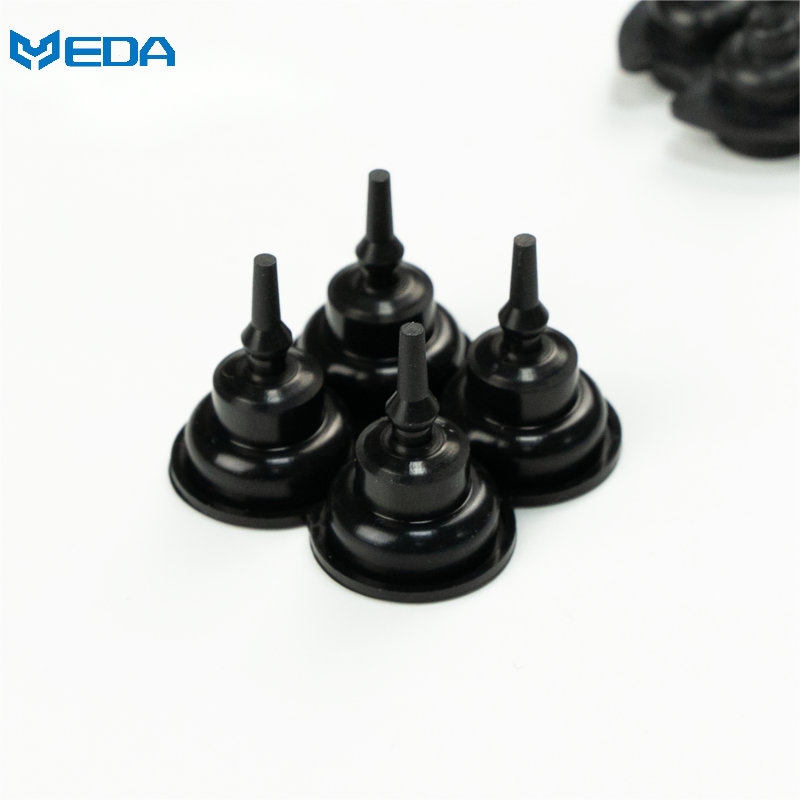
Specific Parameters of the High Pressure Seal Membrane:
| Parameter | Specification |
| Material & Formulation | Fabric-reinforced Natural Rubber (NR): General purpose for pneumatic pumps and high-pressure valves; Fabric-reinforced NBR (Nitrile Butadiene Rubber): Suitable for hydraulic oil, engine oil and other oily high-pressure media; Fabric-reinforced EPDM (Ethylene Propylene Diene Monomer): Preferred for high-pressure clean water and water-steam working conditions; Fabric-reinforced FKM (Fluororubber): Specialized for high-pressure, highly corrosive chemical media. |
| Temperature Range | -40℃ ~ 180℃. Dependent on material. NR: -20℃ ~ 80℃; NBR: -30℃ ~ 120℃; EPDM: -40℃ ~ 150℃; FKM: -20℃ ~ 180℃. |
| Pressure Resistance | Maximum working pressure 35MPa. Varies according to diameter, thickness, number of fabric layers and structure |
| Dimensional Accuracy | General dimensions can be controlled within ±0.1mm; critical dimensions can reach ±0.05mm. Dependent on dimensions and mold structure |
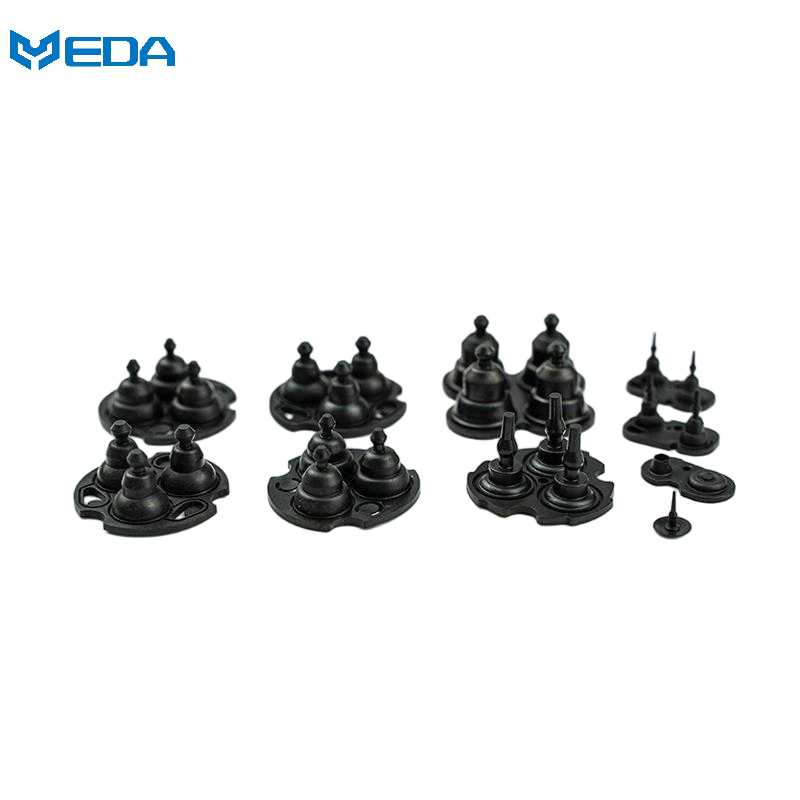
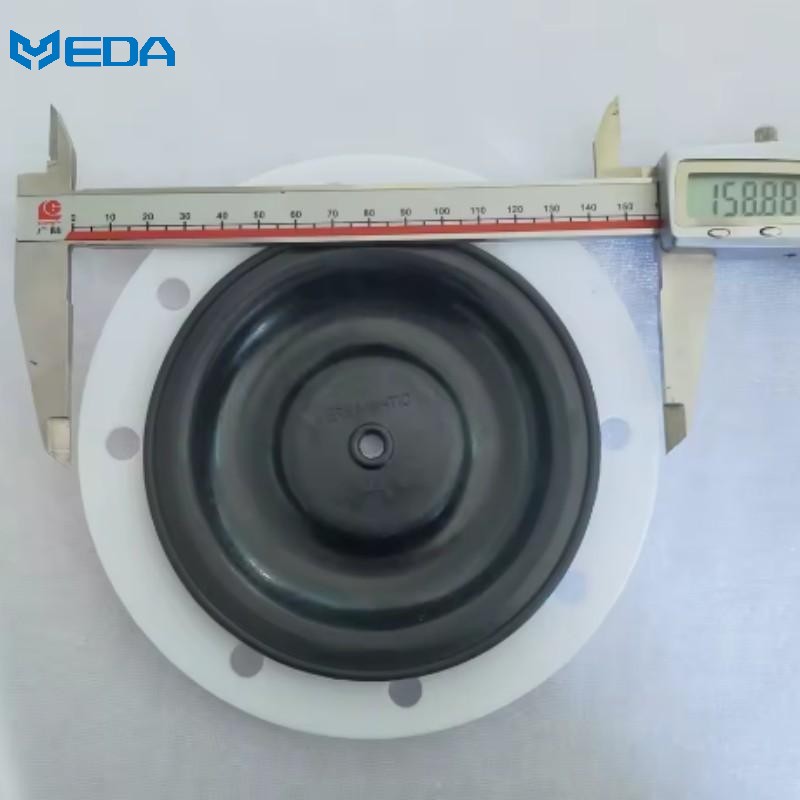
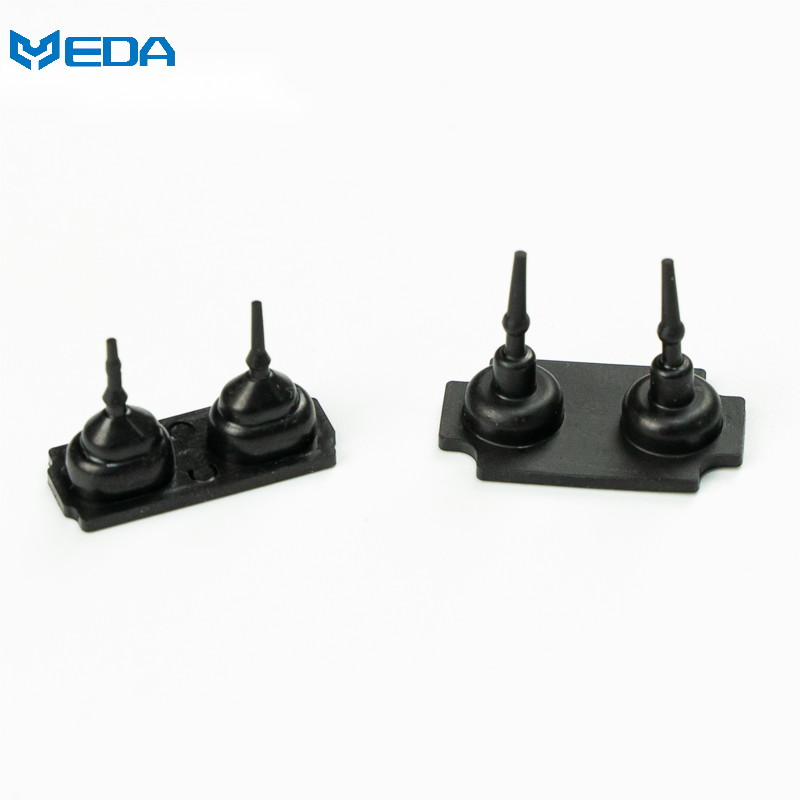
| Shape | Round, Special-shaped, Flange-type high-pressure diaphragm. Customizable |
| Color | Black as standard. Multiple colors customizable |
| Hardness | Shore A 70-90. Dependent on working conditions |
| Reinforcement Structure | Composite fabric-reinforced structure |
| Thickness | 1.5mm – 3mm. Non-standard customization available |
| Tear Strength | 20 kN/m – 100 kN/m. Dependent on material |
| Tensile Strength | 10 MPa – 30 MPa. Dependent on material |
| Elongation at Break | 300% – 600% |
| Compression Set | ≤ 25% |
| Operating Frequency | Up to 300 cycles per minute. Dependent on diaphragm size and working conditions |
| Certifications & Testing | ISO 9001, AS9100D, RoHS 2.0, REACH (Material compliance) |
| Applicable Media | Hydraulic oils and lubricating oils (Mineral oils, Synthetic lubricants); Water and basic fluids (Industrial water, Seawater, etc.); Conventional gases (Natural gas, Nitrogen); Weak acids, alkalis and chemicals |
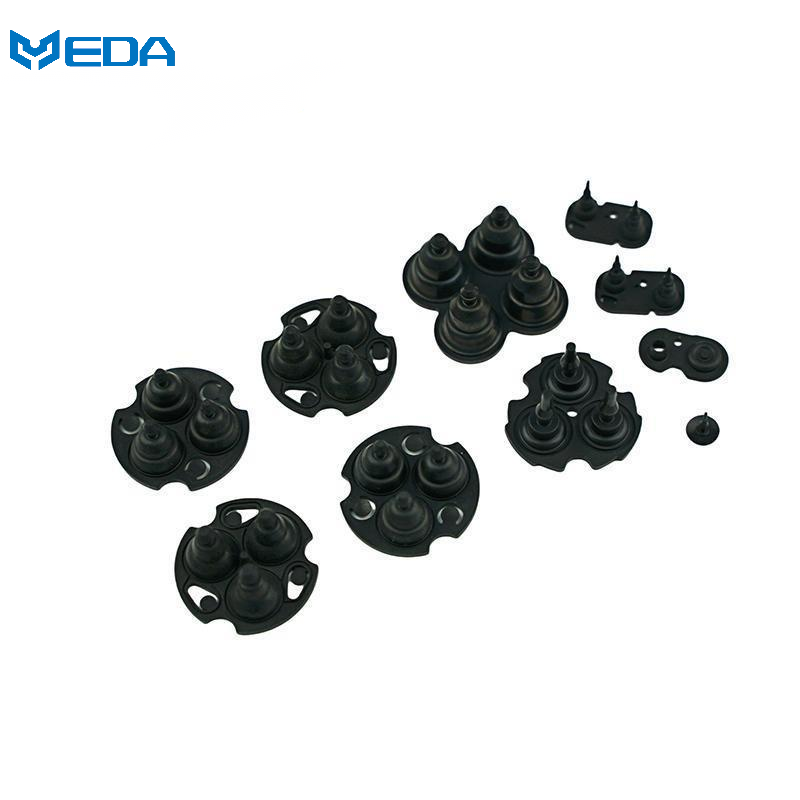
Key Advantages of High Pressure Seal Membranes:
1. Composite fabric reinforcement structure prevents high-pressure rupture.
The hydraulic rubber membrane is made of a high-strength rubber composite that incorporates an internal fiber-reinforced fabric layer. This structure enables the stress, resulting from high-pressure impact on the diaphragm, to be spread and supported by the fabric layer. Naturally, this leads to a sharp increase in the pressure at which the diaphragm bursts.
Depending on the type of rubber, the pressure resistance of the rubber membrane can be as high as 35MPa (maximum working pressure), the tear strength can reach 20~100kN/m, and the tensile strength can be 10~30MPa. Even in the case of frequent impacts by pneumatic valves and high-pressure pumps, it is still able to provide a protective barrier for the equipment.
2. Uniform thickness ensures stable equipment operating pressure.
By applying high-temperature molding technology and highly precise mold control, the high pressure seal membrane features a thickness that is very even (standard 1.5-3mm, non-standard can be customized), while the dimensional accuracy goes up to ±0.1 mm (critical dimensions up to ±0.05 mm, depending on size and mold structure). In other words, a hydraulic rubber membrane cannot deform out of sync in different areas because of the local variations in thickness, so the fluctuations in the output pressure of the equipment can be avoided.
Besides, the Shore A hardness of 70~90 can be altered depending on the working conditions to make sure that the diaphragm deformation is not only controllable but also capable of rebounding quickly under high pressure, thereby assisting the equipment in maintaining a stable operating pressure curve.
3. Strong resistance to various media, resistant to swelling and hardening.
Depending on the working media, our product is offered in four different material options i.e fabric-reinforced natural rubber, NBR, EPDM, and FKM. Various materials are intended for water, general gases, oils, and highly corrosive chemicals respectively. Consequently, the diaphragm is less likely to swell and harden when exposed to different media, retains its elasticity and sealing capability for a longer period, thereby, lengthening the replacement intervals and lowering the maintenance costs.
4. Precision molding to minimize air bubbles and interlayer defects.
During the high-pressure vulcanization process when rubber and fabric layers are fully fused, a rubber membrane is created by employing a high-temperature molding method that is also known as the rubber membrane manufacturing process.
Internal defects such as air bubbles, interlayer defects and delamination are effectively avoided. Every batch of products is visually inspected and dimensionally checked and also tested for key performance attributes according to quality control procedures by the material density and structural uniformity are ensured.
5. Strong installation adaptability.
Our rubber membrane is compatible with customization to a great extent. We are able to customize various shapes, outer diameters, inner diameters, thicknesses, pressure ratings, and hardness parameters from customer drawings or samples for different high-pressure scenarios.
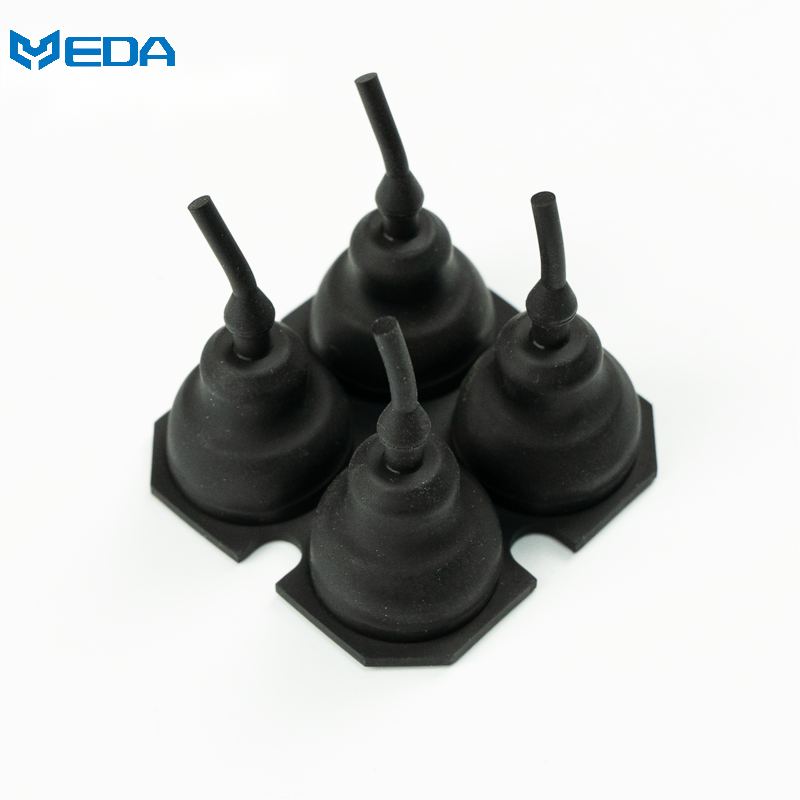
Typical Applications of Rubber Membranes Include the Following Areas:
1. Equipment for volumetric transfer of fluids: This is what makes it possible to have leak-free and isolated transport of media in the diaphragm components of high-pressure diaphragm pumps. This type of equipment is compatible with high-viscosity, heavily corrosive, or particulate-containing fluids in high-pressure pumping conditions.
2. Industrial process control terminals: These terminals are components of high-pressure pneumatic regulating valves and pressure control valves, where they perform the function of converting input air pressure signals into valve stem displacement. This in turn permits high-precision closed-loop regulation of process pipeline pressure and flow.
3. Hydraulic servo and pressure control units: These are the components of hydraulic pressure controllers and oil pressure transmission systems that are used for pressure setting, overload protection, and pilot stage control of high-pressure oil circuits.
About Us:
Corporate Capabilities and Production Capacity.
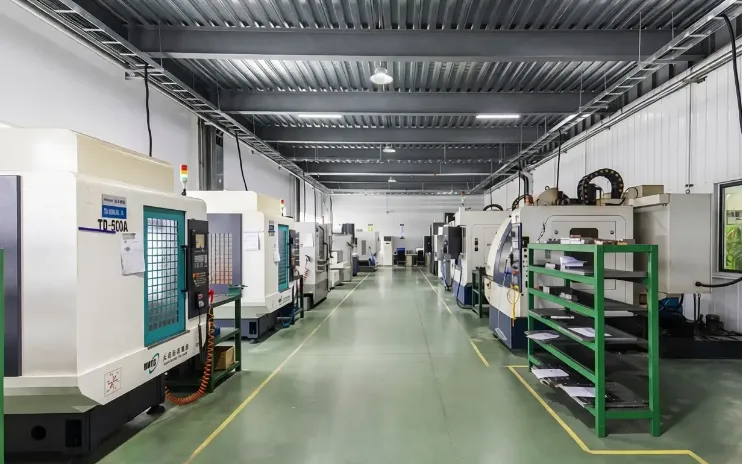
Since our inception in 2006, we have been backed by the team with industry manufacturing experience of over 20 years. We have a large factory that covers 37,000 square meters and a team of 450 people, who help us to get an impressive yearly production capacity of over 2 billion units. Our products are mainly divided into two big groups—molded parts and extruded profiles—with a collection of more than 1,000 types of material formulations.
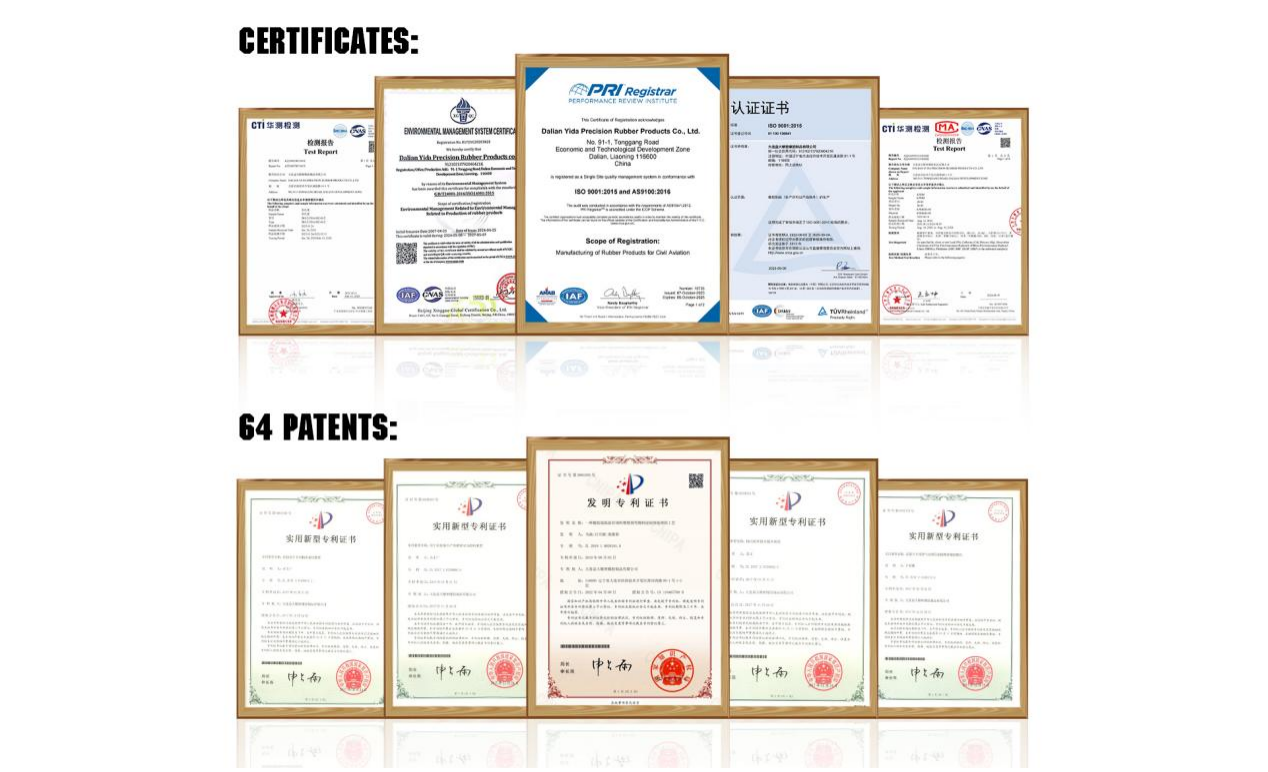
Product Certifications and Quality Standards.
Our certification portfolio includes AS9100D, ISO 9001:2015, ISO 14001:2015, and IATF 16949:2016. We also run a CNAS-accredited laboratory and have SGS audit reports. The ingredients in our rubber comply with international environmental and safety regulations, including but not limited to EN549, RoHS 2.0, and REACH. Besides, we have very detailed quality inspection reports and testing videos that help us provide tangible evidence of the quality of our work with full-process traceability.
Business Cooperation and Market Coverage.
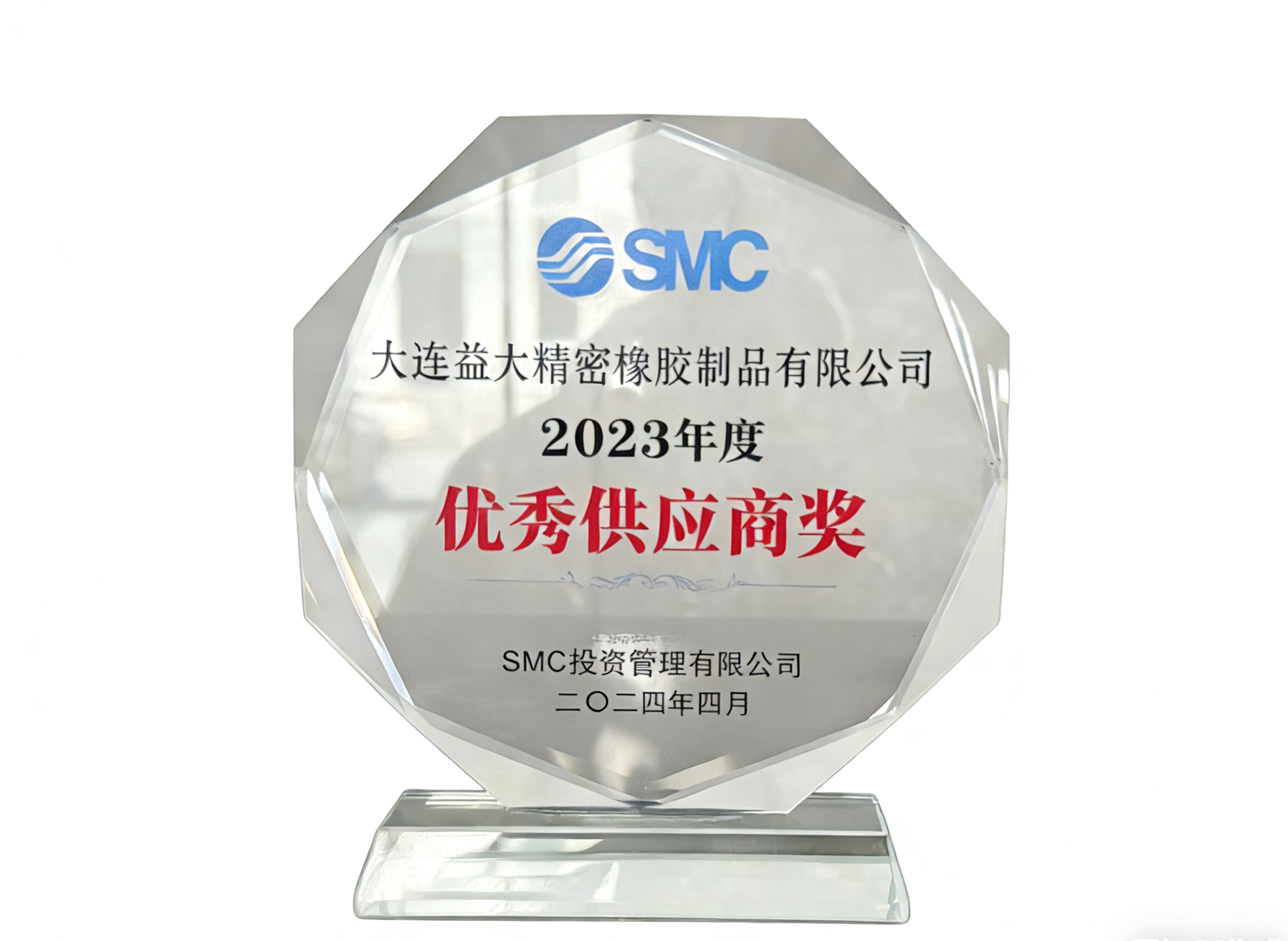
Our company has established solid supply partnerships with very well-known domestic and foreign brands such as SMC, Siemens, Panasonic, and Eppendorf. We were proud to receive the "2023 Excellent Supplier" award from SMC and our clients continue to have great trust in us. Our export products have found markets in countries like the United States, the United Kingdom, South Africa, Saudi Arabia, and in many other parts of Southeast Asia and Europe; we are very familiar with the international logistics and customs clearance processes.
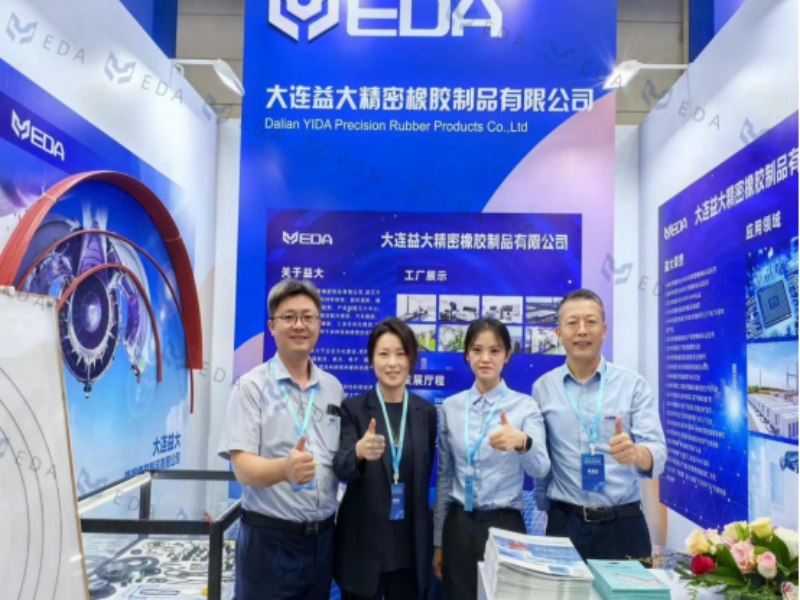
Exhibition Event: The 27th Dalian International Industrial Expo.
Drawing on our comprehensive 20 years of experience, including developing 1000+ materials and possessing CNAS-certified laboratory for testing, we demonstrated our comprehensive strengths, from highly accurate manufacturing to digital and intelligent quality control. We through the northern China premier industrial event not only reached international countries like Japan, South Korea, and Russia but also enhanced our recognition in the industry of high-reliability sealing components.
FAQ:
1. How does the high-pressure rubber diaphragm avoid fatigue failure during high-frequency reciprocating motion?
We use a high-strength rubber composite material that is reinforced with fabric layers. This combination is very effective in resisting and releasing the dynamic stresses caused by the reciprocating deformation.
2. How does the product perform regarding swelling resistance? Will its dimensions change after prolonged contact with the medium?
We pick specific materials tailored for the media they are intended for; these materials have been tested for low swelling in their respective environments. Tests confirm that the diaphragm will not jam or lose its sealing property due to swelling even after long-term exposure.
3. What precautions should be taken when installing the high-pressure rubber diaphragm?
Before installation, clean the sealing groove and the surfaces that will be mated; make sure that the installation orientation is the right one. If the diaphragm has a custom shape, carefully comply with the installation positions shown in the drawings, or else the twisting or misalignment that result could lead to sealing performance compromise.