Rubber Mixing Workshop and Vulcanization Workshop
Rubber Mixing Workshop:
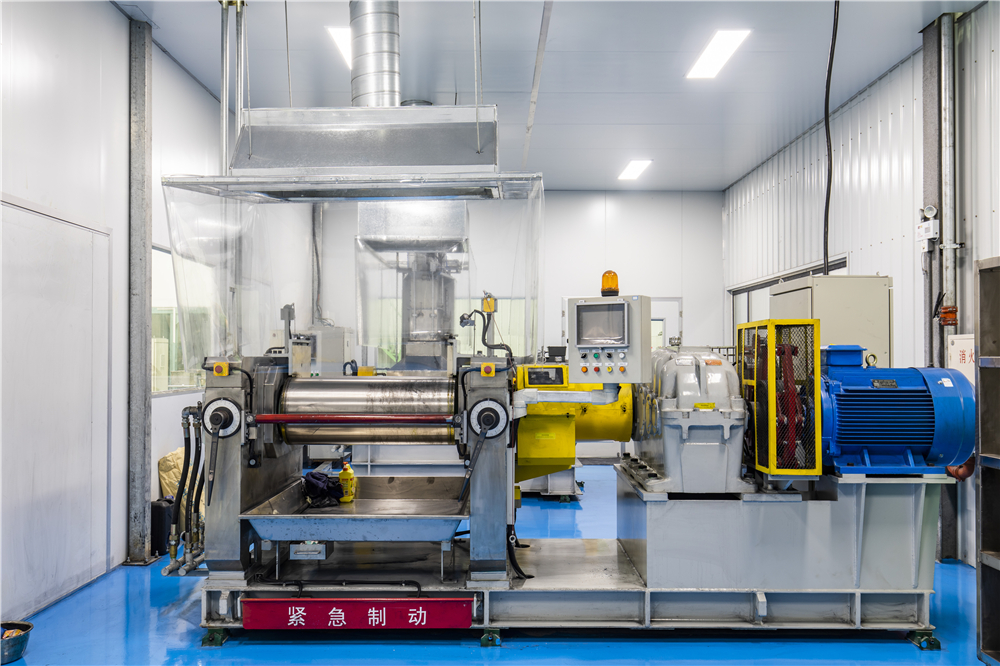
To further enhance product quality and material consistency, the company established its own rubber mixing system in 2014. This move enabled end-to-end in-house control—spanning raw material formulation development and mixing processes to the actual production of rubber compounds—marking a significant upgrade in the company's capabilities regarding rubber material R&D and manufacturing.
As a critical upstream stage in rubber product manufacturing, the quality of the rubber compound directly determines the overall performance of the final product. The stability of rubber products depends not only on subsequent molding or injection molding processes but is also closely linked to the compound's homogeneity, formulation precision, and process control. Mixing quality directly impacts key performance indicators such as hardness, tensile strength, elongation at break, compression set, wear resistance, aging resistance, resistance to media, and dimensional stability.
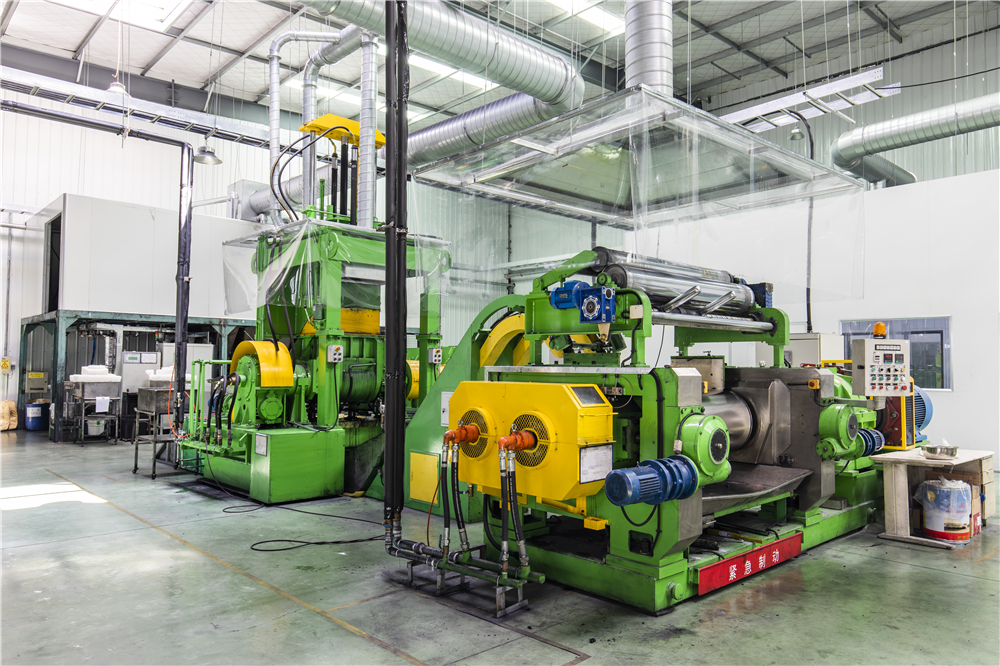
Leveraging its proprietary rubber compounding system, the company develops specialized rubber compounds tailored to diverse application fields. By precisely controlling key process parameters—such as raw material ratios, mixing temperatures, duration, and rotor speeds—the company ensures consistent physical and processing properties across every batch. Furthermore, a robust batch traceability system enables end-to-end quality tracking from raw materials to finished products, enhancing batch stability and delivering reliable, sustainable, and high-quality rubber solutions to customers.
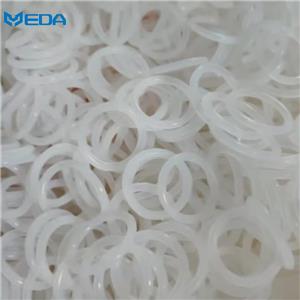
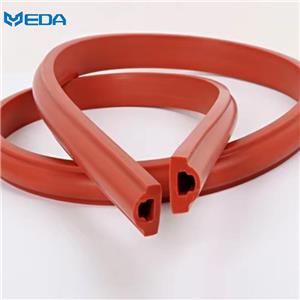
Currently, the company offers formulation optimization and customized development for a wide range of rubber materials—including silicone rubber, EPDM, NBR, FKM, and CR—to meet specific operational requirements. These solutions ensure material stability and performance in demanding environments characterized by high temperatures, exposure to oil and chemicals, weathering, ozone, and heavy mechanical loads.
Vulcanization Workshop:
Vulcanization is one of the most critical core processes in rubber manufacturing. It involves the scientific control of temperature, pressure, and curing time to transform soft, easily deformable raw rubber into industrial rubber products with excellent overall performance characteristics.
Precision vulcanization enhances properties such as elastic recovery, mechanical strength, wear resistance, temperature resistance (high and low), resistance to oils and chemical media, fatigue resistance, and dimensional stability. This effectively extends the product's service life and meets the requirements for the long-term, stable operation of industrial equipment.
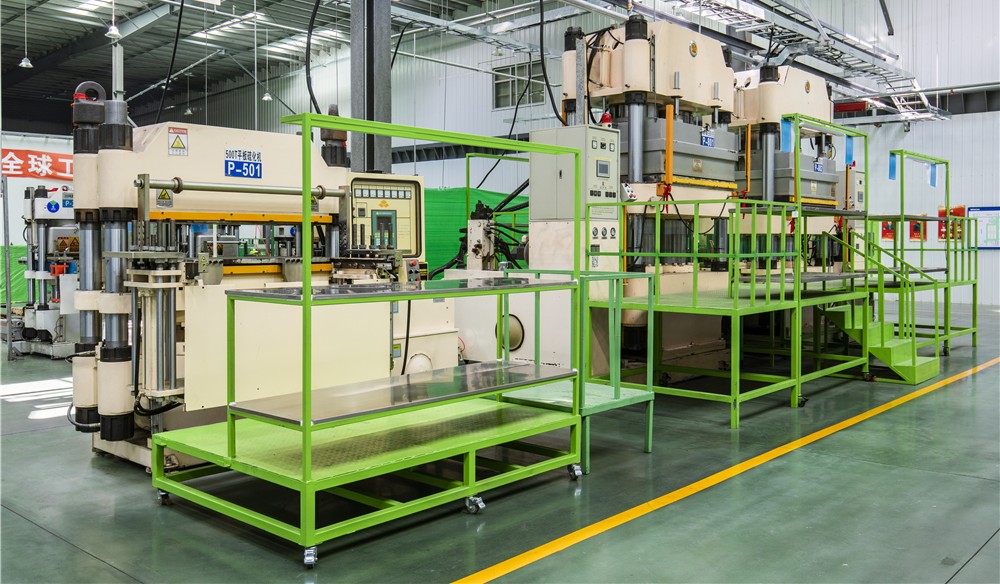
The company is equipped with modern vulcanization machinery and has established a comprehensive process control system. Tailoring approaches to specific rubber materials, product designs, and application scenarios, our technical team formulates optimal vulcanization curves. By precisely controlling parameters such as temperature, pressure, dwell time, and cooling, we ensure that every product achieves the ideal state of cross-linking, preventing defects like under-curing or over-curing and guaranteeing consistent product performance.
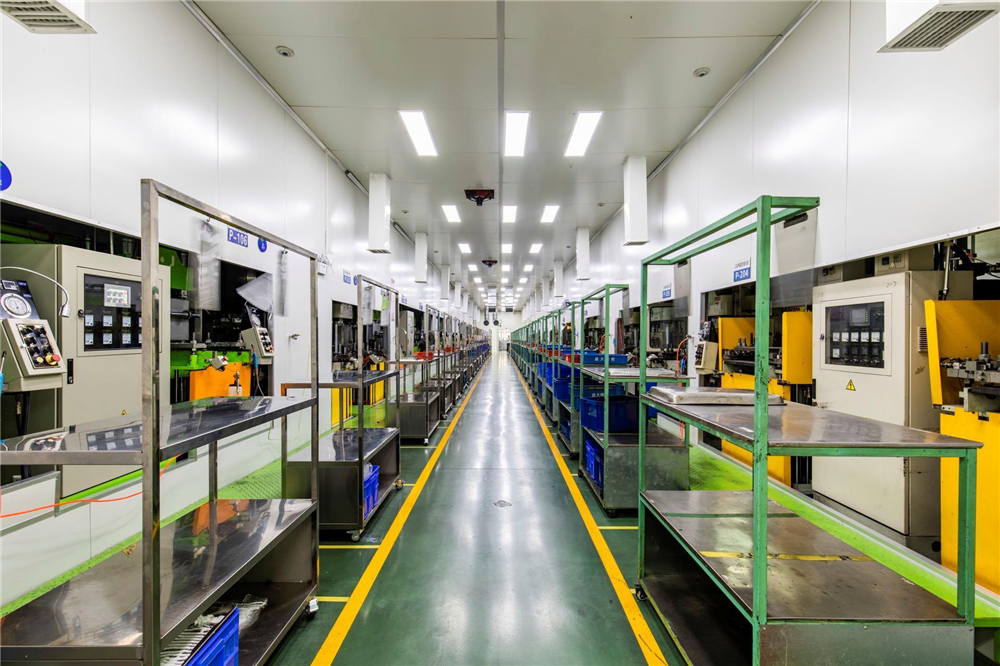
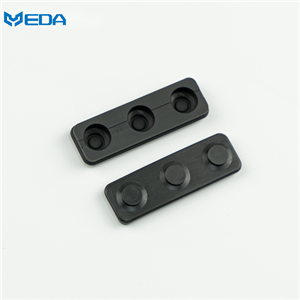
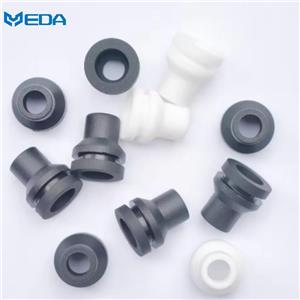
Leveraging mature rubber compounding systems and vulcanization processes, we have established a comprehensive manufacturing chain—spanning raw material R&D, formulation design, mixing and processing, vulcanization molding, and quality inspection—to ensure quality control throughout the entire lifecycle of our rubber products. This integrated production capability, covering everything from upstream material development to downstream manufacturing, fully demonstrates our comprehensive strength in the fields of rubber seals and industrial rubber products, enabling us to provide global customers with high-performance, high-quality rubber products backed by a stable and sustainable supply.