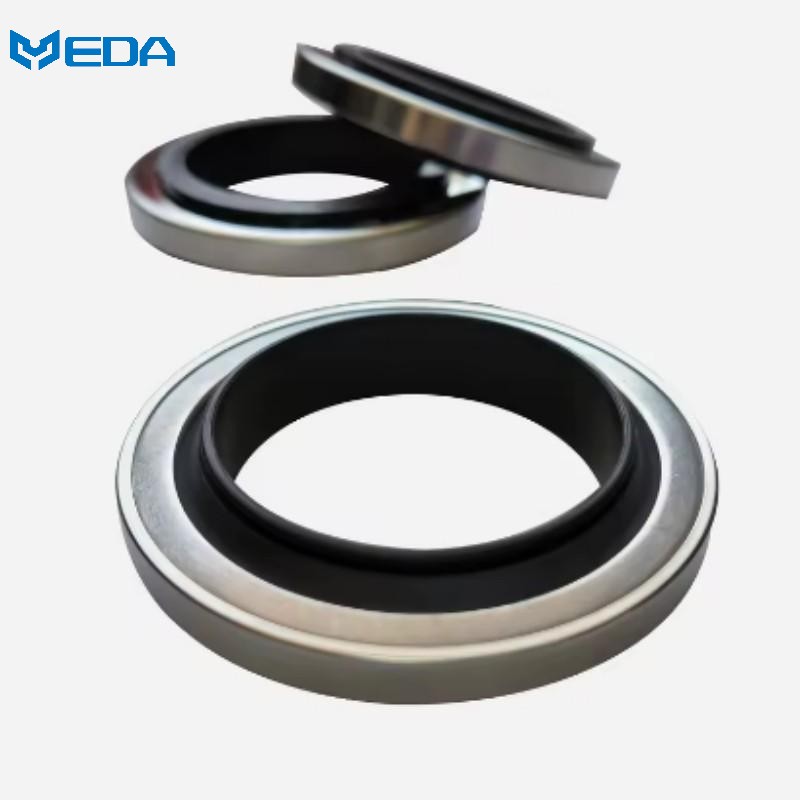
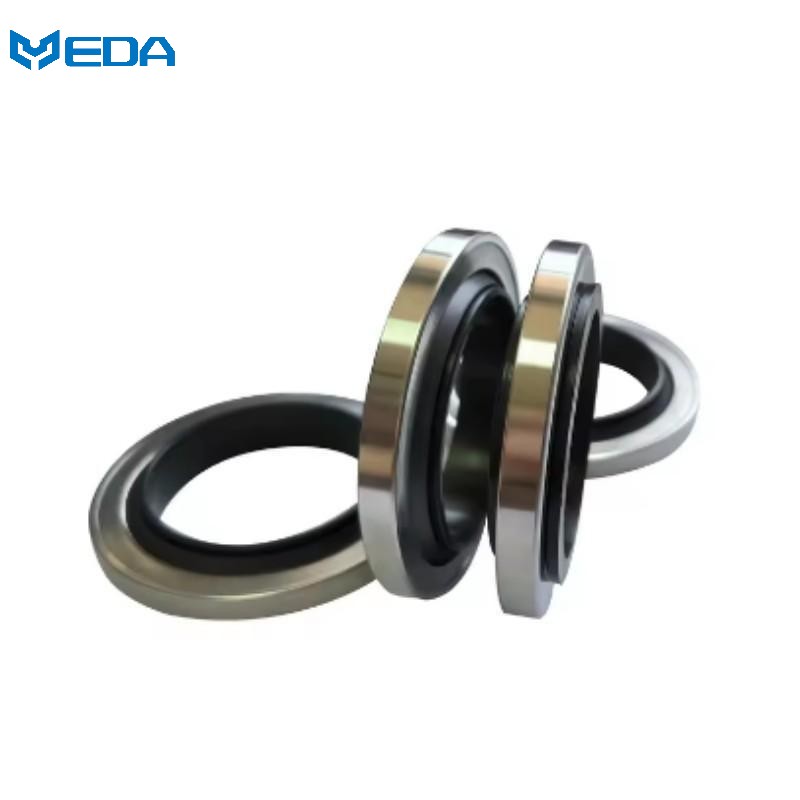
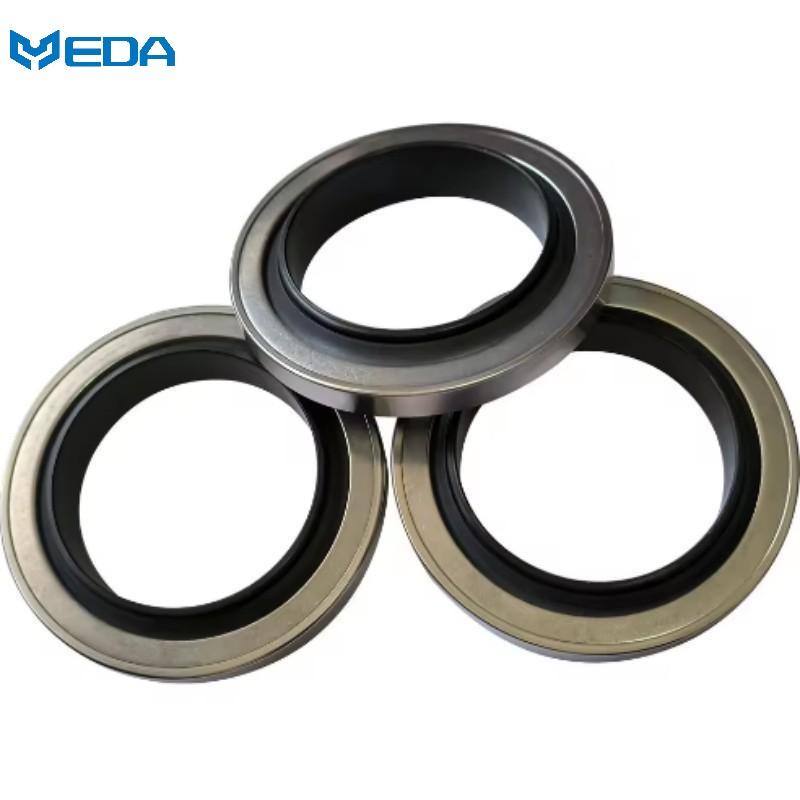
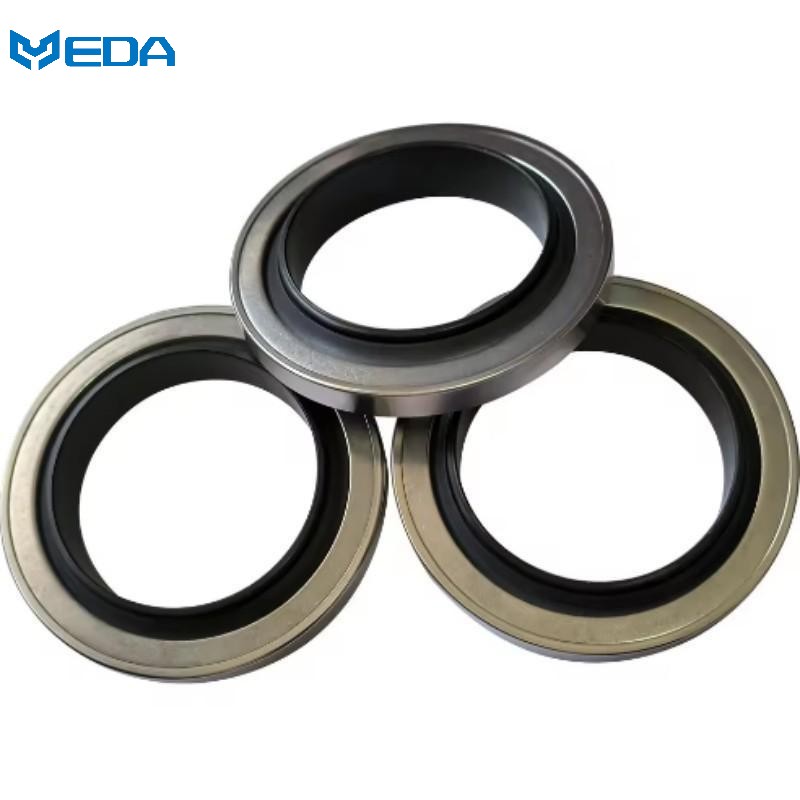
High Pressure Rotary Shaft Seal

- YiDa
- Dalian,China
- 15-20 days
- 2 billion/year
1. Depending on the sealing material, our products operate within a temperature range of -200°C to 260°C.
2. Our seals are suitable for various heavy-duty rotating equipment, such as gear reducers, compressors, and reaction vessels.
3. Depending on the material selected, our high pressure rotary shaft seals are compatible with strong acids, strong alkalis, and various corrosive media.
A common challenge when selecting high pressure rotary shaft seals is incompatibility between the seal material and the operating medium, which can lead to swelling or premature aging.
To address this, rather than simply relying on off-the-shelf materials, we customize solutions using materials such as FKM, FFKM, and PTFE tailored to your specific operating conditions. Furthermore, these high-pressure rotary seals incorporate optimized lip geometries, anti-extrusion designs, and pressure-compensation structures to minimize the risk of leakage in high-pressure environments.
Analysis of High Pressure Rotary Seals.
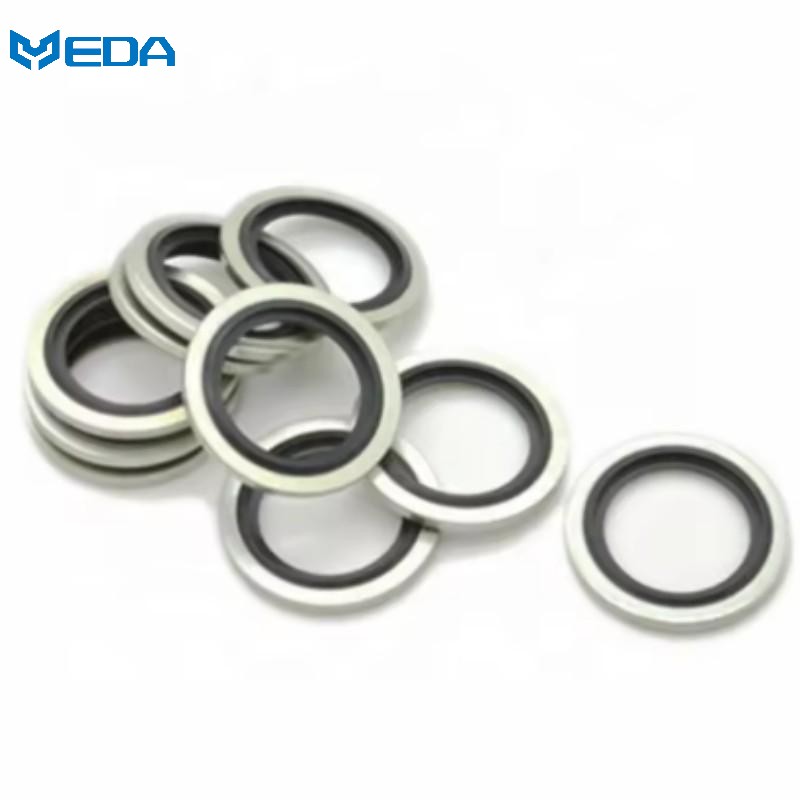
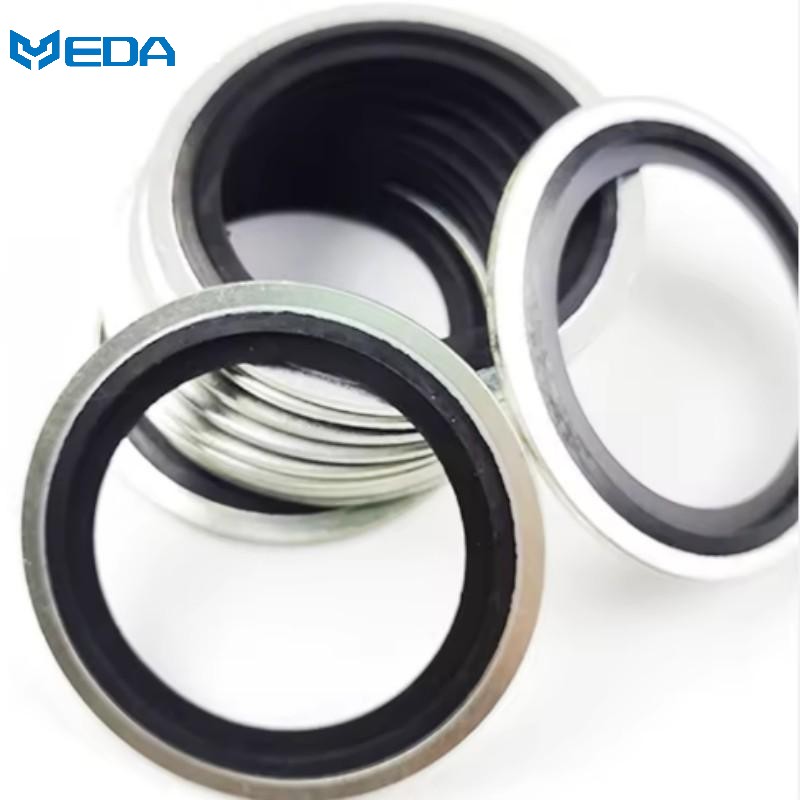
The core design of high pressure hydraulic shaft seals employs a composite structure consisting of an elastomer (to provide preload) and an anti-extrusion slipper ring or metal skeleton (to withstand high pressure and reduce friction). They are commonly used in heavy-duty rotating equipment such as hydraulic motors, high-pressure piston pumps, gear reducers, compressors, reaction vessels, and electric drive systems for new energy vehicles.
Key Parameters of Rotary Shaft Seals.
| Parameter | Specification / Requirement |
| Core Material | FKM、FFKM、PTFE、NBR |
| Certifications | ISO9001,AS9100D,RoHS2.0,UL |
| Pressure Resistance (By Material) | FKM:Pressure Resistance ≤15 MPa; FFKM:Pressure Resistance ≤20 MPa; PTFE:Pressure Resistance ≤30 MPa; NBR:Pressure Resistance ≤10 MPa; The pressure rating represents the maximum system pressure achievable under the optimal structural design for each material. Actual values may vary depending on structure type, dimensions, and operating conditions. Final specifications are subject to the approved technical solution. |
| Operating Temperature (By Material) | FKM:-20℃ to 200℃; FFKM:-20℃ to 260℃; PTFE:-200℃ to 260℃; Becomes Less Elastic at Extremely Low Temperatures; NBR:-40℃ to 120℃ |
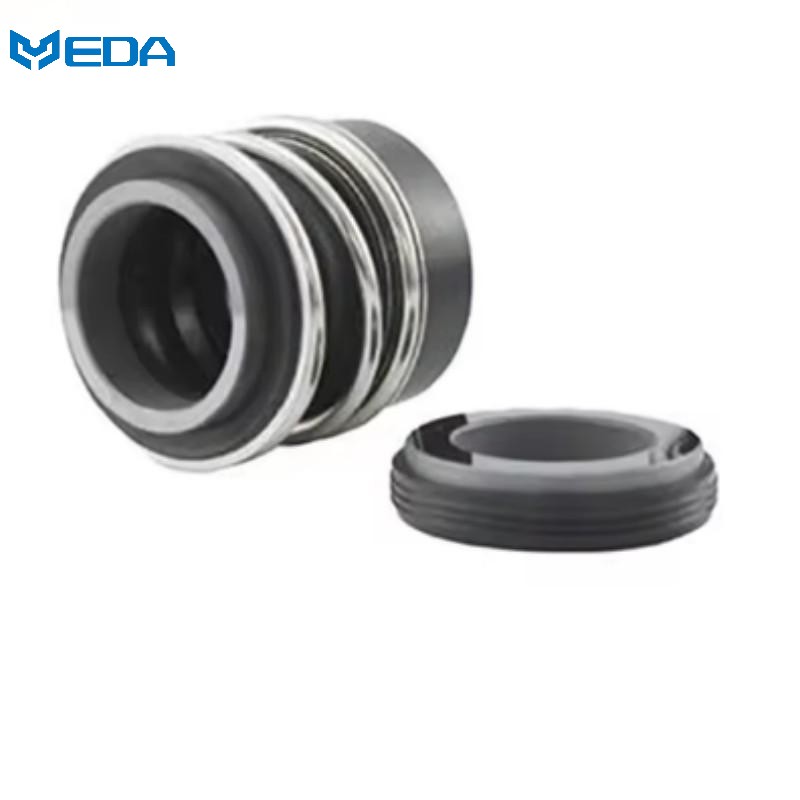
| Seal Structure Type | High Pressure Oil Seal (Double Lip / Metal Reinforced); Rotary Glyd Ring (PTFE Slip Ring + Rubber O-ring); Spring-Energized Seal (Spring + PTFE/Rubber); Mechanical Face Seal |
| Pressure Resistance (By Structure) | High-Pressure Rotary Shaft Sea:Pressure Resistance ≤15 MPa; Rotary Glyd Ring:Pressure Resistance ≤30 MPa; lSpecially Designed Mechanical Seals with Dynamic Ring, Static Ring, and Compensation Mechanism Can Withstand Pressures up to 100 MPa Under Controlled Conditions. |
| Hardness | Seal Hardness: Shore A 70–90; Shaft Hardness: ≥HRC55, Customizable |
| Linear Speed | Rubber Seals ≤5 m/s;PTFE Seals ≤15 m/s;Mechanical Seals ≤30 m/s |
| Tolerance | Manufactured According to Customer Drawing Tolerance Requirements |
| Shaft Surface Requirement | Surface Roughness: Ra 0.2–0.8 μm |
| Applicable Media | Hydraulic Oil、Gear Oil、Water Glycol、Emulsion、Acid & Alkali Solutions、Gases, etc. |
| Customization | Custom Sizes and Materials Available Based on Shaft Diameter, Pressure, Temperature, and Working Media |
| Shaft Installation Eccentricity | Controlled Within 0.05 mm–0.10 mm |
| Applications | Hydraulic Motors、Piston Pumps、Gear Reducers、Compressors and Other Heavy-Duty Equipment |
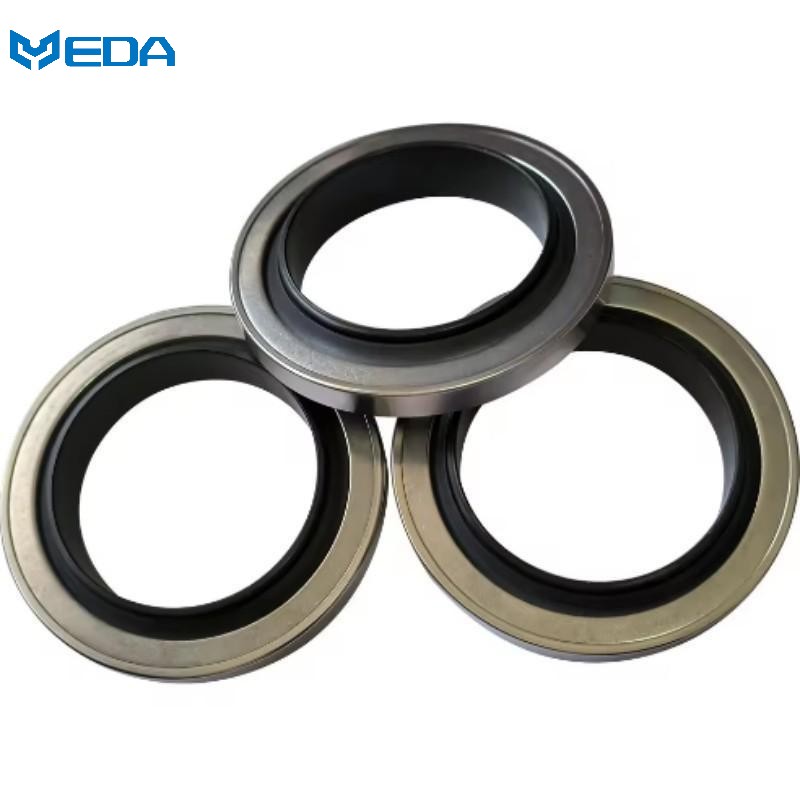
What Are the Advantages of High Pressure Rotary Shaft Seals?
1. Exceptionally wide pressure adaptability, covering all scenarios from light to heavy-duty applications.
We offer pressure solutions ranging from 10 to 100 MPa depending on the sealing structure; the 100 MPa rating applies to specially designed mechanical seals used under controlled operating conditions. By utilizing a tiered matching system across four structural types—oil seals, Glyd rings, spring-energized seals, and mechanical seals—we meet the standard requirements of medium-to-high-pressure pumps while also accommodating extreme pressure conditions found in equipment such as reactors and centrifuges.
2. Diverse material options to withstand complex media and extreme temperatures.
We provide combinations of elastomers and engineering plastics—such as FKM, FFKM, filled PTFE, and NBR—capable of operating within a temperature range of -40°C to 260°C. These materials are specifically optimized for mineral oils, acidic/alkaline solvents, and abrasive media. Notably, configurations featuring a PTFE slipper ring paired with an O-ring or a spring-energized element ensure reliable sealing under conditions involving high temperatures, corrosion, and oil-free lubrication.
3. Extrusion resistance and wear compensation design for extended service life.
We employ metal cores or anti-extrusion slipper rings for structural support, combined with elastomers that continuously compensate for wear, thereby preventing the seal from being extruded into the clearance gap under high pressure. Additionally, the design accommodates shaft surface roughness of Ra 0.2–0.8 μm to minimize frictional loss while maintaining stable leakage control at linear speeds of up to 15 m/s.
Selection Guide for High Pressure Hydraulic Shaft Seals.
1. Operating Pressure Compatibility.
Pressure ≤ 15 MPa: Select NBR or FKM oil seals.
Pressure 15–30 MPa: PTFE Glyd Ring configuration recommended.
Pressure ≥ 30 MPa: Use Spring-Energized Seals or mechanical seal solutions.
2. Media Compatibility Requirements.
Mineral oil-based media: Select NBR or FKM.
Acid/alkali or chemical solvent environments: PTFE or FFKM required.
Media containing abrasive particles: Filled PTFE recommended.
3. Motion Speed Matching Criteria.
High-speed reciprocating/rotary applications: Select PTFE composites or mechanical seal configurations.
Low-speed or intermittent motion applications: Rubber elastomer seals are suitable.
4. Temperature Environment Adaptability.
High-temperature applications (>180°C): Select PTFE or FFKM.
Low-temperature applications (< -20°C): Select low-temperature resistant NBR or silicone rubber.

About Yida Rubber.
We entered the rubber industry in 1993 and formally established the company in 2006, bringing with us over 30 years of manufacturing experience. Currently, our headquarters facility spans 37,000 square meters, employs approximately 450 people, and boasts an annual production capacity exceeding 2 billion units. We have also established a branch factory in Vietnam and a subsidiary in Japan.
Our Certifications.
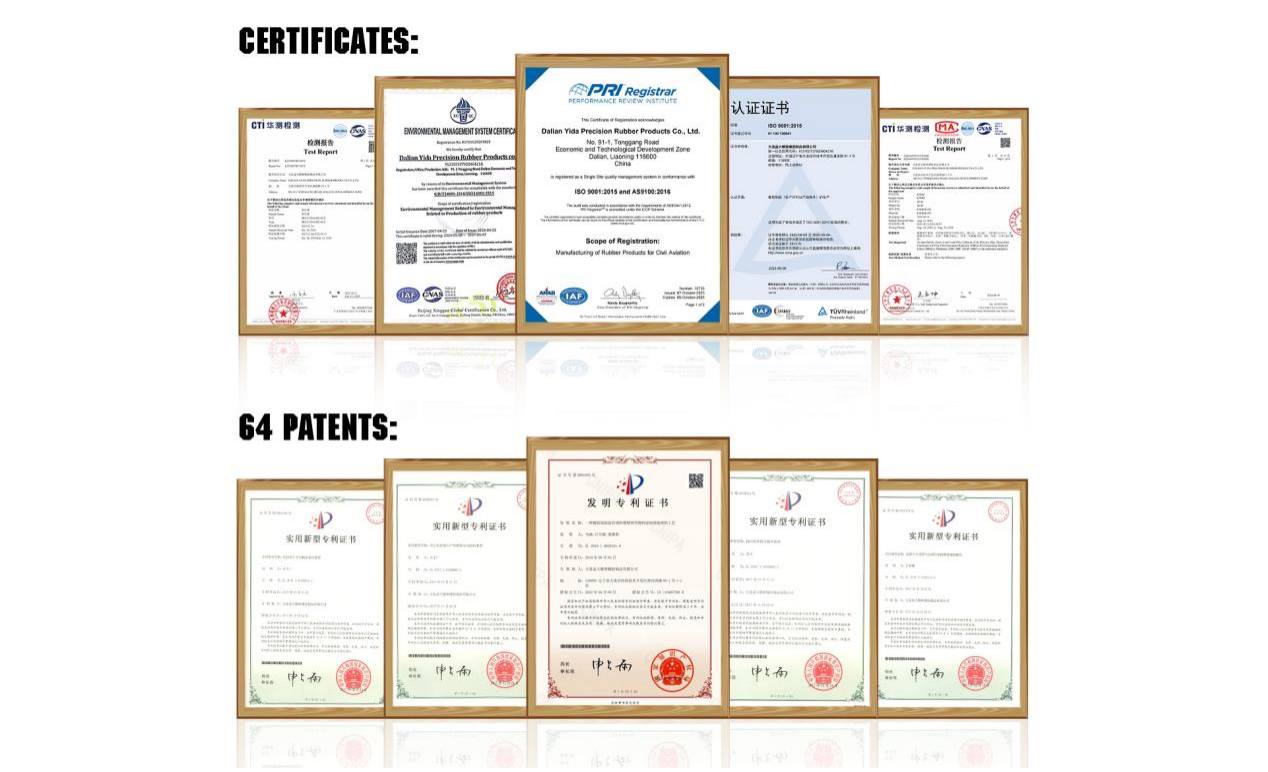
The company holds AS9100D, ISO9001, ISO14001, and IATF16949 certifications, as well as CNAS laboratory accreditation. Our products are utilized across various sectors, including semiconductors, automotive, medical equipment, aerospace, industrial automation, and new energy.
Our Guarantees:
Our standard minimum order quantity is 1,000 units, with a 15-day delivery lead time; we support land, sea, and air shipping options and provide free samples (shipping costs borne by the customer). Under recommended storage conditions (temperature <30°C, humidity <70%, away from light), if unopened products experience material failure not caused by human error within three years of delivery, we will provide a free replacement upon verification through testing.
Exhibitions We Attend:
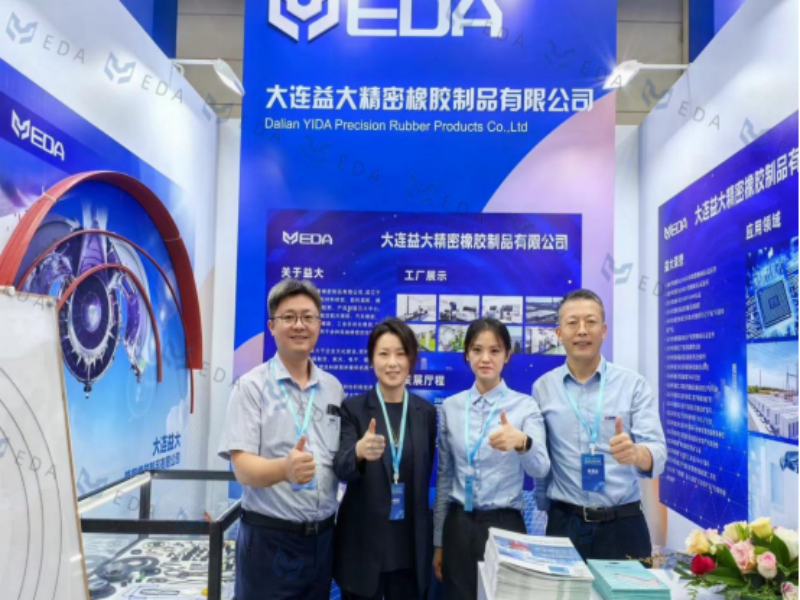
In May 2025, we participated in the 27th Dalian International Industrial Expo, showcasing domestic substitution solutions featuring high-end precision rubber products for the automotive, medical, and new energy sectors.
Our Partnerships:
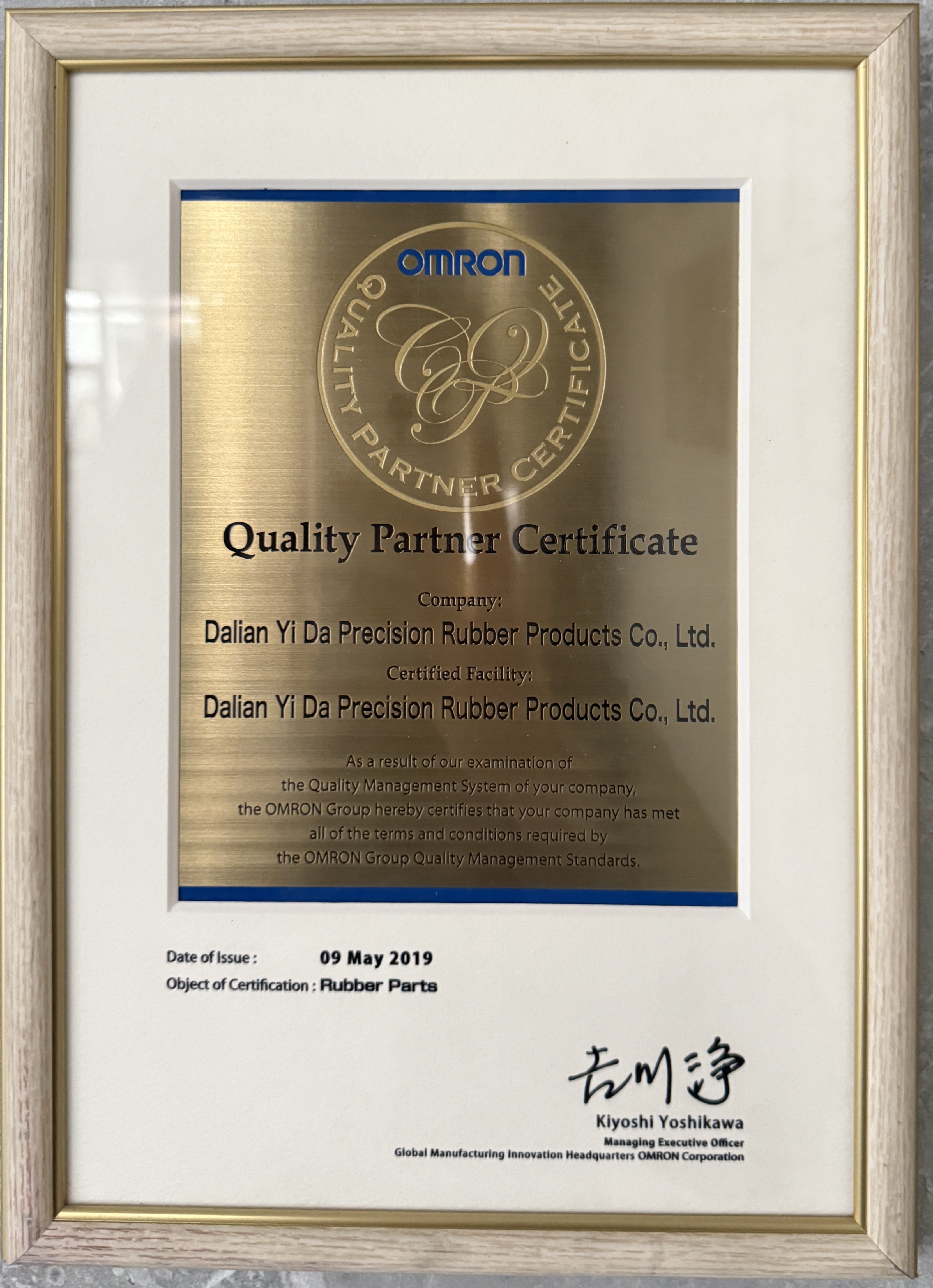
Through the aforementioned trade shows and export activities, we have established partnerships with internationally renowned brands such as Omron, Siemens, and Panasonic, and were honored with the "2023 Excellent Supplier" award by SMC. Our products are exported to markets including Europe and Southeast Asia.
FAQ:
1. Can the rotary shaft seal directly replace existing seals without design modifications?
Yes. Please provide the current seal model or technical drawings, and we will offer a direct replacement solution.
2. Can metric rotary shaft seals be used with corrosive media?
Yes. For corrosive environments—such as those found in the chemical and semiconductor industries—we recommend materials like FKM, FFKM, or filled PTFE, which are compatible with various acids, alkalis, and solvents (media compatibility is verified against chemical resistance charts).
3. What are the installation guidelines for metric rotary shaft seals?
Installation must be performed in a dust-free environment using specialized tooling to press the seal in and prevent deformation. Key steps include checking the chamfers on the shaft and housing (to prevent lip damage), ensuring concentricity, and applying a system-compatible lubricant to the lip and contact surfaces; forced prying is strictly prohibited.