How to Prevent the Failure of High Temp Silicone Gaskets in Industrial Equipment
High temperature silicone gaskets are indispensable not only in industrial production and plant maintenance but also play a vital role in sealing, preventing leakages, and dampening vibrations that lead to unwanted leaks and stable operation of the equipments. However, it is a pity that many buyers simply choose "high temp silicone gaskets" only to experience that the material after being exposed to the high temperatures during actual use will become hard, lose resilience, or even crack and crumble into powder.
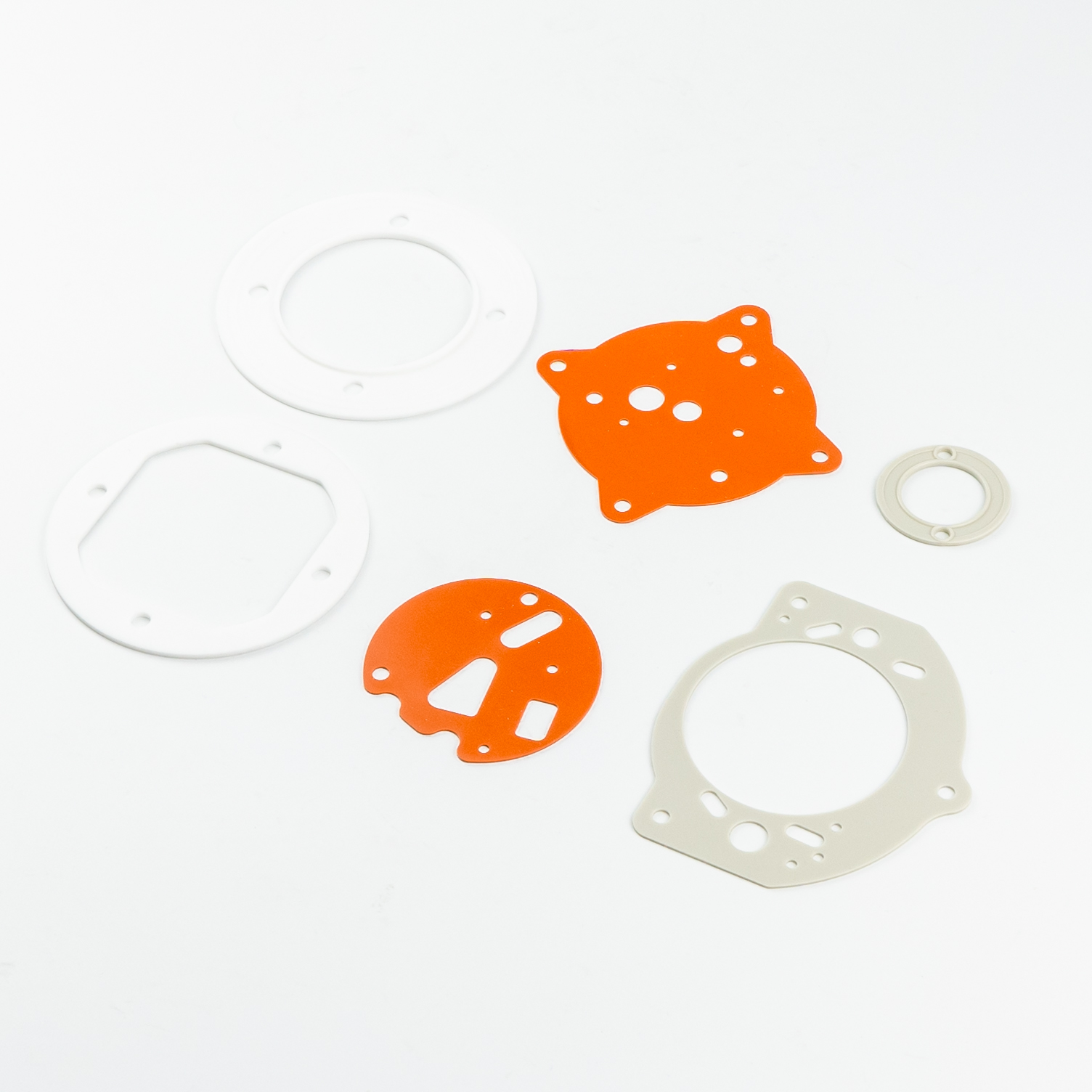
The reason for it is not poor quality of the material itself but rather improper matching of the material and operating environment. Our high-temperature silicone gaskets, are compression-molded using high-quality high-temperature silicone rubber; these gaskets are soft and have great sealing ability that is perfect for industrial use.
Selecting the Right Materials and Formulations at the Source:
1. Compression Set:
Silicone seals can gradually lose their flexibility and fail to spring back when exposed to high heat and pressure, which causes the seal to break. So, in the cause of gasket selection, focus on those pieces that have a minimum compression set and provide excellent elasticity even after a long time of being exposed to high temperatures.
The majority of off-the-shelf silicone gaskets have a temperature range from -60°C to 220°C (with short-term peaks of 250°C) and a compression set of ≤25%. Our high-temperature silicone gaskets are designed to operate at temperatures from -60°C to 250°C (with short-term peaks of 280°C) and are characterized by a compression set of ≤20%.
2. Internal Hardening and Powdering:
Some inexpensive gaskets make use of too much cross-linking agent; although their hardness is fine on the first testing, they will react further at high temperatures, resulting in hardening, cracking and powdering.
We use compression molding to make our gaskets from top-grade heat resistant silicone elastomer (which can be in the range of Shore A hardness 60 to 80), and our products do not harden, change shape, or powder when used at a temperature as high as 250°C.
3. Temperature and Medium Compatibility:
Typically, high-temperature silicone gaskets can support a temperature range between -60°C and 220°C, with short-term exposure to 250°C. Such temperature resistance is good enough for many applications. However, if you need to use high-temperature industrial equipment or ovens, it is recommended to choose gaskets with higher heat resistance.
Our products have temperature resistance capabilities of -60°C to 250°C (with short-term peaks of 280°C), hence they provide a wider temperature-media compatibility range.
Besides, it should be taken into account that high temp silicone gaskets are not recommended for use in parts that come into contact with strong acids, strong alkalis or highly polar organic solvents (such as toluene, xylene, gasoline, or diesel) because they could deteriorate the material.
Installation Essentials:
1. Clean Contact Surfaces:
Before installation, remove all old gasket material, oil, and impurities; ensure equipment surfaces are clean and dry.
2. Control Adhesive Application and Assembly:
Apply the adhesive evenly to the flange and assemble immediately before it dries. Hand-tighten until the adhesive squeezes out uniformly from the flange edges, avoiding overtightening that could expel too much material.
3. Allow Sufficient Curing Time:
High temp silicone gaskets cure by taking in moisture from the atmosphere, so they generally need 24 hours to achieve a complete cure. It is a good practice to release the gasket to cure overnight for the best results even before the equipment is in operation.
Routine Maintenance:
1. Thermal Aging:
High temperatures accelerate the aging of silicone materials. Maintain operating temperatures within recommended limits and avoid prolonged operation above the rated temperature.
2. Compression Set and Fatigue:
The repeated squeezing of the gasket may cause it to become thin and less resilient. It's a good idea to periodically measure the thickness and recovery capacity of the gasket so that the gasket can be replaced at once should the problems be detected.
3. Corrosion and Contamination:
Residues from industrial processes can corrode the gasket surface. Clean the gasket after use or employ a barrier layer (such as a protective cloth) at critical points to minimize contamination.
How to Prevent High Temp Silicone Gasket Failure in Industrial Applications?
1. Temperature Control:
Prevent heat-related damage by keeping the operation temperature well below the material's limit.
2. Compression Uniformity:
Ensure that no areas are subjected to excessive local stresses.
3. Thermal Shock Management:
Try to avoid proceeding with cycles of intense heating and cooling.
4. Hardness Selection:
Determine the hardness levels according to the internal pressure of the equipment.
High temp silicone gaskets fail rarely due to a single reason only. Most of the time, they fail because of neglects anywhere along the line of material selection, installation, and maintenance. Since industrial sites are very tough environments, our decisions and ways must be strict. The decision to get a high-temperature silicone gasket equivalent to a deciding on a trustworthy watchdog to keep your gear safe when the temperature and pressure are both high.