Compression Set Explained: The Hidden Factor That Determines Seal Lifespan
How the right material, test conditions, and manufacturing control help Yida deliver reliable rubber sealing performance
Why a Seal Can Look Perfect and Still Fail Early
A new O-ring or gasket may have the correct dimensions, a smooth surface, and the specified hardness. However, none of these checks alone can show whether the part will continue pressing against the sealing surface after months of use. This hidden ability to recover after long-term deformation is measured by compression set, one of the most important indicators of elastomer performance.
If rubber seals get pressed continuously inside a groove, the substance will weaken.
Sometimes the cross-sectional area becomes severely compressed and the contact force reduces.
Leaks can arise in such cases even if the sealing hasn't been physically damaged.
That is the main reason why the compression set directly affects the duration of a seal in static areas such as joints, pumps, valves, automotive systems, industrial machinery, and fluid-handling equipment.
At Dalian Yida Precision Rubber Products Co., Ltd., we focus on long-term recoveries in the process of compound selection, sample approval, and production control. That way, our customers won't have any defective parts that might pass an initial look but break down prematurely in service.
What Does Compression Set Mean?
Compression set refers to the percentage of a rubber sample's permanent deformation after it has been compressed for a certain period and temperature, then released to recover. Typically, the figure is shown as a percentage. A smaller percentage usually indicates that the material was nearer to its initial thickness following the test conditions.
Here is an example:A specimen originally 10.0 mm thick is compressed to 7.5 mm, resulting in a 2.5 mm deflection. Upon removal of the load and completion of the recovery phase, the specimen is found to be 9.5 mm. The non-recovered change in shape is 0.5 mm. Therefore, dividing 0.5 mm by the initial 2.5 mm deflection yields 20%.
A figure of 20% doesn't necessarily signify that the final seal will lose 20% of the service life exactly. It is a comparative result from laboratory tests. Under various change of time, temperature, specimen geometry, compression level or recovery, the same compound may lead to different values. Actually, for a reliable analysis we need not only the percentage but also the full test conditions.
Why It Determines Seal Lifespan
A static seal relies on the elastic reaction force of the rubber to continue pressing against the surfaces it mates with. As the material continues to relax, a reduction in sealing pressure occurs. If the force left is insufficient to handle surface irregularities, changes in pressure, vibration, or thermal expansion, then a leak path may be formed.
A figure of 20% doesn't necessarily signify that the final seal will lose 20% of the service life exactly. It is a comparative result from laboratory tests. Under various change of time, temperature, specimen geometry, compression level or recovery, the same compound may lead to different values. Actually, for a reliable analysis we need not only the percentage but also the full test conditions.
Yida combines the recovery result with hardness, fluid compatibility, temperature resistance, groove design, and the customer's working cycle, giving buyers a more realistic basis for selection.
How the Test Is Performed
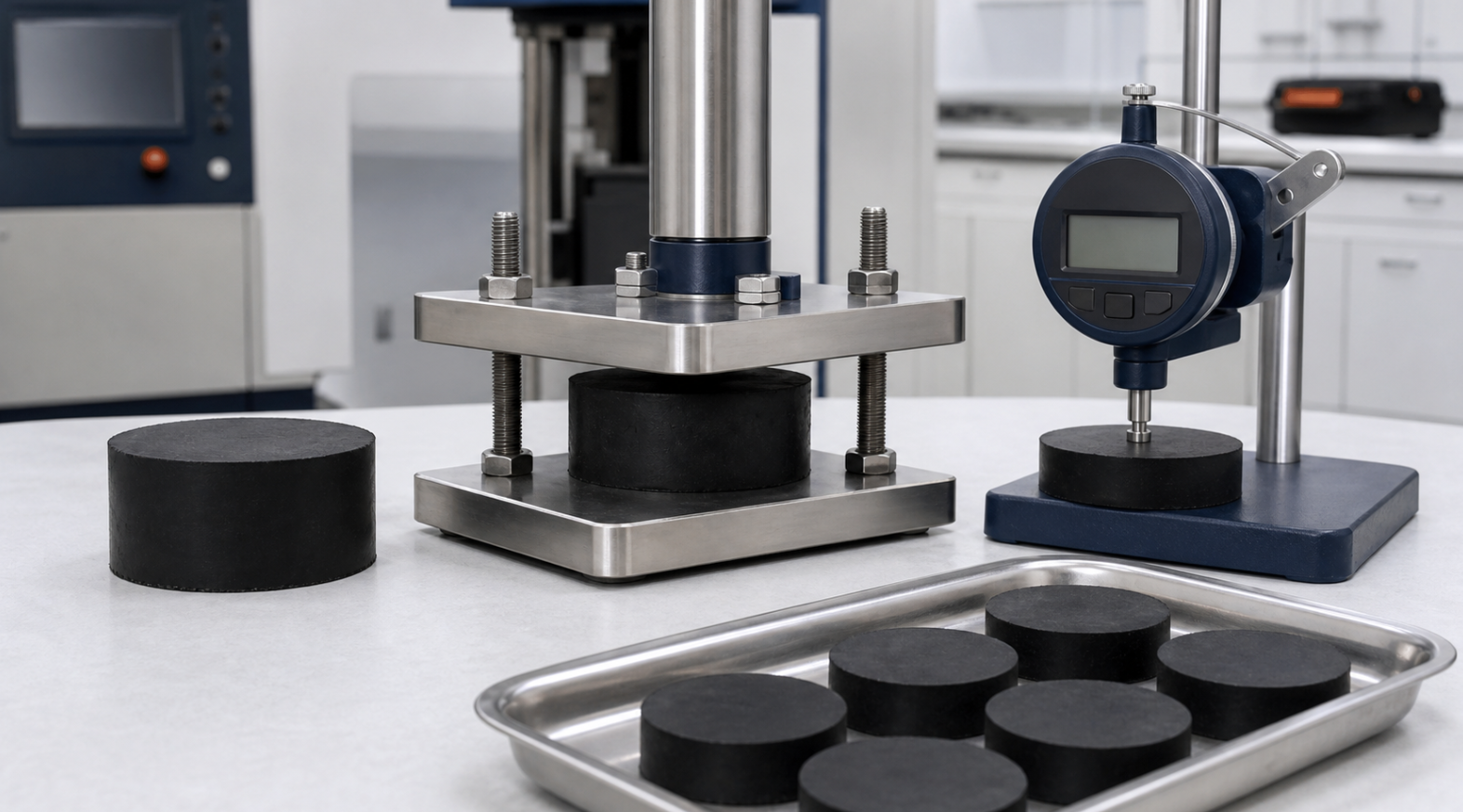
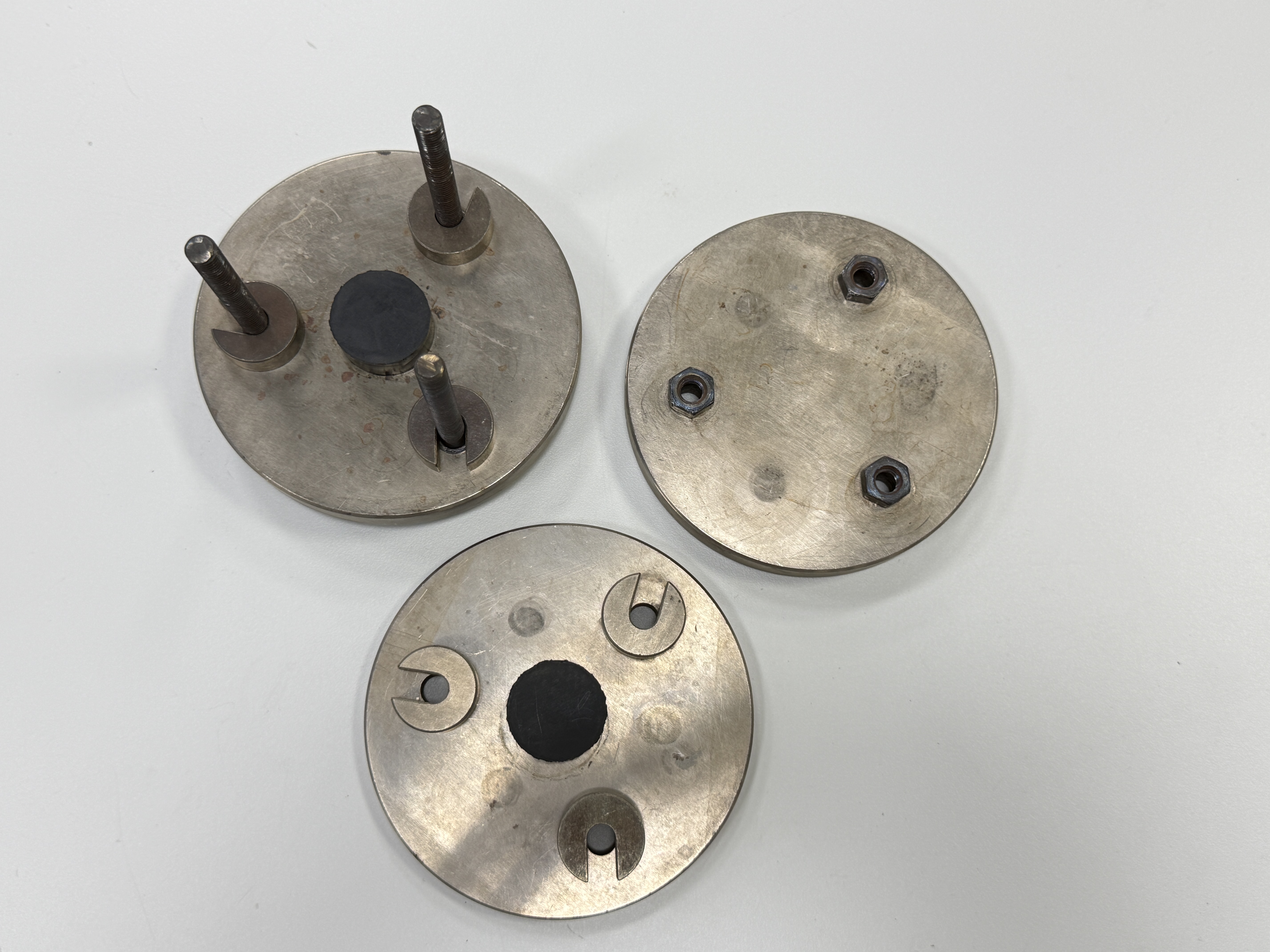
Common methods include ASTM D395 and ISO 815-1. Generally, a standard sample is first measured for its dimensions. Then it is sandwiched between two compression plates separated by spacers. It is compressed by a certain amount and kept at a specific temperature for a certain time. After removal and recovery, the final thickness is measured and the percentages are calculated.
One frequently used screening condition is 22 hours at 70°C or 100°C, but demanding applications may require longer durations or higher temperatures. A project specification might require a result below 25% after 22 hours at 100°C. That limit can be reasonable for a particular compound and application, but it should not be copied into every drawing without technical review.
Specimen type also matters. Yida can confirm whether the acceptance value applies to a standard test specimen or the finished product.
Five Factors That Change the Result
Material family is the first factor. NBR, EPDM, silicone, and FKM have different molecular structures and temperature capabilities. Even within one material family, polymer grade, filler system, plasticizer, curing system, and post-curing can significantly change elastomer performance.
Temperature is the second factor. Recovery normally becomes more difficult as test temperature rises toward the compound's practical limit. Time is the third factor: 70 hours can reveal behavior that a 22-hour test does not. Compression level is the fourth factor because greater deformation may accelerate stress relaxation. The fifth factor is the testing and conditioning procedure, including specimen thickness and the delay before final measurement.
For this reason, two supplier reports should be compared only when the conditions match. A result of 15% at 70°C cannot automatically be considered better than 22% at 125°C. Yida records the agreed conditions during project review so that sample data and production requirements remain consistent.
Typical Material Considerations
NBR is one of the main types of rubbers used to make oil resistant rubber seals, and the working temperature range of NBR rubbers is generally about -30°C to 100°C depending on the formulation. EPDM is a good choice for water, steam, weather and ozone exposer, and most of the EPDM rubber compounds are used in temperature range from about -40°C to 125°C. Silicone can stay flexible even at very low temperatures and can be used for temperatures up to around 200°C. FKM is a very good choice for hot oils, fuels, and chemically aggressive environments, as the temperature can also reach about 200°C in suitable formulations.
These ranges are general references, not guaranteed limits. The working fluid, pressure, duration, movement, and compound recipe must be considered. A material with excellent high-temperature resistance can still be unsuitable if it swells in the actual fluid. Likewise, a low compression set value is not useful if the seal lacks the required tensile strength, hardness, or chemical compatibility.
Yida reviews the complete application and helps customers balance recovery, media resistance, temperature, hardness, manufacturability, and cost.
How Yida Controls Performance in Mass Production
The result of a strong sample is just the beginning. In a bulk rubber seal order, consistent output requires not only knowing the raw materials but also considering factors such as mixing stability, storage conditions, temperature of the mold, curing time, pressure, thickness of the parts, and post-curing, if necessary. Even minor changes in the process can affect crosslink density and long-term recovery.
Yida links the authorized material and sample with regulated production conditions.
It is possible to specify critical parameters, dimensions, hardness, and appearance standards in the inspection plan.
test reports or retained samples can be used for batch comparison and traceability if a project needs further verification.
Direct coordination between material selection, tooling, production, and quality inspection helps ensure that the final shipment remains aligned with the approved version.
What Buyers Should Specify Before Ordering
Before confirming a bulk rubber seal order, provide the drawing or sample, material preference, target hardness, service temperature, contact medium, pressure, static or dynamic condition, expected quantity, and required standards. If a compression set limit is required, state the test method, temperature, duration, compression level, specimen type, recovery time, and maximum percentage.
Simply saying 'low compression set' can be very vague and is open to interpretation. Measuring and defining the requirement, as in the example 'maximum 25% after 22 hours at 100°C according to the agreed method' leaves no doubt on the fixed target for the two parties. After the value is set, then it has to be thoroughly checked whether it is both realistic and relevant to the application before it can be turned into a production requirement.
Yida can help customers translate working conditions into a practical material and inspection plan. Clear specifications reduce repeated sampling, shorten approval time, and make the quotation more accurate.
Choose Recovery You Can Rely On
Compression set is hidden because it cannot be judged reliably by color, surface, or hand feeling. Yet it can determine whether a seal maintains contact pressure or becomes permanently flattened. Buyers who include recovery in the qualification process are better prepared to protect seal lifespan and total equipment reliability.
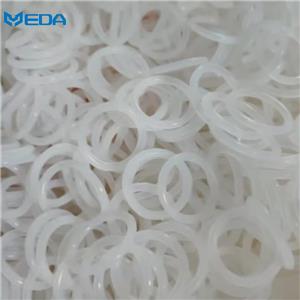
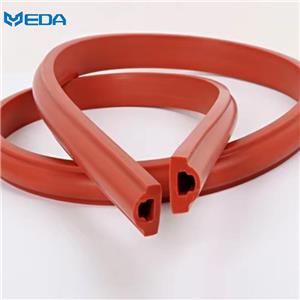
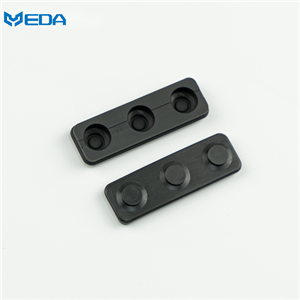
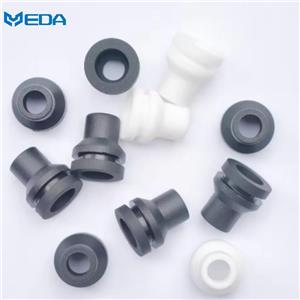
Yida offers a global range of O-rings, gaskets, oil seals, rubber washers, and custom molded rubber components. Our workflow begins by understanding the application, selecting suitable materials, sample creation, and measurement which all lead to a highly regulated production, yielding top-grade rubber seals in bulk.
If you send us your sketch, sample, working conditions, desired quantity, and testing specifications, our team at Yida will analyze your project and offer a viable solution for material choice, sampling, and mass production.