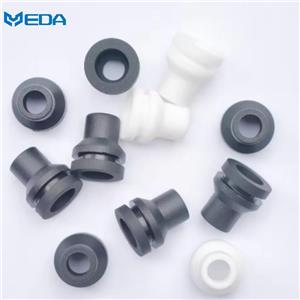
Precision Plastic Tooling Part

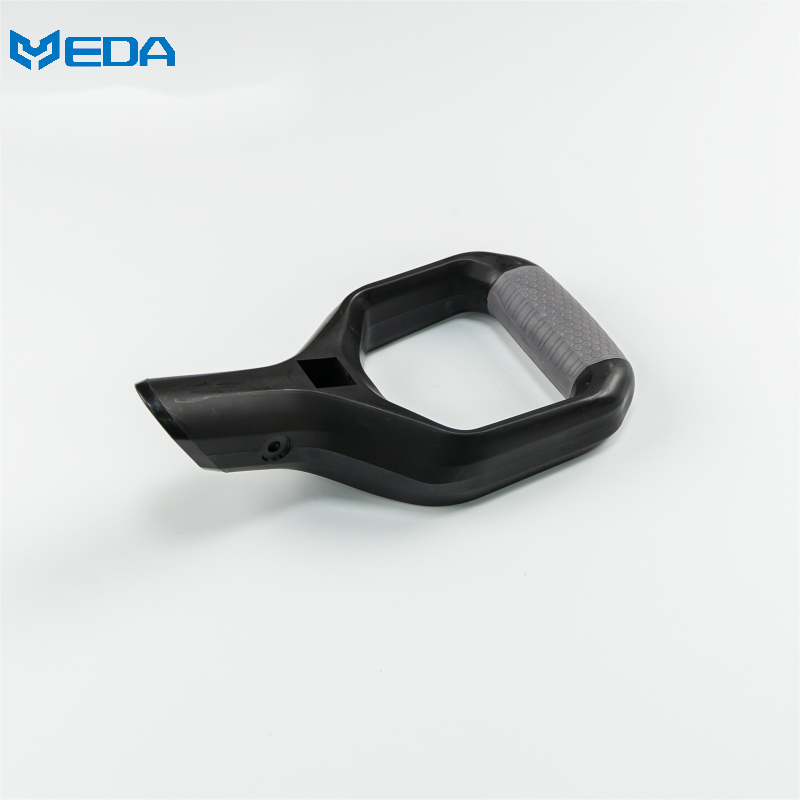
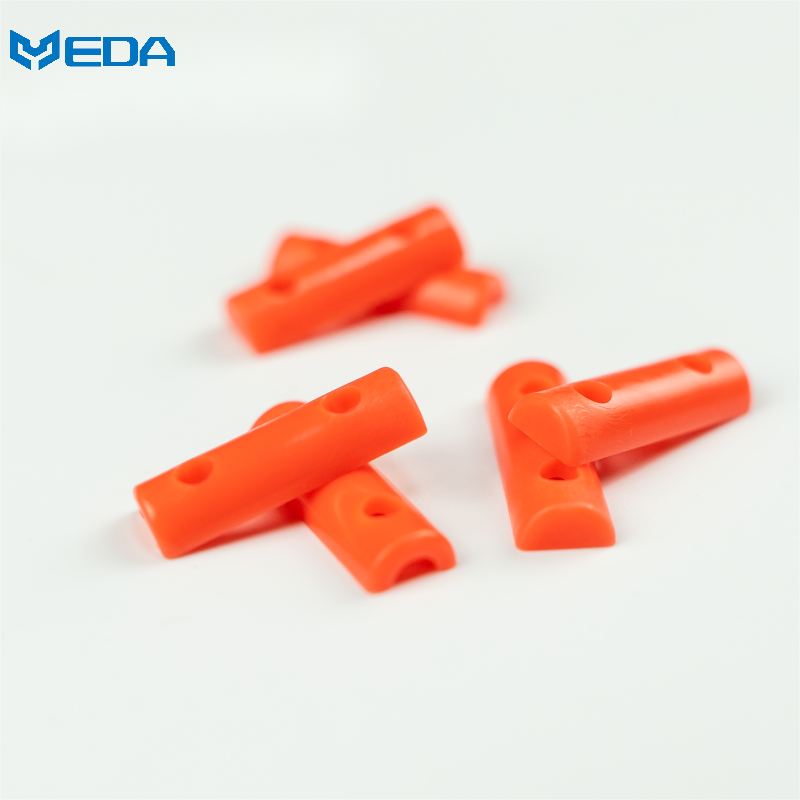
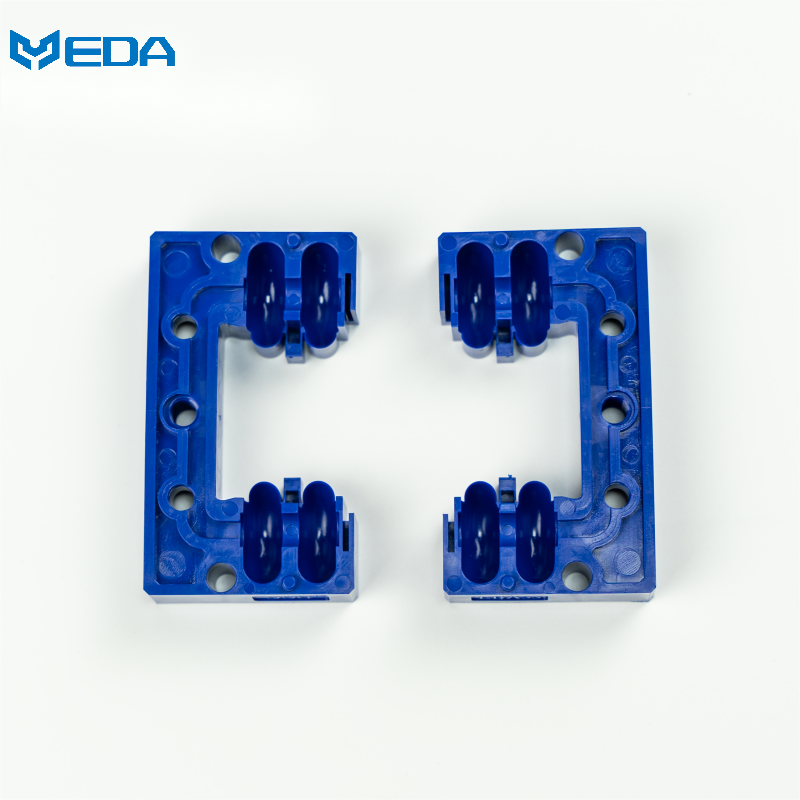
- YiDa
- Dalian,China
- 15-20 days
- 2 billion/year
1. We meet tolerance levels of ±0.002 mm and geometric accuracy of ≤0.003 mm, which guarantee the ability to interchange parts.
2. Our high-accuracy injection molds apply a comprehensive line of heat-resistant, corrosion-resistant, and wear-resistant materials including SKD61, S136, and Cr12MoV, etc.
3. We follow the quality control system of IATF 16949 and can achieve surface roughness as low as Ra ≤0.008 μm for optical-grade molds.
During the production of molds or their maintenance on a large scale, have you ever been faced with a situation where your injection molding machine was down for a long time simply because the spare parts were not precise enough? This is usually the situation when the parts do not fit at all or do not meet the accuracy requirements after being installed.
We Offer a Solution to Address This Issue.
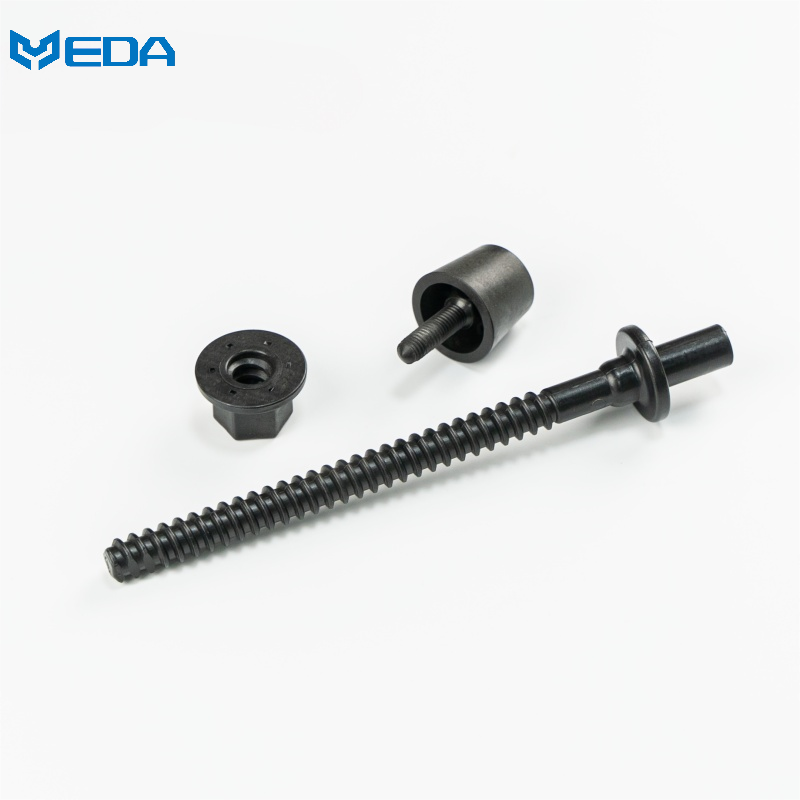
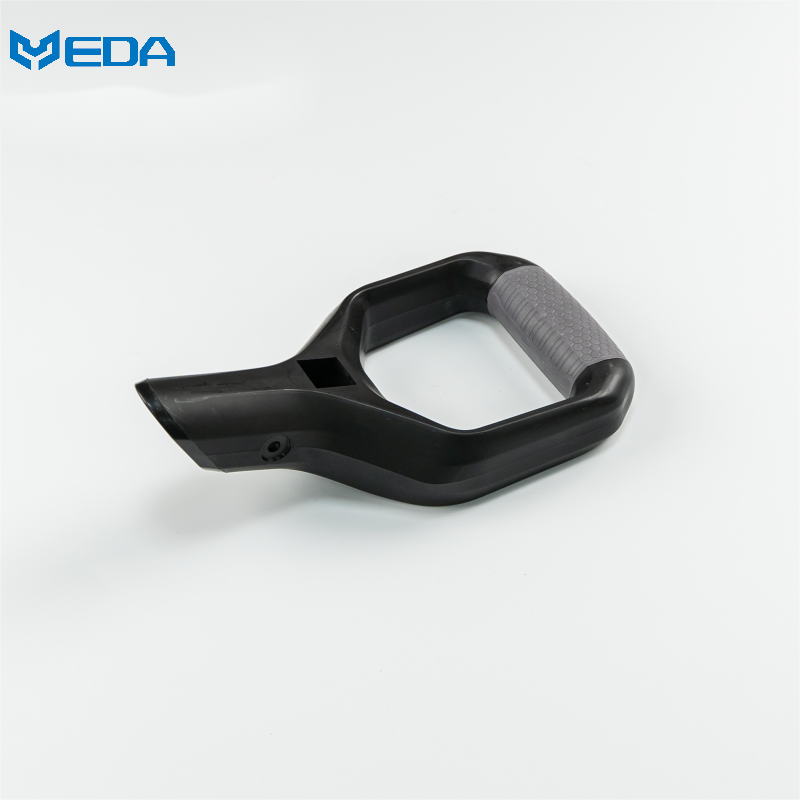
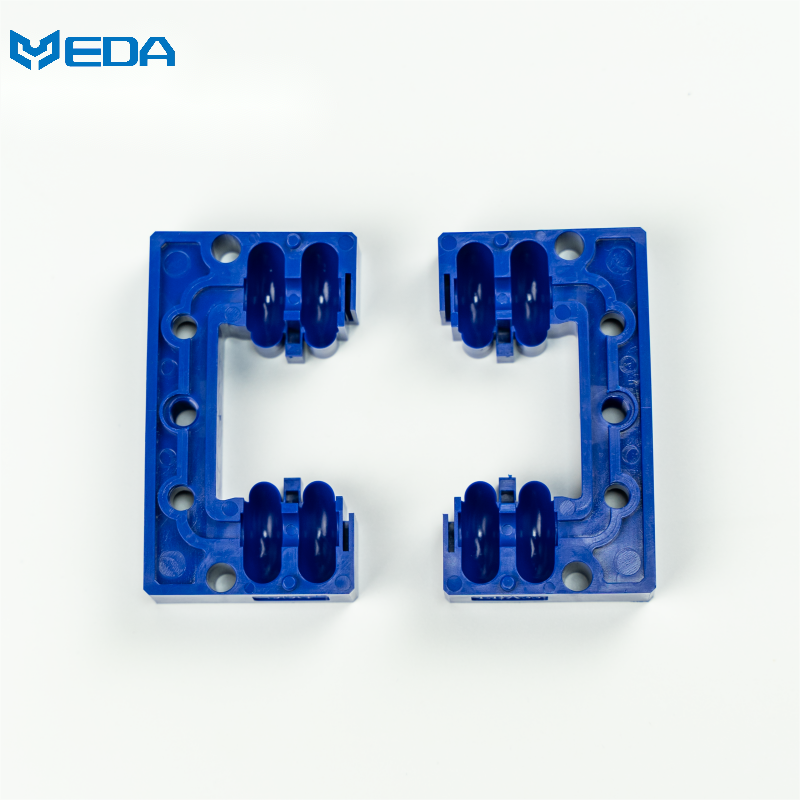
We manufacture core parts of the highest precision for plastic injection molds. Made from premium materials and with superior accuracy through machining, they possess remarkable wear resistance and can be used in a broad selection of precision molds. These parts guarantee precise molded dimensions, top-notch surface quality, and steady performance in large-scale production. Thus, they become indispensable elements for sophisticated injection molding processes.
Product Specifications:
| Item | Specifications |
| Material | SKD61, S136, NAK80, Cr12MoV, P20, Brass/Beryllium Copper |
| Hardness | SKD61 (after quenching & hardening): 48–52 HRC; S136 (after quenching & tempering): 48–52 HRC; NAK80 (pre-hardened): 38–42 HRC; Cr12MoV (after quenching & tempering): 58–62 HRC; P20 (pre-hardened): 28–32 HRC; Brass/Beryllium Copper: Beryllium Copper (after age hardening): 38–42 HRC |
| Mirror Polish | Ra ≤ 0.008 μm |
| Processing Type | CNC milling, CNC turning, grinding, wire-cut EDM, EDM, polishing |
| Surface Treatment | Mirror polishing, nitriding, DLC, TiN, PVD, hard chrome plating |
| Processing Condition | Ra 0.2–0.8 μm |
| Maximum Processing Size | 800 × 600 × 400 mm |
| Minimum Hole Diameter | Φ0.2 mm |
| Dimensional Tolerance | ±0.002 mm |
| Mold Structure | Small precision molds, large-scale production molds, two-color molds, overmolding molds, etc. |
| Parallelism | ≤0.003 mm |
| Perpendicularity | ≤0.003 mm |
| Concentricity | ≤0.002–0.003 mm |
| Certification | ISO 9001, IATF 16949 |
Product Advantages:
1. Precision manufacturing at the micron level ensures molding accuracy and component interchangeability.
Utilizing the latest production techniques, we are able to keep the dimension variations as close as ±0.002mm. At the same time, we carefully manage the parallelism and perpendicularity so that they are ≤0.003mm. Such a precision up to a micron level is very essential not only for the correctness of key dimensions in plastic injection mold tooling but also for the parts to be interchangeable in a standard way. So, in a typical case, when molds are serviced or parts are replaced, there is hardly any need for secondary fitting or grinding, thus leading to less downtime.
2. Comprehensive material selection strategy to withstand high temperatures, corrosion, and repetitive wear.
We have a wide variety of material solutions that will stretch even the most specific plastic molding conditions right from the SKD61 (heat and fatigue resisting), S136 (corrosion and mirror-finish resistant), to Cr12MoV (high wear resistance) range. We not only give our products a very accurate heat-treatment (quenching and tempering) but we thereby create a resistance against the galling, chipping, and deformation of parts during the heavy injection and the opening/closing of the repeated mold cycles.
3. Mirror-finish surface treatment technology.
We use precision grinding, mirror-finish EDM, and professional mold polishing. Furthermore, we can even put on different surface layers like DLC, PVD, hard chrome plating, or nitriding. They can help reduce the appearance of defects such as flash or pitting on the transparent parts, optical lenses, or glossy surfaces of the cosmetic components. Also, surface treatments of molds increase their resistance to wear and scratches, hence, prolong the working time of the mold during the production process.
4. Quality control and flexible customization to support stable mass production and complex structural requirements.
We monitor our whole line of operations, starting from raw material intake, heat treatment (stabilization of SKD61 at 48-52 HRC is just one example of very tightly controlled hardness uniformity), precision EDM and wire cut machining, very strictly following the quality standards ISO 9001 and IATF 16949.
We provide flexible customization for non-standard and complex/complicated geometries including parts for two-shot and overmolding satisfying service life requirements of hundreds of thousands up to millions of cycles (material and operating conditions dependent).
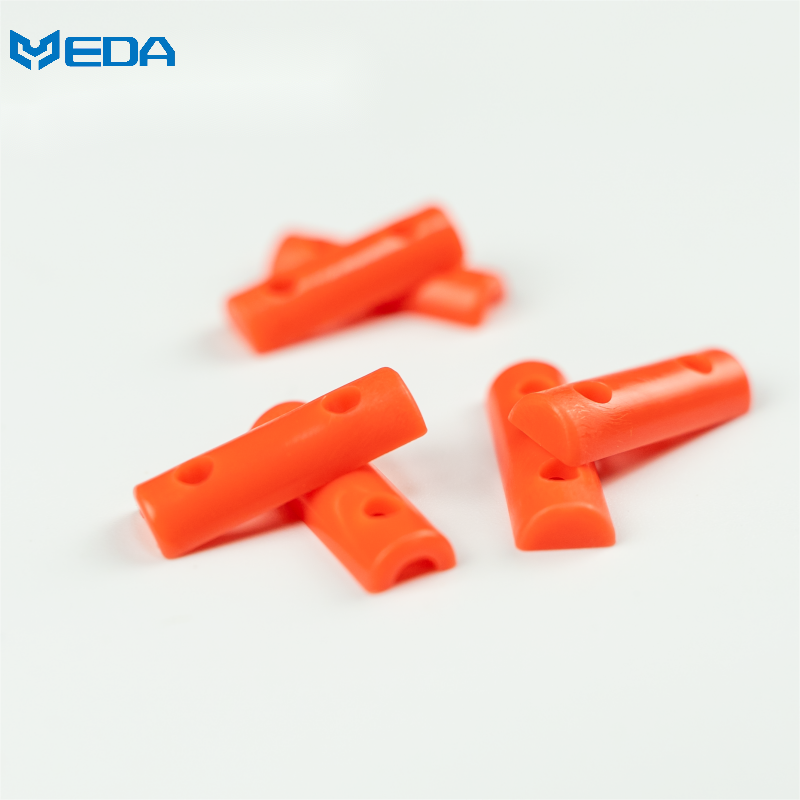
Our High Precision Injection Molds Are Designed for Applications Requiring Exceptional Dimensional Stability, Superior Surface Quality, And Consistent Functional Performance. Typical Application Areas Include:
·Home Appliances & Consumer Electronics: High gloss finish parts, thin-walled structural elements, and weather-proof functional components;
·Automotive Industry: Interior functional parts, precision-fit exterior parts and temperature- and oil-resistant system parts;
·Smart Devices: Accurate casings for electronic and digital commodities and condensed in-house connection arrangements.
·Medical & Instrumentation: Plastic components that are biocompatible, parts that are transparent and of optical grade, and core parts for instruments with a high level of repeatability;
·Consumer Goods: Cosmetic packaging with high surface finish and precision thin-walled containers.
About Yida Rubber.
Corporate Strength and Production Scale:
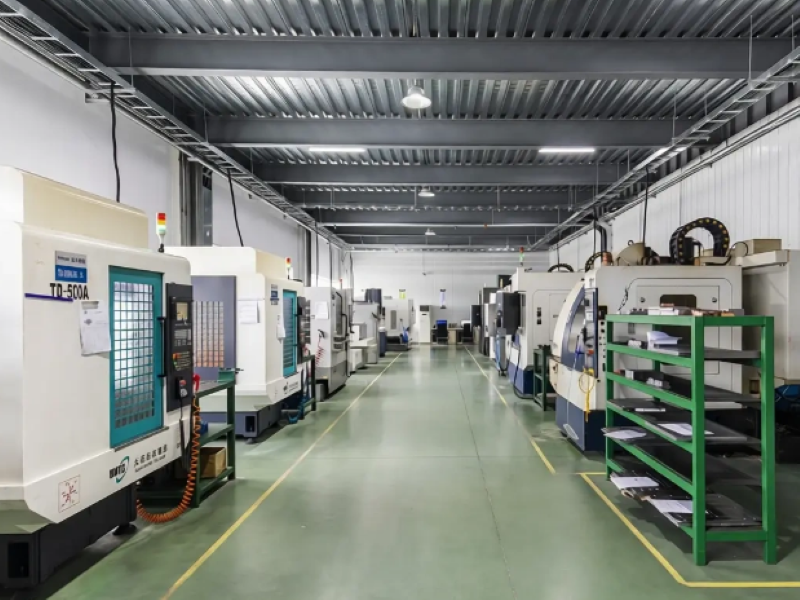
We began working in the industry in 1993 and officially founded the company in 2006, imparting over three decades of manufacturing expertise. Our manufacturing unit covers 37,000 sq.m. with a team of 450 skilled personnel. Supported by a strong production setup, our yearly capacity is more than 2 billion products.
Besides this, we also run a precision mold component machining department that is fitted with a variety of high-speed CNC machines, wire-cut EDMs with slow feeding, mirror finish sinker EDMs, jig grinders, and CMM inspection equipment. We can machine nearly any type of core plastic mold component like inserts, cores, cavities, sliders, ejector pin plates, and positioning blocks.
International Quality and Certifications:
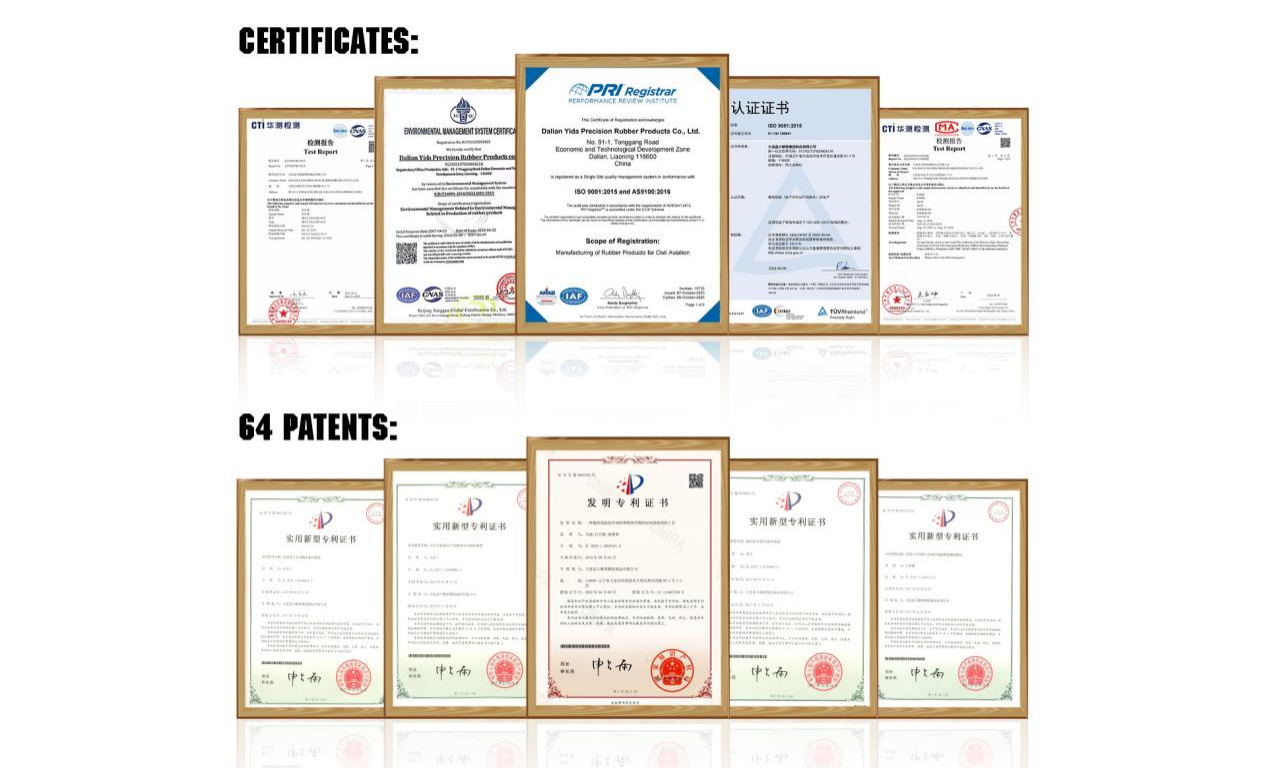
Our company has internationally recognized management system certifications such as ISO 9001:2015, ISO 14001:2015, and IATF 16949:2016. Additionally, the laboratory of our company has been accredited by CNAS. We rigorously adhere to EN549, RoHS 2.0, and REACH regulations, thus even raw materials and finished products are thoroughly tested.
Global Partnerships and Market Reach:
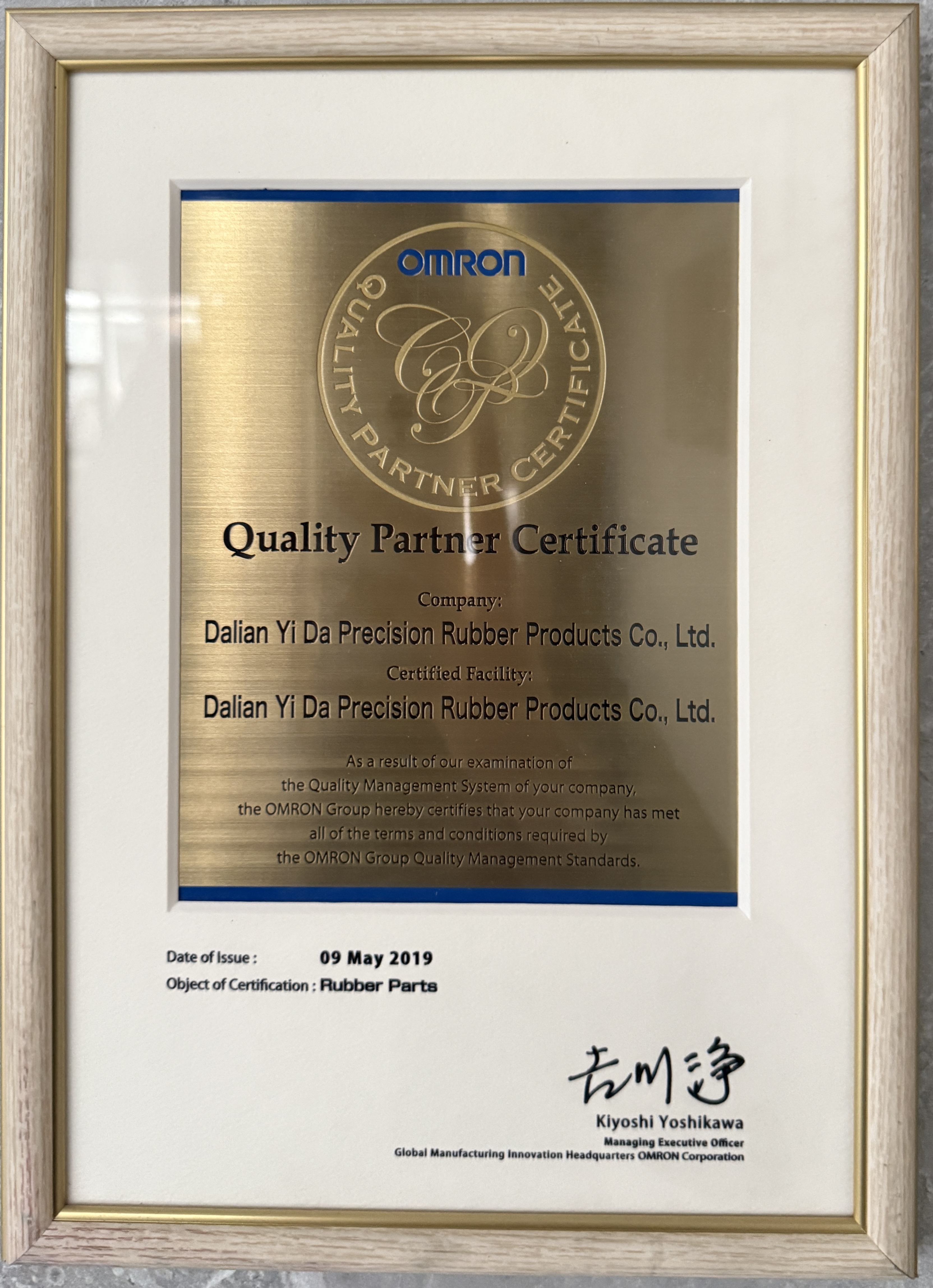
For many years, we have worked with many famous brands both here and abroad such as SMC, Omron, Siemens, and Eppendorf. SMC has honored us with their "Excellent Supplier of the Year" award, and Omron has recognized us as their "Global Strategic Partner," which shows how much our customers value our products and services. Besides that, our products also go to the US, Japan, the UK, and Switzerland, as well as parts of Southeast Asia and Europe, so we are a global company in the real sense of the word.
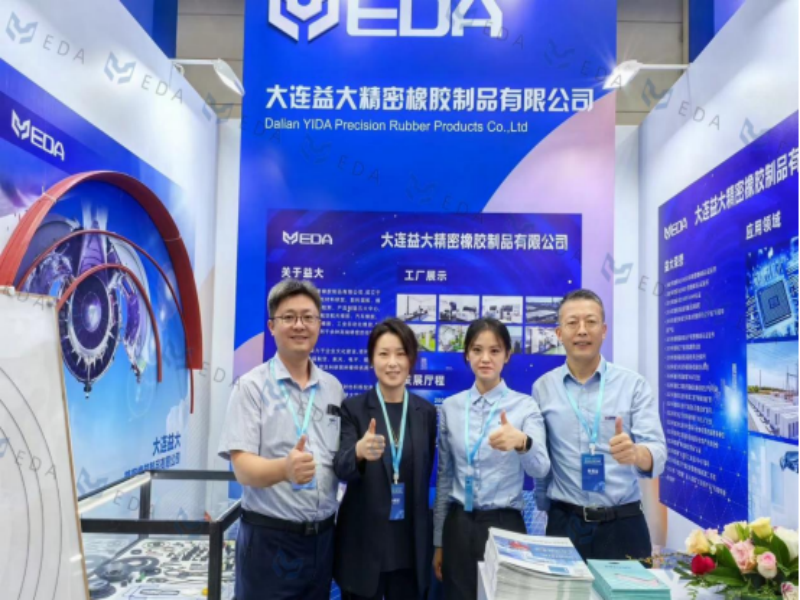
International Exhibition: The 27th Dalian International Industrial Expo.
This exhibition was a very good platform for us to have a direct connection with manufacturing demands in Northeast Asia and the Yangtze River Delta and to be able to enter the international markets. With the advantage of our 30+ years technical expertise and a product portfolio of over a thousand material formulations, we launched our full-on "digital-intelligent" capabilities—everything from precision manufacturing to CNAS-certified laboratory testing—among the nearly 900 global enterprises.
FAQ:
1. Certain materials used in precision plastic injection molding can be corrosive to mold components; what solutions do you offer?
S136 steel or the steels coated with PVD/DLC should be your first choice. Their corrosion resistance is greatly enhanced which means that you can use them for molding processes with glass fibers, flame retardants, or even corrosive gases.
2. Can specific areas be excluded from the surface coating process?
Yes, we indeed can provide support for localized protection, selective coating, or masking. It would be great if you could mention these requirements on the drawings or specify them at the time of placing order.
3. Do the dimensions of precision molded plastic parts change after DLC or PVD coating? Does this affect fit accuracy?
The coating thickness ranges between 1 and 3 μm in most cases. We make an extra provision for the coating when doing the finishing stage, so that the final dimensions indeed stay strictly within the ±0.002 mm tolerance band post-coating, i.e. there is no compromise in assembly interchangeability.