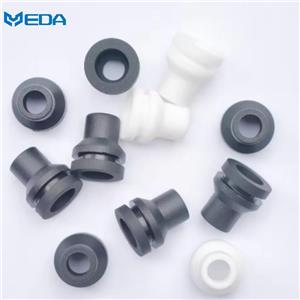
Plastic Injection Parts

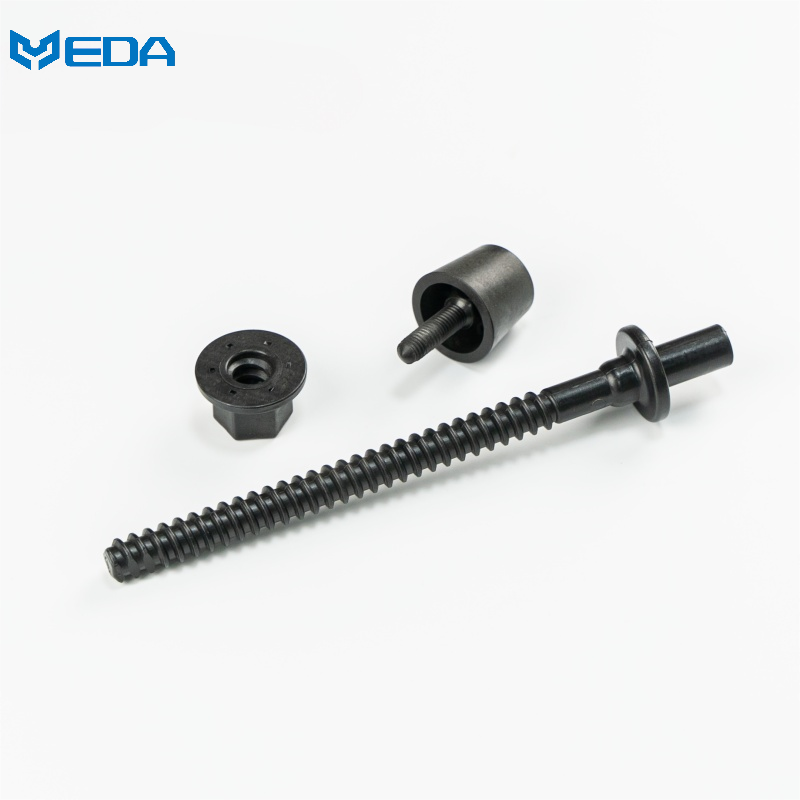
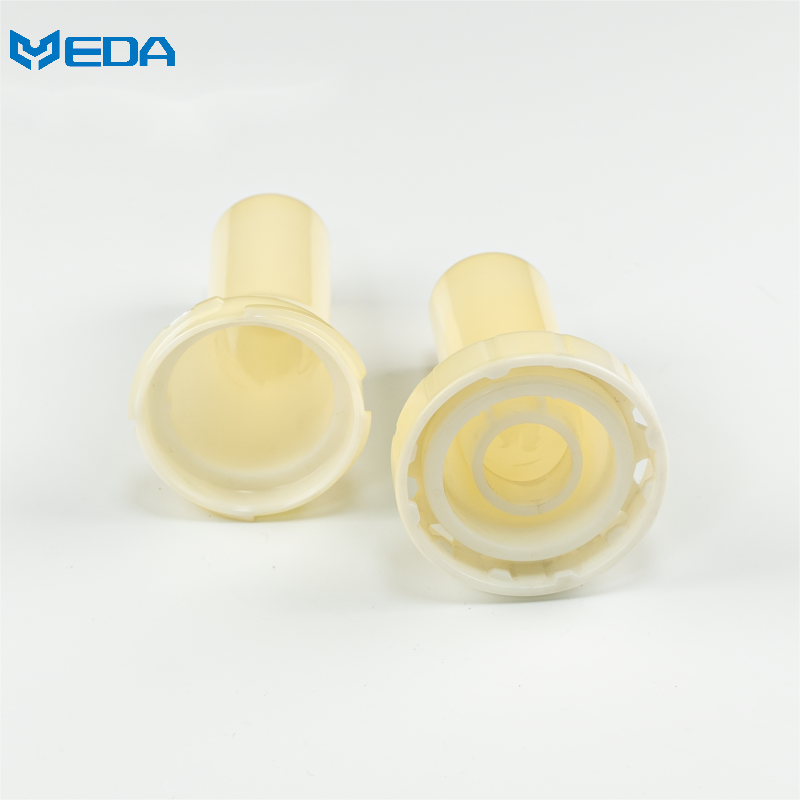
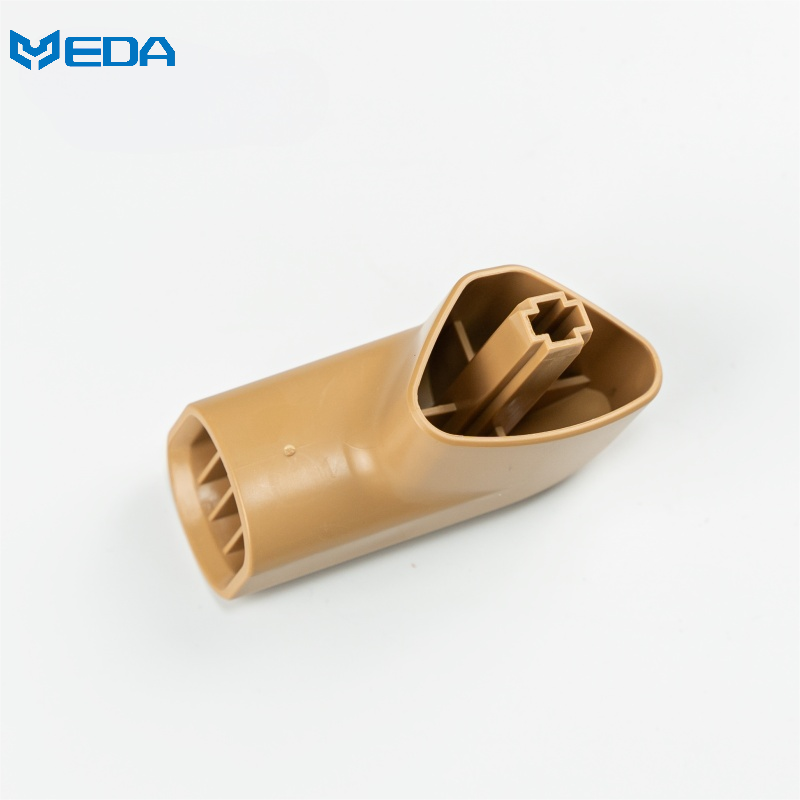
- YiDa
- Dalian,China
- 15-20 days
- 2 billion/year
1. Our plastic injection parts are made from a wide variety of materials for example ABS, PA, and POM. Most of the time, specifications can be adapted to the requirements of the particular working environment.
2. Plastic parts are made by injection molding; at the same time, only one molding step takes place. Dimensional tolerances for small, precision parts can be maintained within ±0.05 mm (specific tolerances depend on the product size, materials, and drawing specifications).
3. Besides insert molding and two-shot molding, we also overmolding and rubber seal integration work to produce complete sealing assemblies.
Purchasers in the field of industrial plastic components and sealing assemblies have for a long time experienced difficulties with dimensional accuracy, process stability, development timelines, and compliance costs. Most of the injection molded parts available in the market are characterized by considerable dimensional variations from batch to batch, inconsistency in surface quality, and a lack of proper validation of compatibility with special media, which all make it quite challenging to achieve stable sealing performance over the long term.
One way we make sure the quality of our injection molded parts is maintained is by using a high-temperature melt and high-pressure injection molding process which not only lead to production of our parts that are consistent in dimension from one batch to another but also help in keeping the dimensions strictly within the tolerance limits. Besides, the integrated molding process totally eliminates the joints and deformations produced by multiple step processing, thus resulting in a smooth surface. With surface finish from Ra 0.8μm to 3.2μm, these molded parts provide very accurate dimensional stability at the mating surfaces which in turn effectively reduces the chances of leakage and ensures long-term sealing performance.
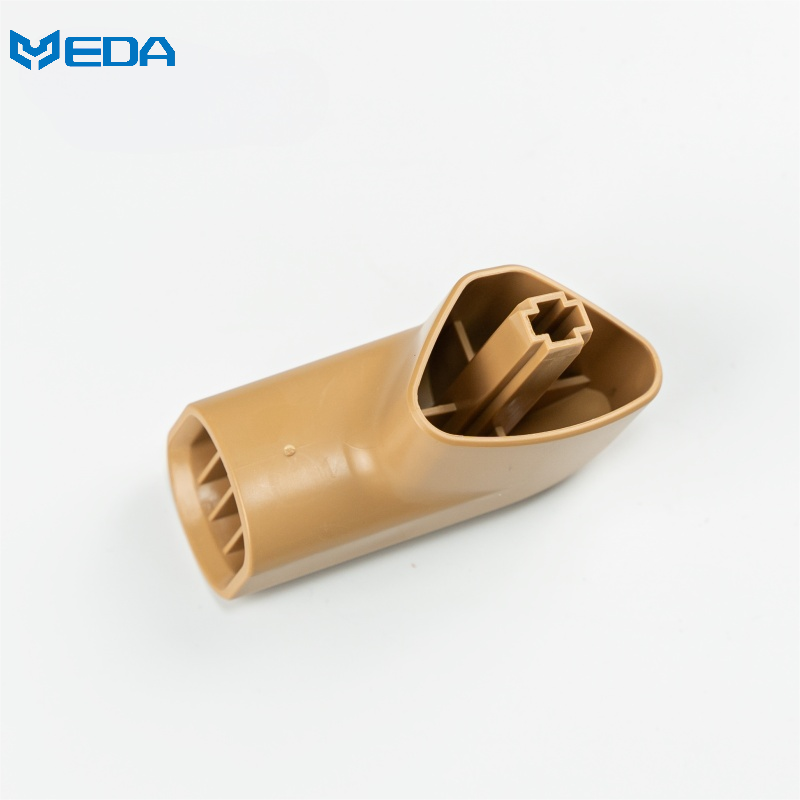
Introducing Molded Plastic Parts.
These parts are made by heating the basic materials of plastic till they are melted and then using a process where it is injected in a die at very high pressure to give a single, integrated form. They have a uniform design, accurate size, and the quality is the same from batch to batch. They can be used as the main parts, support parts, bases for sealing, and parts for assembling and they also fit with the assembly of different systems such as electromechanical equipment, automotive parts and instruments.
| Item | Specifications and Details |
| Common Materials | ABS, PC, PVC, PP, PA, TPE, POM |
| Color | Black, Orange, Green, etc. (Customizable upon request) |
| Hardness Range | Hardness varies depending on the material (Shore A or Shore D) |
| Flame Retardancy Rating | Materials meeting UL94 V0 standards are available (depending on material grade) |
| Temperature Resistance Rating | -40℃~120℃ (depending on material) |
| Injection Molding Mode | Supports insert molding, two-color injection molding, and overmolding |
| Max. Shot Weight | Customizable upon request |
| Max. Mold Size | Customizable upon request |
| Surface Finish (Ra Value) | 0.8μm~3.2μm |
| Dimensional Tolerance | ±0.05mm (depending on product size) |
| Tensile Strength | 25MPa - 100MPa (depending on material) |
| Environmental Compliance | Materials compliant with FDA, RoHS 2.0, and REACH requirements are available. |
| Compatible Media | PP: Water, weak acids and weak alkalis; PA/POM: Lubricants, greases, and organic solvents; PC: High-temperature fluids and high-pressure gases; (Applicable media mainly depend on the type of plastic resin; please consult us for details.) |
| Manufacturing Process | Raw material drying, injection molding, pressure holding, cooling, demolding, trimming, and testing. |
| Insulation Properties | Yes |
What Are the Characteristics of the Common Raw Materials Used for Plastic Injection Parts?
| Raw Materials | Key Characteristics | Typical Applications |
| ABS | High hardness, good toughness, easy to color | Priority for housings, enclosures, and general structural components |
| PP | Lightweight, temperature resistant, acid and alkali resistant, high toughness | Home appliance parts, brackets, and spare parts |
| PA | Wear-resistant, high strength, self-lubricating | Gears, bushings, and heavy-duty wear-resistant parts |
| POM | High rigidity, low friction, dimensional stability | Precision gears, clips, and small transmission parts |
| PC | High transparency, impact resistant, high temperature resistant | Lamp covers, transparent windows, and protective housings |
| PVC | Flame retardant and corrosion resistant | General insulation, protection, and piping fittings |
| TPE/TPR Soft Rubber | Good elasticity, anti-slip and shock-absorbing | Coating, anti-slip mats, and flexible connection fittings |
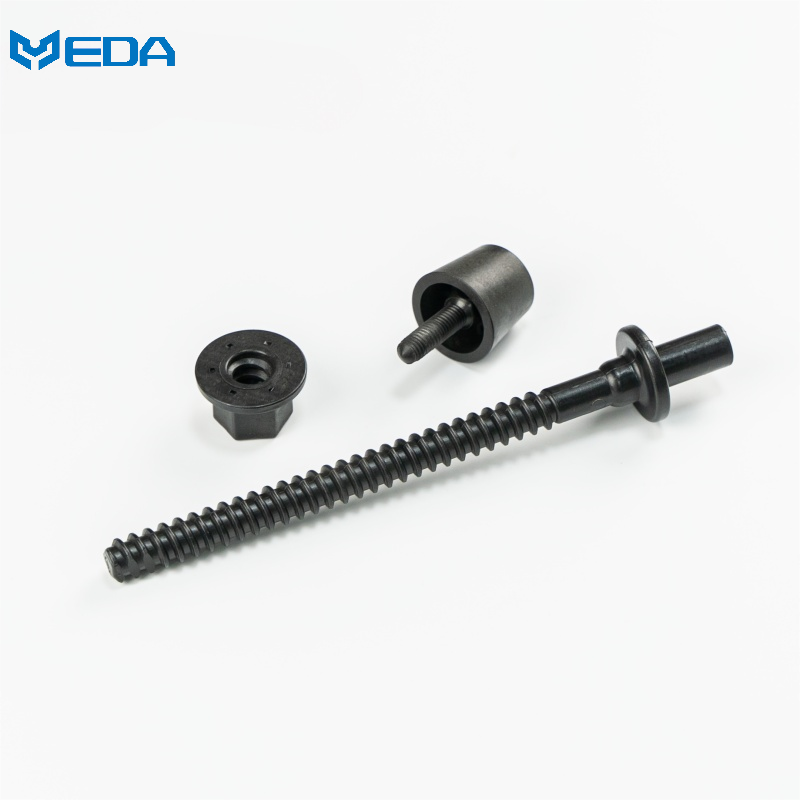
Leveraging This Versatile Material System, Our Plastic Injection Parts Offer Distinct Advantages:
1. Flexible material selection, precisely matched to operating conditions.
Our plastic injection molded products are made from a wide selection of raw materials such as ABS, PP, PA, and POM, all presenting different performance features. We tolerate modifying products for qualities such as flame retardancy (UL94 levels), temperature tolerance (-40°C - 120°C ranges), UV resistance, and food-grade compatibility (FDA approved), in addition to being environmentally friendly following RoHS and REACH standards. Our design is based on specific working environment conditions, which can be indoor use of high-precision instruments to outdoor weather-resistant components.
2. High-efficiency integrated molding with precise, reliable dimensions.
We manufacture our plastic injection molded parts by a single-step technique of melting at high temperature and then injecting the molten plastic under high pressure. As a result, the process requires little or no secondary operations, which is one of the reasons these parts are highly suitable for mass production and incur low per-unit costs. Since the parts are shaped by molds, it is possible to control the dimensions tightly and ensure consistent batch-to-batch production without much deviation. Moreover, the surface finishing of the parts can be as smooth as Ra 0.8μm or as rough as 3.2μm, thus enabling different types of finishing including matte, glossy, frosted, spray-painted, and screen-printed.
3. Design flexibility and high functional integration.
Injection molding can very well produce complex and irregular shapes- like internal snap-fits, threaded holes, and positioning bases- that are very difficult or even impossible to achieve by metal machining.
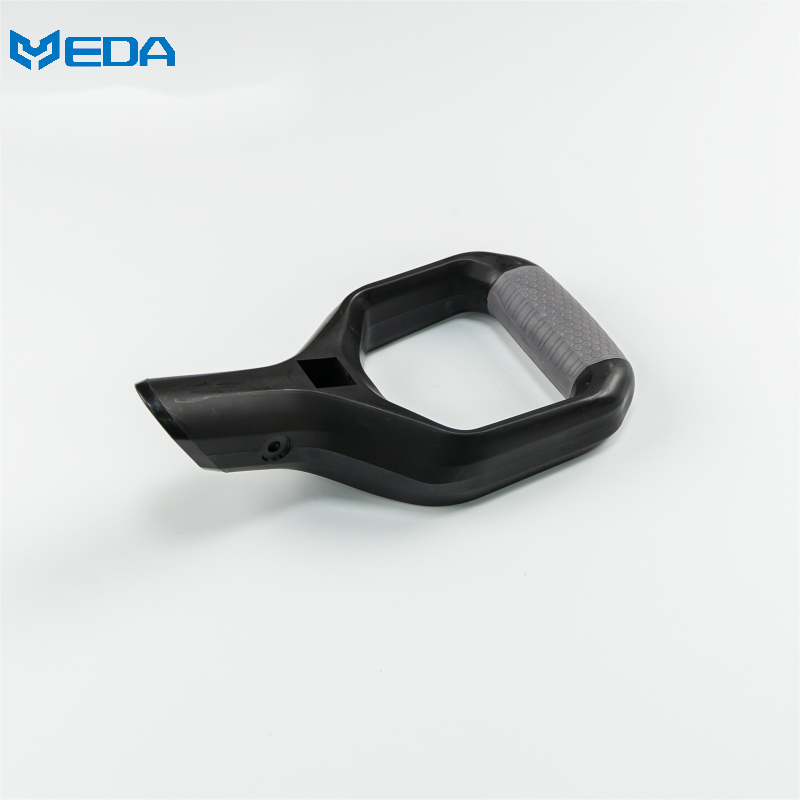
We also do insert molding (e.g. embedding brass nuts for screw fastening), two-shot molding, and overmolding. These methods can be used to integrally mold the rigid structural frame along with soft-touch grips, thus saving assembly steps and improving component reliability and assembly efficiency.
4. Comprehensive support services and modular delivery.
We create molds from customer drawings or samples. This means we can change the shapes, holes patterns and snap-fit structures. We can even change the material grades, colors and hardness levels. Besides individual parts, we also make integrated assemblies like "plastic housing plus sealing ring" by including rubber seals into the assembly.
Applications for Plastic Injection Molded Parts:
We design injection-molded components that serve a large number of industries including home appliances, pneumatic and hydraulic devices, automotive parts, industrial measuring instruments, security lighting, smart home devices, automated machinery, medical device components, telecommunications electronics, and plumbing and sanitary equipment.
About Yida Rubber.
Dalian Yida Rubber started its operations in 2006, however, its founding members have extensive manufacturing experience spanning over 30 years. With ongoing growth, the enterprise has increased its number of employees to over 450 and reached an annual production capacity of 2 billion pieces. At present, the main office covers an area of 37,000 sq.m.; besides, the company has set up a production factory in Vietnam and a sales branch in Japan.
International Certifications.
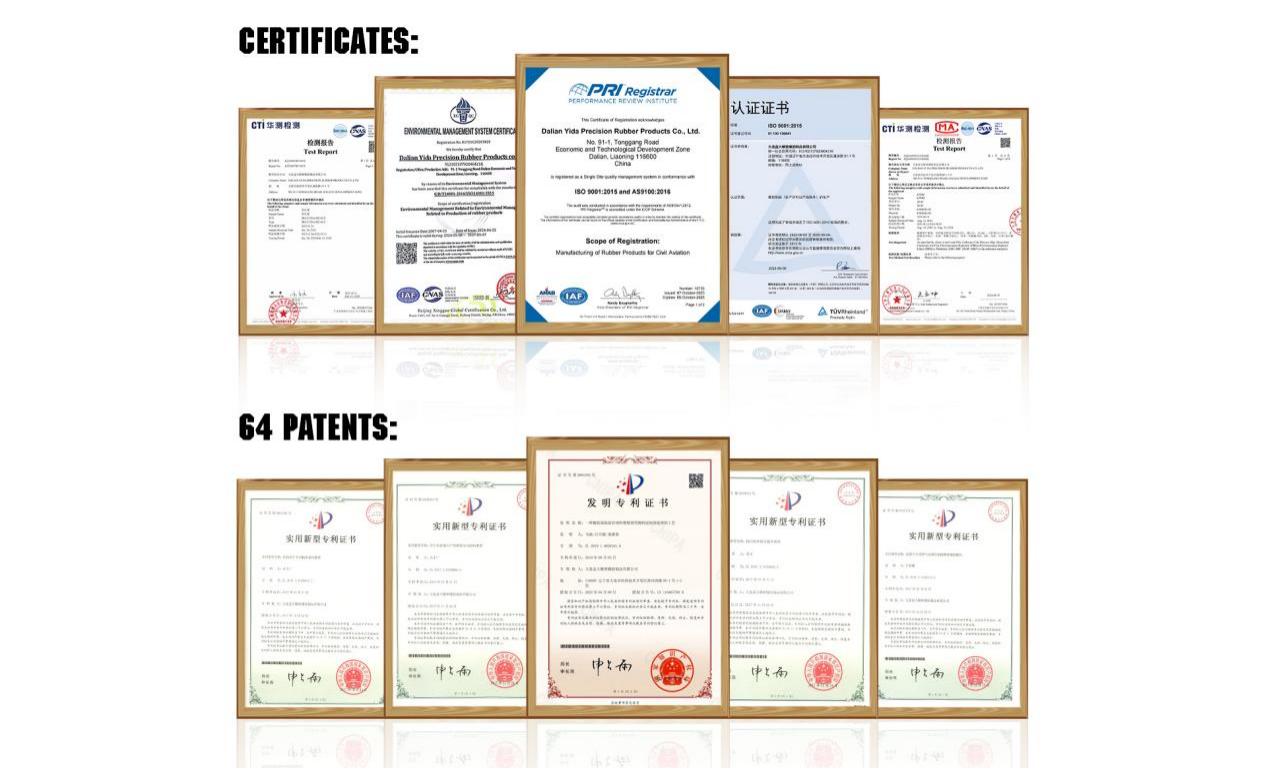
Our company is certified under ISO9001, ISO14001, and IATF16949 standards and has a CNAS-accredited laboratory. We apply comprehensive quality control measures to guarantee the consistency and stability of our products.
Partnerships:
By a deep and long-term dedication to intelligent manufacturing and the implementation of environmentally friendly processes, we have forged long-lasting relationships with firms like Omron, Minebea, Eppendorf, and Alpine. Our goods are shipped to various markets in Southeast Asia and Europe. In 2023, we received the "SMC Excellent Supplier of the Year" award."
Exhibitions:
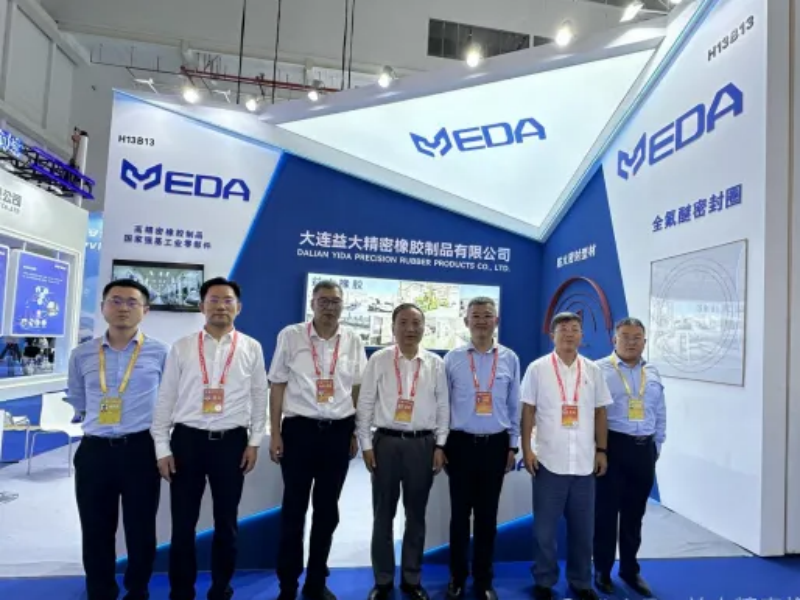
We joined the 14th Shanghai International Long-Duration Energy Storage Technology Conference & Exhibition. More than 37,525 visitors attended the event, including 2,633 overseas industry professionals from 72 countries. This exhibition was a good opportunity for us to expand our market presence in Germany, Europe, and Japan.
Service Guarantee:
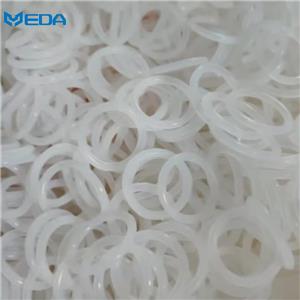
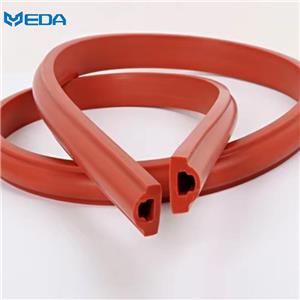
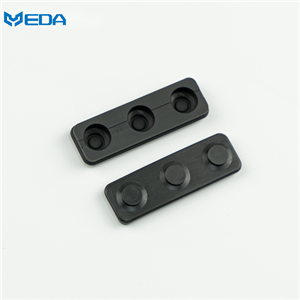
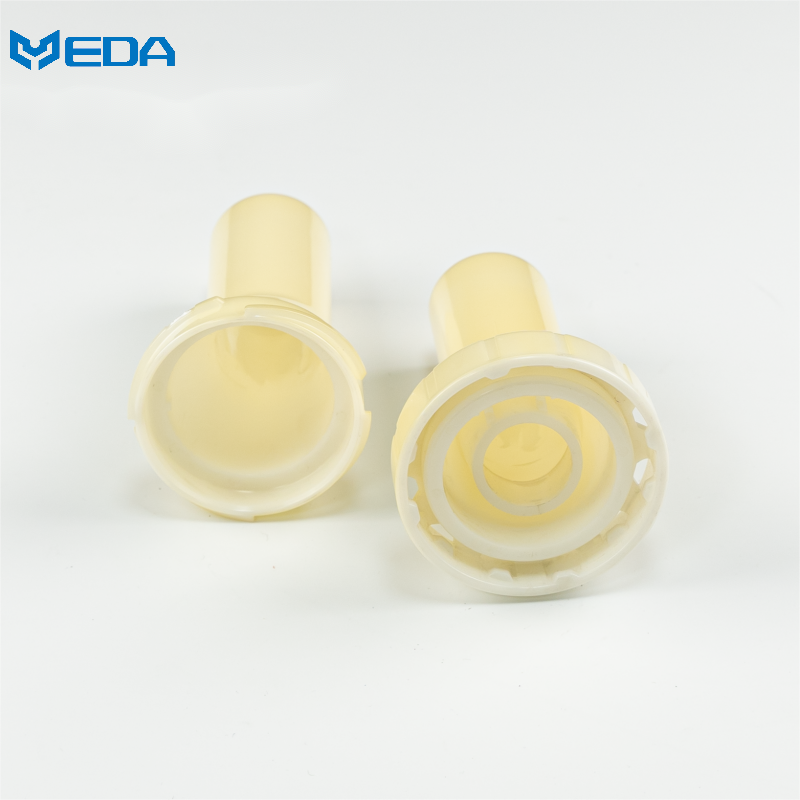
Normal sized seals such as those displayed are shipped in 15 days after confirmation of the order. Need more time for a custom order? Please get in touch with us. Minimum Order Quantity (MOQ) is 1,000 units on all items. Packaging is first resealable bags then outer cartons. We ship by land, sea, air, and multimodal transport.
FAQ:
1. Do you offer one-stop services for insert molding or overmolding?
Yes. We possess capabilities for insert molding, two-color molding, and overmolding.
2. How do you address surface defects such as flash or sink marks on plastic injection molded parts?
At the production stage, lower the defects through gate location and parameter changes with the help of mold flow analysis, coupled with fine mold venting designs. Then, after making the products, we use the fully automatic de-flashing machine and also work according to the rigorous inspection procedures (both 100% inspection and random sampling).